The short version
- Paul Thomas Anderson directed a concert film featuring Cameron Winter performing solo at Carnegie Hall in December.
- The movie avoids interviews or narrative exposition, relying instead on multiple camera angles to capture the raw acoustic set.
- A companion live album produced by Ariel Rechtshaid is scheduled for release alongside the theatrical debut.
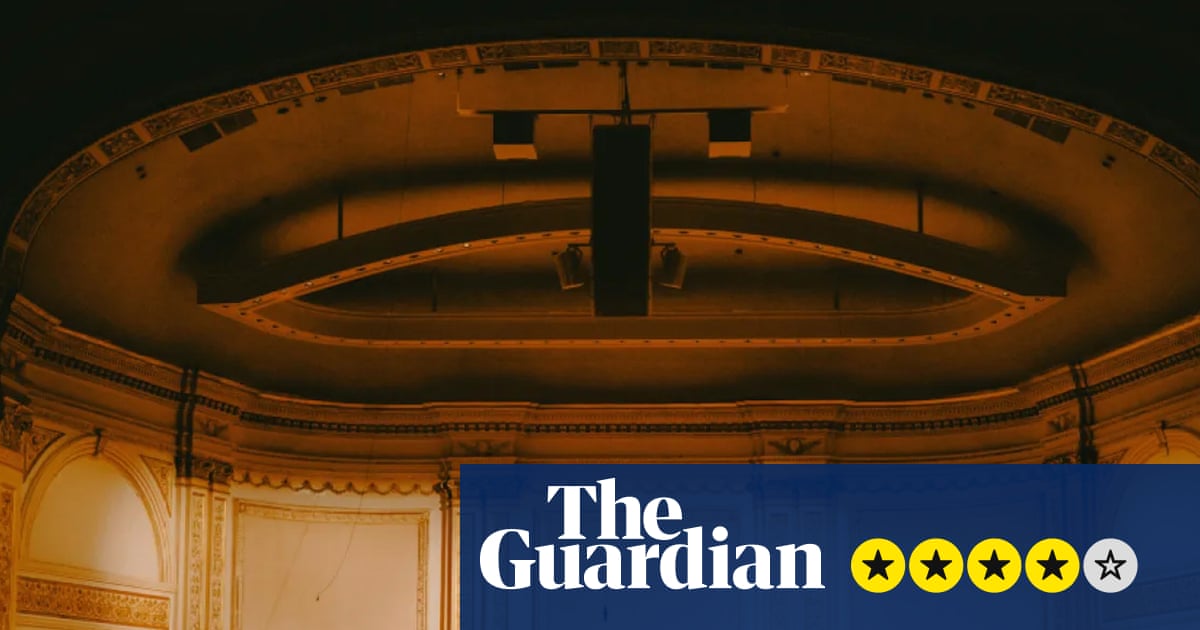
Paul Thomas Anderson has released a new concert film that documents a solo acoustic performance by Cameron Winter at Carnegie Hall. The project premiered during the New York Film Festival and offers an unadorned look at the musician’s stage presence. Unlike traditional music documentaries, this work eschews interviews, behind-the-scenes footage, or narrative voiceovers. Instead, it focuses exclusively on the performance itself, aiming to preserve the atmosphere of the live event without editorial interference.
The recording took place in December during a series of shows that marked the end of a significant year for Winter. The 23-year-old artist, known as the frontman for The Geese, had recently gained attention for his debut solo album, Heavy Metal. His voice and musical style attracted audiences seeking an intense, intimate listening experience. The film captures one specific night when Winter performed alone with a piano, drawing a crowd that remained engaged throughout the set.
Anderson employed a multi-camera setup to record the event, working alongside other operators including Benny Safdie. The footage was shot on 35mm film, resulting in a visual texture that emphasizes light and shadow within the cavernous venue. The camera work varies from wide shots of the theater to extreme close-ups of Winter’s face and hands on the piano keys. This approach allows viewers to observe subtle shifts in expression and technique that might be missed from a distance.
The editing style is minimal, with only brief exterior shots and ticket scanning sequences breaking the flow of the performance. There are no cuts away from the stage for commentary or context. The film runs approximately 75 minutes and covers twelve songs. This structure mirrors the live experience, requiring the audience to sustain attention without distraction. The absence of conventional documentary devices places the burden of engagement entirely on the music and the performer’s delivery.
Winter’s performance is characterized by a stark contrast between intensity and restraint. He delivers lyrics with a baritone vibrato that reviewers have described as mesmerizing. The set includes songs with abstract and evocative imagery, ranging from surreal metaphors to direct statements. One notable moment involves Winter raising the lights during a song, allowing the audience to see each other’s reactions. While this interactive element is less prominent in the film version, the recording still conveys the quiet reverence of the crowd.
The production team included Ariel Rechtshaid, who handled music production for the project. Rechtaid has previously worked with major artists such as Vampire Weekend and Adele. His involvement suggests a high standard for audio fidelity, ensuring that the nuances of Winter’s voice and piano playing are captured clearly. A live album derived from this performance is expected to be released soon, offering an additional way to experience the concert.
The film presents Winter as both youthful and timeless. Visual cues such as lighting angles and camera proximity create a sense of ambiguity regarding his age and persona. At times he appears young and vulnerable; at other moments, he projects an older, more seasoned authority. This duality enhances the emotional impact of the performance, allowing viewers to connect with the music on multiple levels. The lack of explanatory context forces the audience to interpret these shifts independently.
Critics have noted that the film serves primarily as a document for existing fans or those predisposed to Winter’s style. There are no hooks designed to attract casual viewers unfamiliar with his work. However, for those who appreciate minimalist aesthetics and raw musical expression, the film offers a compelling record of a singular performance. It stands as a testament to the power of live music when captured with precision and restraint.
The theatrical release in the United States is scheduled for November 20. International releases in the UK and Australia are planned for 2027. The film’s limited scope and focused approach distinguish it from broader concert documentaries that rely on narrative arcs or celebrity profiles. By stripping away extraneous elements, Anderson highlights the essential qualities of Winter’s artistry and the communal experience of live performance.
This project marks Anderson’s second venture into concert filmmaking. His previous work in this genre established a reputation for capturing the energy and authenticity of live music. The Cameron Winter film continues this tradition, emphasizing visual beauty and auditory clarity. It reflects a growing interest in preserving live performances as artistic artifacts rather than mere promotional tools. The result is a work that feels both immediate and enduring.
Sources behind this briefing
Go to the original reporting
- The Guardian US↗Cameron Winter at Carnegie Hall review – Paul Thomas Anderson’s sumptuous recording is an immediate classic