The short version
- Captain Smit Machchhar unlocked the cockpit door during the attack, allowing passengers to intervene before the plane entered a steep dive.
- Two off-duty pilots aboard the flight took control of the aircraft and guided it to a safe landing in Tabuk, Saudi Arabia.
- Authorities are investigating whether the attacker, an Omani national, was motivated by terrorism or suicide, with conflicting reports on his final words.
A Flydubai flight from Dubai to Tel Aviv narrowly avoided disaster on Wednesday after a co-pilot attacked the captain in the cockpit, triggering a violent struggle and a steep dive that dropped the aircraft more than 16,000 feet. The incident, which unfolded aboard Boeing 737 flight FZ 1073, ended with the plane landing safely in Tabuk, Saudi Arabia, thanks to the intervention of passengers and two off-duty pilots who were traveling on board.
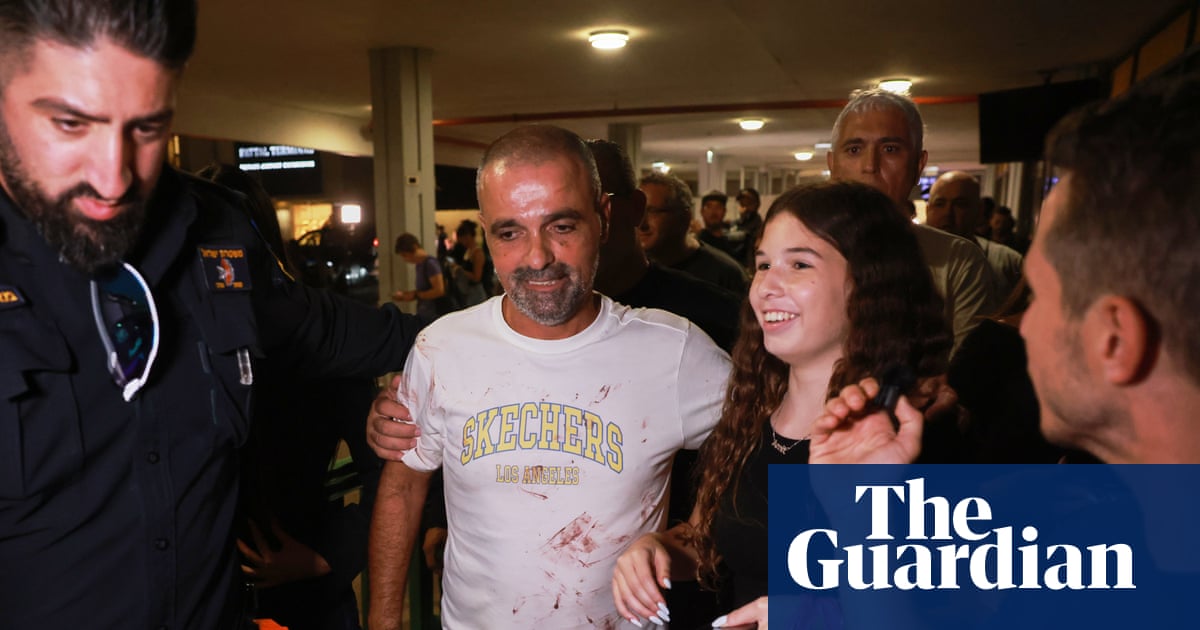
The crisis began around 9:30 a.m. local time when Tali Manes, an Israeli bank executive, heard heavy blows against the cockpit door while taking her daughter to the lavatory. She alerted a flight attendant, who initially did not react, before shouting that something was wrong inside. Seconds later, the attendant opened the door to reveal a scene of chaos: blood spattered across the walls and a brutal struggle between the captain and the co-pilot, who was wielding a sharp weapon. No one was at the controls.
Captain Smit Machchhar, an Indian national, had been stabbed multiple times but managed to send an emergency signal to air traffic control before his strength failed. In a video call with Indian Prime Minister Narendra Modi, Machchhar described lying on the floor, injured and falling, when he realized that if he did not act, the passengers would die. He made one final push to unlock the cockpit security door from the inside, allowing others to enter.
Once the door was open, a small group of passengers rushed in and overpowered the attacker. Manes helped restrain the co-pilot with a telephone cord while a dentist on board treated Machchhar’s wounds. As the plane entered a steep dive, losing altitude rapidly, most of the 182 passengers screamed or prayed. However, one passenger, identified as a plumber, recalled actions from television documentaries about plane crashes and helped pull the aircraft out of its descent.
With the immediate threat subdued, two off-duty pilots among the non-Israeli passengers took over the controls of the damaged aircraft. They guided the plane for 90 minutes before landing safely at Tabuk Airport in northwestern Saudi Arabia. Machchhar was airlifted to a hospital in Abu Dhabi, where he is reported to be in stable condition and recovering well. Indian officials have praised his courage, with Prime Minister Modi stating that Machchhar’s quick decision-making saved many lives.
The identity of the attacker remains officially unconfirmed, though regional sources indicate he was an Omani national who had joined Flydubai between five and nine months prior to the incident. Israeli Prime Minister Benjamin Netanyahu stated that investigations suggested the attacker had undergone Islamist radical indoctrination. Netanyahu also claimed that after being subdued, the co-pilot called out to aircrew members to kill him, suggesting a suicidal motive.
However, experts remain skeptical that suicide was the sole motivation, noting that the key question is the means of radicalization. The United Arab Emirates has launched an investigation to determine whether the incident was linked to terrorist activity or purpose. While some officials view the event as a clear act of terrorism aimed at bringing down the plane or entering Israel, others emphasize the complexity of the attacker’s intentions.
The incident has sparked renewed debate over aviation security and cockpit protocols. Machchhar’s actions in unlocking the door, despite his severe injuries, were critical to the outcome. He told Modi that he viewed his recovery as a journey rather than just healing from wounds, expressing confidence that he would regain full health. The successful landing stands as a testament to the quick thinking of both the crew and the passengers who acted under extreme pressure.
As investigations continue, questions remain regarding how the attacker obtained access to a weapon and entered the cockpit. The UAE government, which owns Flydubai, is reviewing security measures in light of the breach. For now, the focus remains on the recovery of Captain Machchhar and the well-being of the passengers who endured the terrifying ordeal.
The event underscores the unpredictable nature of aviation threats and the importance of passenger awareness. While details about the attacker’s background and specific motives are still emerging, the coordinated response by those on board prevented a catastrophic loss of life. Authorities have not yet released a definitive timeline of the attack or confirmed all aspects of the witness testimonies.
Sources behind this briefing
Go to the original reporting
- The Guardian World↗Suicide by plane or terrorism? Speculation over motive in flight 1073 attack
- BBC World↗'I was not going to let others die' - pilot of Flydubai flight describes cockpit attack by co-pilot
- WSJ↗The Cockpit Stabbing and Terrifying Nosedive That Brought Chaos to FlyDubai Flight 1073