The short version
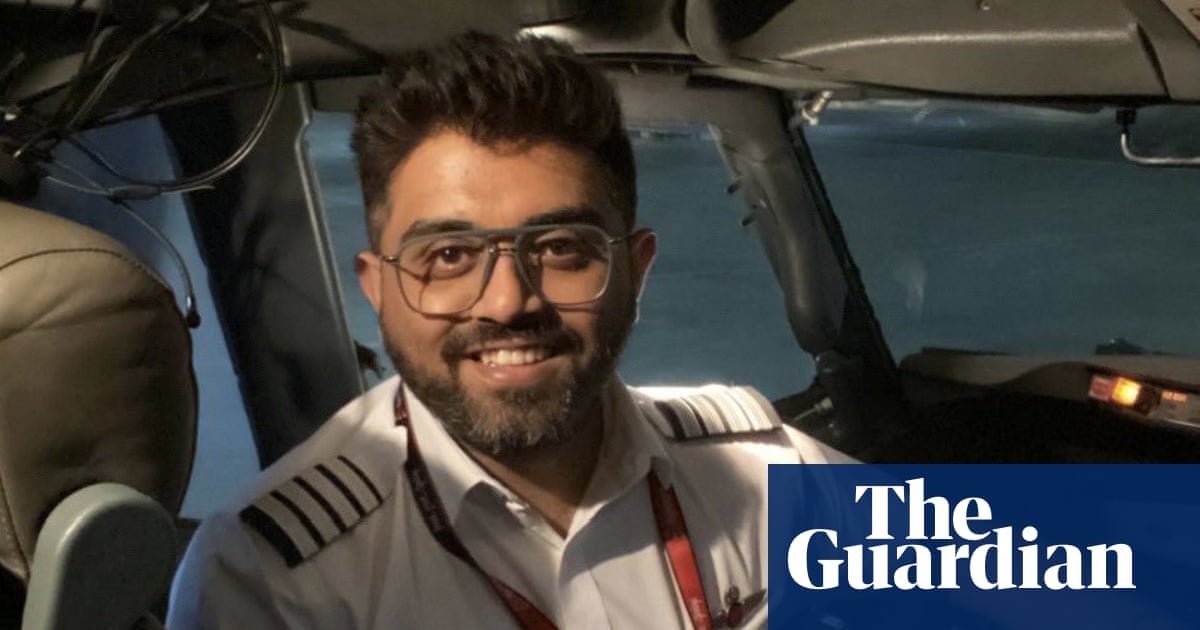
- Captain Smit Machchhar opened the cockpit door while bleeding from stab wounds, enabling passengers to intervene.
- Off-duty pilots stabilized the jet after it lost nearly 14,000 feet and sustained significant structural damage.
- The attacker remains in custody while the injured captain recovers in a Saudi Arabian hospital.
A commercial flight traveling from Dubai to Tel Aviv avoided catastrophe on Wednesday after a violent struggle in the cockpit resulted in the captain being stabbed by his co-pilot. The incident, which involved an apparent attempt to crash the aircraft, ended with a safe emergency landing in Tabuk, Saudi Arabia. All 174 passengers and crew members survived the ordeal, thanks to the rapid intervention of travelers who entered the flight deck to subdue the attacker and assist with flying the plane.
Smit Machchhar, an Indian citizen based in Mumbai, was the captain on duty when the attack occurred. According to Israeli officials who provided details of the event, his fellow pilot, reportedly an Omani national, stabbed him during a struggle. The assault caused the jet to enter a steep dive, losing approximately 14,000 feet in altitude within thirty seconds. Despite sustaining severe injuries that left him covered in blood, Machchhar managed to unlock the cockpit door from the floor of the flight deck. This critical action allowed passengers and crew members to enter the restricted area and confront the assailant.
Among those who rushed into the cockpit was Yaniv Hayoun, a plumber traveling as a passenger. He described the chaotic scene inside the flight deck, noting that Machchhar’s condition made it difficult for him to assist immediately. Hayoun recalled jumping back to grab the control yoke, pulling up on the handles in an effort to arrest the descent. His actions were inspired by scenes he had previously watched on television. Other crew members soon took over the controls, working to stabilize the aircraft as it continued its emergency trajectory toward Saudi airspace.
Dr. Shota Musaev, a dentist on board, also entered the cockpit to provide immediate medical attention to Machchhar. He described finding the attacker on top of the captain, continuing to stab him. Musaev noted that Machchhar had suffered deep cuts to his head and hands, with some fingers nearly severed. The pilot had lost significant blood and was in critical condition, with plummeting blood pressure and moments of unconsciousness. Musaev helped restrain the attacker using headphone cords and plastic zip ties while attempting to keep Machchhar alive until professional medical help could be reached.
The stabilization of the aircraft involved additional assistance from off-duty pilots who were traveling as passengers. One passenger identified these individuals as European, including a British national, though other reports suggested they may have been from South Africa or New Zealand. These relief pilots, who were scheduled to fly the next leg of the journey, entered the cockpit and helped pull the aircraft out of its dive. They worked alongside the cabin crew to level the plane and guide it to a safe landing in north-western Saudi Arabia.
Aviation experts have expressed astonishment that the aircraft remained intact following such an extreme maneuver. The rapid descent subjected the tail section to immense aerodynamic forces, resulting in most of the rudder being ripped off. Former United Airlines pilot Steve Arroyo noted that the structural integrity of the plane was remarkable given the severity of the dive. Another expert, Guzzetti, emphasized that the altitude remaining at the time of intervention was crucial; had the plane fallen below 10,000 feet, recovery might have been impossible.
Political leaders from India and Israel have praised the actions of those involved in averting disaster. Indian Prime Minister Narendra Modi described Machchhar as a hero who showed immense courage despite serious injury. Israeli Prime Minister Benjamin Netanyahu highlighted Machchhar’s ability to fight back and open the cockpit door, which enabled passengers to overpower the attacker. The incident has drawn attention to the effectiveness of cockpit security protocols and the role of passenger intervention in modern aviation emergencies.
Machchhar underwent surgery in Saudi Arabia and is currently listed in stable condition. Indian officials have been in contact with his family, who reside in Dubai. The attacker remains in custody as authorities investigate the motive behind the assault. While details regarding the co-pilot’s intent are still emerging, Israeli officials stated that the actions appeared aimed at crashing the flight. The successful resolution of the incident underscores the importance of rapid response and cooperation among passengers and crew during in-flight emergencies.
The event has sparked discussion about pilot training and cockpit access procedures. Philip Kean, chief executive of Mainland Air in New Zealand, where Machchhar trained years ago, commended the captain’s leadership under extreme duress. The incident serves as a stark reminder of the potential for violence in aviation and the resilience required to manage such crises. As investigations continue, the focus remains on supporting the victims and understanding the factors that led to this unprecedented breach of cockpit security.
Sources behind this briefing
Go to the original reporting
- The Guardian US↗A ‘hero’ pilot, plumber and dentist among those who saved flydubai flight to Israel