The short version
- Co-owners of the Tour Montparnasse voted to halt renovation plans after costs more than doubled to €800 million, raising concerns about the building's future.
- The structure faces a critical deadline in November when its current renovation permit expires, potentially leaving the empty tower deserted and unsafe.
- Local officials and some investors are seeking alternative solutions, ranging from scaled-down projects to complete demolition, while separate work on the surrounding area continues.
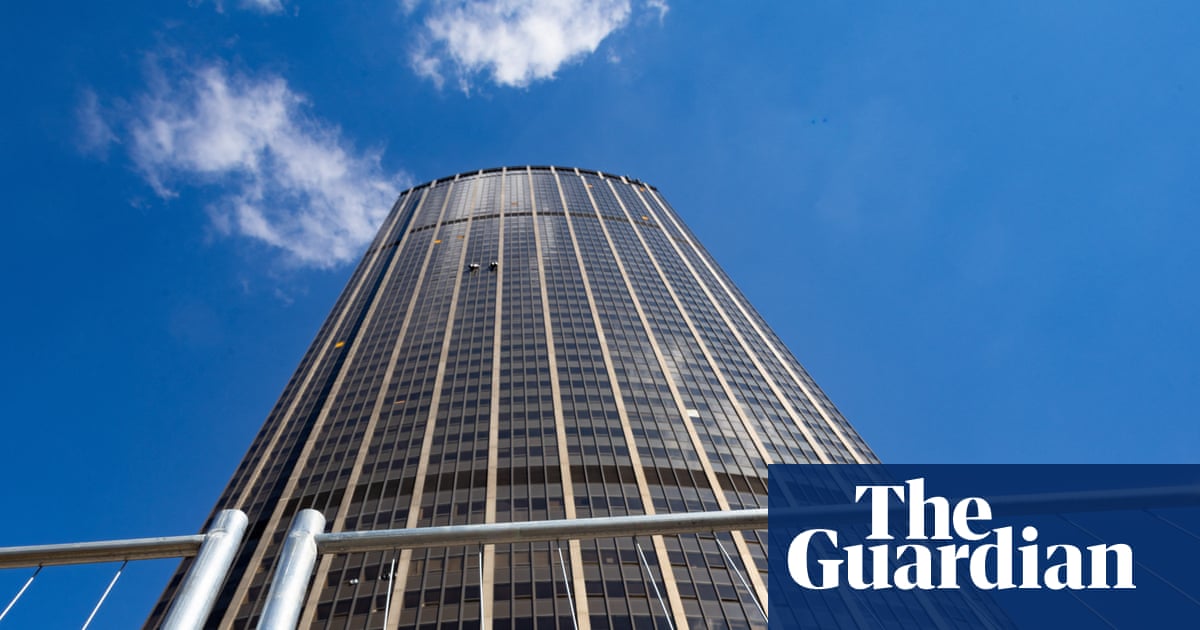
The long-debated modernization of Paris’s tallest skyscraper has come to an abrupt halt following a decisive vote by its private co-owners. The Tour Montparnasse, a structure frequently criticized for its stark appearance against the historic cityscape, will not proceed with its planned overhaul after more than three-quarters of owners rejected the proposal. This rejection stems from intense disagreements regarding both the scope of the work and the soaring financial requirements, leaving the future of the 210-meter tower uncertain.
For over a decade, architects and developers have worked to transform the building, which opened in 1973 and has often been labeled as an eyesore. The original vision involved a comprehensive refit that would replace the dark facade with glass, introduce extensive vegetation, and create new leisure spaces including a hotel and office areas. A garden terrace on the sixteenth floor and an agricultural greenhouse at the summit were key features designed to soften the building’s imposing presence and integrate it more harmoniously into the neighborhood.
However, the financial reality of the project shifted dramatically as estimates for the renovation more than doubled, reaching approximately €800 million. This significant increase was driven largely by the need to remove asbestos and strip interiors before any cosmetic or structural changes could begin. The final vote this week was intended to launch the first phase of work, which included partial facade removal and interior clearing. Instead, the high costs proved too steep for the majority of investors, who include French insurance companies and investment funds.
The timing of this decision creates immediate logistical challenges. The building permit granted for the renovation is set to expire at the end of November, marking the last opportunity to commence work under current regulations. With the tower already emptied and closed to the public, there are growing fears that it will remain a deserted monolith in the heart of the city. Safety concerns have also emerged; earlier this summer, fire officials had to intervene after glass fragments fell from the structure onto the street below, though no injuries were reported.
Local political leaders have expressed frustration with the outcome. Philippe Goujon, the mayor of the fifteenth district where the tower is located, urged stakeholders to reconsider, stating that he could not accept the abandonment of a project developed over ten years. He emphasized the risk of neglect for what remains a recognizable, if controversial, landmark. Meanwhile, four co-owners who supported the renovation, including billionaire Xavier Niel, issued a joint statement calling for urgent meetings with financial partners and public authorities to explore viable alternatives.
Despite the stalemate regarding the tower itself, other aspects of the broader Montparnasse redevelopment are moving forward. Renowned architect Renzo Piano has been commissioned to overhaul the shopping center beneath the skyscraper and adjacent buildings. His plans focus on creating greener, planted spaces and improving pedestrian access, shifting away from the gray concrete aesthetic that characterizes much of the area. Local officials are keen to ensure these surrounding improvements proceed without delay, even if the tower’s fate remains unresolved.
The Socialist mayor of Paris, Emmanuel Grégoire, has indicated a desire for an alternative solution to prevent the site from remaining at a standstill. His administration is looking for ways to keep momentum on the project without forcing through the rejected high-cost plan. Some co-owners have suggested that a scaled-down version of the renovation might be more palatable to investors, potentially reducing expenses while still addressing safety and aesthetic concerns.
Opposition voices within the city council have taken a more radical stance, suggesting that the tower is obsolete and should be demolished entirely. They argue that replacing the structure with a park would provide a cooling effect during summer heatwaves, addressing climate resilience issues in the urban environment. This debate highlights the broader tension between preserving existing infrastructure and reimagining urban spaces for modern needs.
As November approaches, the pressure mounts on all parties to find a consensus. The Tour Montparnasse stands as a symbol of Paris’s struggle to reconcile its historic identity with contemporary development pressures. Whether through a revised renovation plan, partial demolition, or complete removal, the resolution will significantly impact the skyline and the economic landscape of the district. For now, the building remains closed, awaiting a decision that could define its legacy for decades to come.
The situation underscores the complexities of large-scale urban renewal projects in historic cities. Balancing financial viability, safety regulations, and public sentiment requires careful negotiation among diverse stakeholders. The failure to agree on the current proposal does not necessarily mean the end of development in the area, but it does signal a need for reevaluation. How Paris chooses to address this architectural controversy will likely influence future urban planning decisions across the city.
Sources behind this briefing
Go to the original reporting
- The Guardian US↗Tour Montparnasse renovation halted amid disagreements between owners

