The short version
- Paramount Skydance issued a rare public statement criticizing Mark Ruffalo for using terms like genocide in relation to its merger with Warner Bros Discovery.
- Ruffalo argued that his criticism targets the financial backing of Larry Ellison and Oracle’s role in supplying technology to Israeli military entities, not Jewish people.
- The $111 billion deal remains under legal scrutiny from a coalition of states challenging it on antitrust grounds despite prior Department of Justice approval.
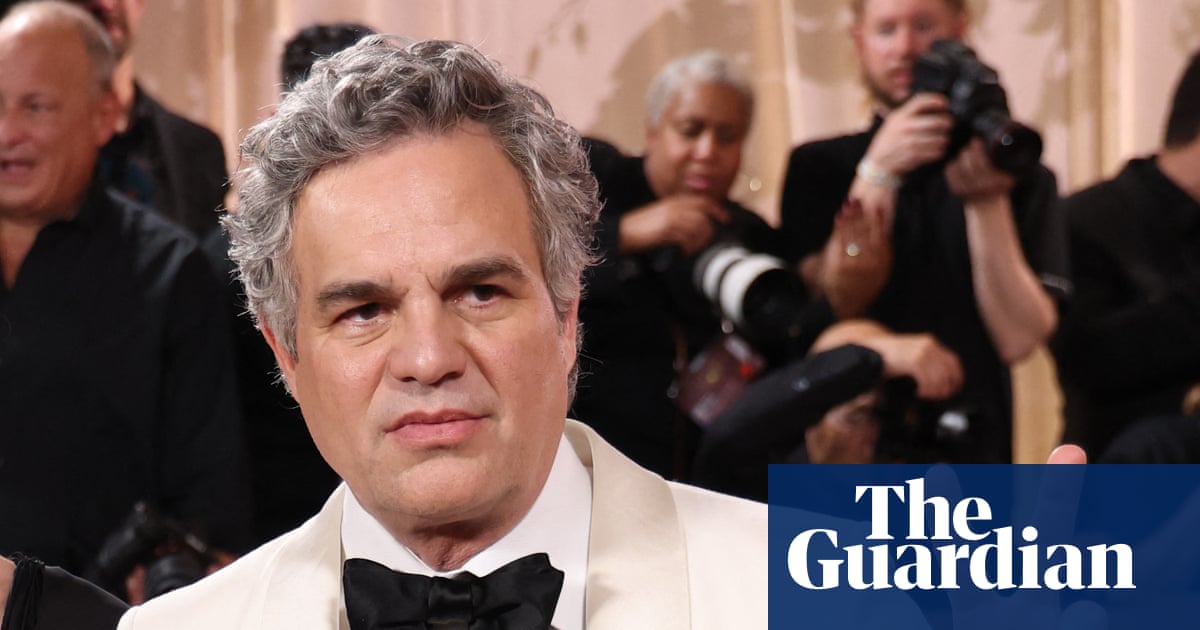
A public dispute has erupted between actor Mark Ruffalo and Paramount Skydance regarding the media company’s ongoing merger with Warner Bros Discovery. The conflict centers on Ruffalo’s social media posts criticizing the financial structure of the deal, which Paramount characterized as invoking antisemitic tropes. This exchange highlights the intersection of corporate consolidation in Hollywood and broader geopolitical tensions surrounding the war in Gaza.
Paramount issued a statement expressing concern that terms such as genocide and apartheid were applied to a business transaction. The company argued that such language cheapens the suffering associated with those historical concepts and does not deserve a reciprocal response. Paramount emphasized its zero-tolerance policy for prejudice against any group, framing Ruffalo’s comments as crossing a line from legitimate business critique into harmful rhetoric.
Ruffalo responded by clarifying that his objections are rooted in political convictions regarding corporate power and military technology rather than hostility toward Jewish people. He stated that his views have been shaped by Jewish friends and colleagues, asserting that criticizing Israeli government actions or specific executives is distinct from antisemitism. The actor maintained that framing necessary dialogue about these issues as anti-Israel is dishonest.
At the heart of Ruffalo’s criticism is the role of Oracle CEO Larry Ellison in financing the merger. Ellison agreed to personally backstop more than $40 billion in equity financing for the deal, which values the combined entity at approximately $111 billion. Ruffalo highlighted the connection between Ellison and his son David, who leads Paramount Skydance, suggesting that Oracle’s resources are being used to fund the acquisition of Warner Bros assets.
Ruffalo pointed to Oracle’s long-standing contracts with Israeli government and military entities, including the defense ministry and police forces. He shared video content featuring Oracle executive vice-chair Safra Catz discussing technology provided to Israel following the October 2023 attacks by Hamas. Ruffalo argued that this technology could eventually be integrated into one of the world’s largest media conglomerates, raising concerns about surveillance and editorial independence.
The merger itself represents a significant shift in the media landscape, combining two of the last five legacy Hollywood studios. The deal would place major networks and streaming services, including CNN, HBO, CBS, and Paramount+, under single corporate control. Ruffalo warned that this consolidation could lead to job losses, reduced competition, and diminished editorial freedom, particularly given the involvement of foreign capital whose influence on content decisions remains unclear to the public.
Regulatory hurdles continue to complicate the transaction. Although the U.S. Department of Justice approved the merger in June, it is currently paused while a federal judge reviews a lawsuit filed by a coalition of twelve states. These states have challenged the deal on antitrust grounds, arguing that the consolidation would harm market competition. The legal uncertainty adds financial pressure to Paramount Skydance, which faces daily fees if the deal does not close by late September.
Reactions to the dispute have been mixed within advocacy groups. The Simon Wiesenthal Center praised Paramount for refusing to allow what it described as prejudice to masquerade as political or corporate criticism. Meanwhile, Ruffalo remains aligned with thousands of industry workers who have pledged not to work with institutions they believe are complicit in human rights violations against Palestinians. The standoff underscores the difficulty of separating business disputes from deeply held moral and political convictions.
As the legal proceedings continue, the financial stakes for Paramount Skydance remain high. Failure to close the merger by the deadline could result in millions of dollars in daily fees paid to Warner Bros shareholders. The situation illustrates the complex web of interests involved in modern media mergers, where corporate strategy, regulatory oversight, and public sentiment intersect. Industry observers are watching closely to see how this conflict influences future negotiations and public perception of the deal.
The dispute also reflects broader tensions within the entertainment industry regarding the role of celebrities in political discourse. Ruffalo’s activism has long included criticism of Israeli military conduct and advocacy for Palestinian rights. His decision to link these issues to a corporate merger demonstrates how personal convictions can impact high-stakes business transactions. Whether this approach will sway public opinion or regulatory outcomes remains uncertain as the case moves forward.
Sources behind this briefing
Go to the original reporting
- The Guardian US↗Mark Ruffalo fires back at Paramount Skydance after it accuses him of using ‘antisemitic tropes’

