The short version
- Rapid Support Forces drones targeted five power stations across Al-Jazira, Gedaref, and White Nile states, causing extensive outages in regions held by the Sudanese army.
- The strikes jeopardize critical services for millions already facing severe hunger, with residents reporting risks to insulin storage and perishable goods due to prolonged electricity loss.
- This infrastructure assault occurs during a period of intense aerial warfare that has killed hundreds recently, compounding economic instability and hindering post-conflict agricultural rehabilitation.
A coordinated series of drone attacks by the Rapid Support Forces has severely disrupted electricity supplies across eastern Sudan, targeting five power stations in three states currently controlled by the national army. Government officials confirmed that the strikes hit two facilities each in Al-Jazira and Gedaref states, along with one station in White Nile state. The result was immediate and widespread blackouts affecting large portions of these regions, which have been focal points of the ongoing conflict between the RSF and the Sudanese Armed Forces since April 2023.
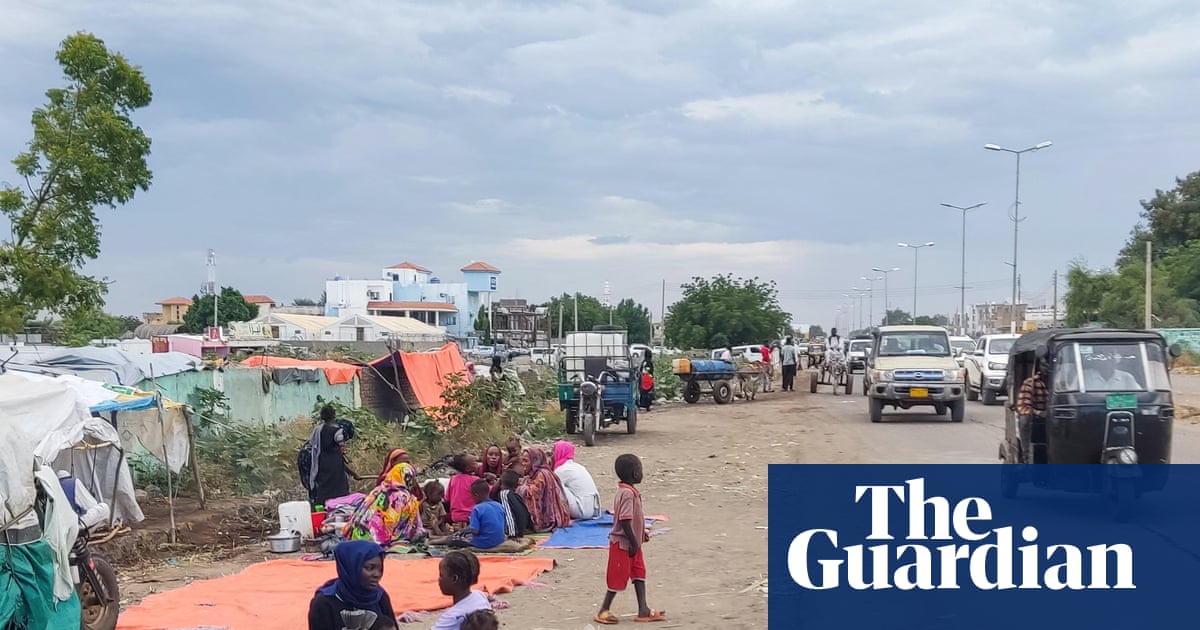
The destruction of energy infrastructure poses an immediate threat to public health and daily survival for millions of residents. The United Nations has previously cautioned that repeated assaults on power generation capabilities endanger essential services for populations already grappling with what is described as the world’s largest hunger crisis. With hospitals largely closed and basic services inaccessible in many areas, the loss of electricity exacerbates existing vulnerabilities, particularly for those requiring refrigerated medical treatments or stable living conditions.
Residents in affected areas describe the personal toll of these outages with urgency. In Gedaref, a father expressed fear that his diabetic son’s insulin would spoil without power to keep it cold, noting uncertainty about when electricity might return and whether replacement medication could be secured. Similarly, local merchants face financial ruin as perishable goods, such as poultry stored in fridges, risk spoiling or must be sold at significant losses to avoid total waste. These individual struggles highlight the broader collapse of economic stability in regions where power cuts have become a regular feature of life.
The timing of these strikes undermines recent efforts to restore normalcy and productivity in areas recaptured by government forces. Farmers in Al-Jazira, who had begun to see improvements in electricity supply after months of disruption, reported that a recently repaired power station was destroyed. This setback halts hopes for restarting irrigation pumps and returning to agricultural work, which has been impossible for nearly four years due to the conflict. The destruction represents not just an immediate inconvenience but a strategic blow to livelihoods that were beginning to recover.
The broader context of the war in Sudan is defined by intense aerial combat, with both sides employing sophisticated drone technology to strike targets across the country. Recent data indicates a sharp escalation in lethality; during the first three weeks of October alone, drone strikes resulted in more than 300 deaths and hundreds of injuries, according to United Nations tallies. This pattern of warfare has transformed the conflict into one where civilian infrastructure is frequently caught in the crossfire, leading to mass casualties and widespread displacement.
The humanitarian impact extends beyond immediate physical danger to long-term societal damage. An estimated 50 million people live in Africa’s third-largest country, yet the war has killed more than 200,000 individuals according to aid worker estimates. The educational system has suffered significantly, with at least eight million children out of school. The combination of violence, infrastructure destruction, and economic collapse has created a complex emergency where basic needs are increasingly unmet.
Economic conditions in Sudan have deteriorated alongside the physical destruction. The country is experiencing unprecedented inflation rates, and its currency has lost more than 25 percent of its value in recent weeks. This financial instability compounds the difficulties faced by households trying to cope with power outages and food insecurity. As prices rise and savings evaporate, the capacity for families to absorb shocks from infrastructure attacks diminishes further.
The strategic implications of targeting power stations suggest a deliberate effort to degrade the operational capacity and morale of army-controlled territories. By crippling energy supplies, the RSF aims to disrupt military logistics and civilian life simultaneously. However, this tactic also deepens the humanitarian catastrophe, forcing millions into greater dependence on aid organizations that are already stretched thin. The international community continues to monitor the situation, warning that attacks on civilian infrastructure violate international norms and prolong suffering.
Looking ahead, the restoration of power in these regions remains uncertain. Without secure energy supplies, medical care, food preservation, and agricultural production will remain severely compromised. The cycle of destruction and repair appears likely to continue as long as hostilities persist, with each strike setting back recovery efforts by months or years. For residents like those in Al-Jazira and Gedaref, the immediate concern is survival, while the long-term outlook depends on a cessation of violence that has yet to materialize.
The situation underscores the critical need for protection of civilian infrastructure in modern conflicts. As drone warfare becomes more prevalent, the vulnerability of power grids and other essential services increases. International pressure may be required to enforce ceasefires or protect designated safe zones, but current diplomatic efforts have not succeeded in halting the violence. Until then, the people of eastern Sudan remain at the mercy of aerial attacks that strip away their basic means of survival.
Sources behind this briefing
Go to the original reporting
- The Guardian World↗Sudan paramilitary drone strikes cause mass power cuts in eastern states