The short version
- President Santiago Peña resigned after the central bank placed Ueno Bank into resolution due to insolvency, freezing assets for three million customers.
- The collapse has sparked widespread protests and an impeachment motion approved by the lower house, potentially removing Peña’s parliamentary immunity and exposing him to criminal charges.
- Vice President Pedro Alliana assumes the presidency while investigators examine allegations that state funds were improperly directed to a lender linked to Peña’s former business interests.
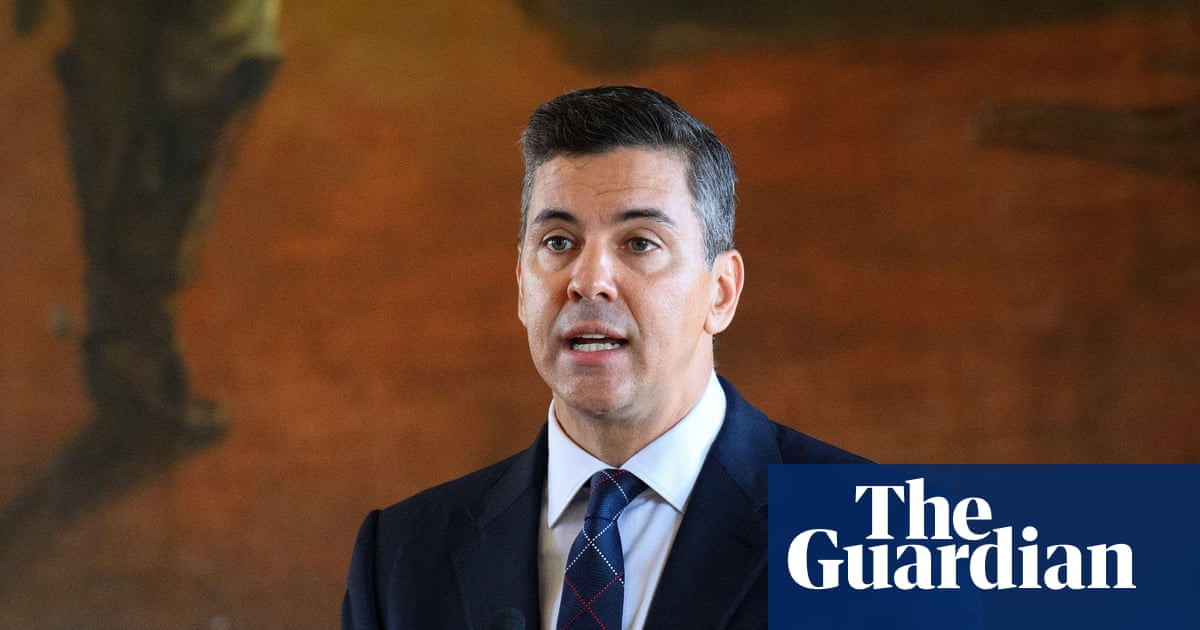
Santiago Peña, the president of Paraguay, submitted his resignation on Thursday, ending his tenure less than three years into a term scheduled to conclude in August 2028. The decision came in the wake of a severe financial and political crisis that has paralyzed the nation’s banking sector. At the heart of the turmoil is Ueno Bank, an institution that transformed from a relatively unknown digital lender into one of the country’s largest financial entities during Peña’s administration. The central bank recently ordered the institution into resolution due to insolvency, a move that immediately froze the deposits of approximately three million customers.
The sudden freeze has created immediate hardship for hundreds of thousands of families who rely on these funds for daily necessities such as food and basic expenses. The scale of the disruption has triggered massive street protests across the country. Bank executives have been arrested in connection with the collapse, adding to the public outrage. The crisis has not only affected individual savers but also compromised significant institutional assets. Ueno Bank managed between $800 million and $850 million in deposits belonging to state entities and pension funds, raising serious concerns about the security of retirement savings for many Paraguayans.
The rapid expansion of Ueno Bank under Peña’s watch has drawn intense scrutiny regarding potential conflicts of interest. The institution began as a finance company in the 1970s before being acquired by Grupo Vázquez, a major industrial conglomerate, in 2021. In late 2023, the central bank authorized its operation as a digital bank. Since then, it aggressively marketed itself with generous cash-back offers on groceries and secured sponsorship deals for the national football team. This growth occurred while Peña held shareholding ties to Ueno Holding until early last year, leading critics to question whether regulatory approvals were influenced by personal financial interests.
Peña has defended his actions, characterizing his previous involvement as a standard economic investment that he fully divested from before assuming the presidency. He dismissed media reports suggesting improper favoritism in directing state and pension funds to the bank as a false campaign designed to undermine his government. However, opposition lawmakers and members of his own Colorado party have argued otherwise. They contend that the president ignored warnings from both the central bank and the press regarding the risky operations of the lender. The convergence of political pressure and financial instability created an untenable situation for the administration.
The political fallout accelerated rapidly on Thursday morning when former President Horacio Cartes, a key ally within the Colorado party, publicly endorsed impeachment proceedings. Cartes stated that supporting the removal of Peña was necessary to restore institutional order and protect public and private funds from what he described as theft. This endorsement signaled a fracture in Peña’s political base and emboldened opposition figures to push for immediate accountability. Lawmakers began debating the impeachment motion even before Peña announced his resignation, highlighting the intensity of the demand for his removal.
In a video address, Peña framed his departure as a sacrifice made to preserve social peace and democratic stability. He expressed regret if he had failed the public and emphasized his desire to ensure the return of frozen funds. Despite his resignation, the legislative process continues. The lower house unanimously approved the impeachment motion shortly after his announcement. This measure now moves to the Senate for final consideration. If approved, the resolution would strip Peña of his Senate seat and parliamentary immunity, leaving him vulnerable to criminal prosecution in ordinary courts.
Opposition Senator Rafael Filizzola characterized the situation as the largest fraud executed from political power in the country’s democratic era. He alleged that the bank was essentially created to channel public money into private businesses connected to political elites, with Peña at the center of the network. These accusations underscore the deep distrust between the government and the opposition, as well as the broader public sentiment. The crisis has exposed vulnerabilities in financial oversight and raised questions about the integrity of regulatory bodies during Peña’s term.
With Peña out of office, Vice President Pedro Alliana automatically assumes the presidency to complete the constitutional term. Alliana faces the immediate challenge of managing the ongoing protests and addressing the urgent needs of citizens locked out of their savings. The government must also navigate the complex legal proceedings related to Ueno Bank’s collapse. As investigations proceed, the focus will remain on recovering assets for pensioners and state entities while determining the extent of any misconduct by former officials. The coming weeks will be critical in restoring confidence in Paraguay’s financial system.
The situation remains fluid as the Senate prepares to vote on the impeachment resolution. Legal experts note that even with Peña’s resignation, the loss of immunity could have significant implications for his future legal standing. Meanwhile, the national football team released a statement demanding a forceful response from the government and justice system, reflecting the broad societal impact of the scandal. The intersection of sports, finance, and politics in this crisis highlights how deeply the banking collapse has penetrated various aspects of Paraguayan life.
International observers are watching closely to see how Paraguay handles this institutional crisis. The freezing of millions of deposits poses a risk to regional financial stability if not managed transparently. The government’s ability to restore order and provide clarity on fund recovery will be tested in the immediate future. As Alliana takes charge, the priority is likely to shift toward stabilizing the banking sector and addressing the social unrest that has erupted in response to the sudden loss of access to essential funds.
Sources behind this briefing
Go to the original reporting
- The Guardian US↗Paraguay’s rightwing president resigns after savings of millions of people are frozen in banking crisis


