The short version
- Congress unanimously removed President Santiago Peña from office, replacing him with Vice President Pedro Alliana amid a severe financial scandal.
- Prosecutors have ordered the arrest of Peña and former Central Bank chief Carlos Carvallo for alleged breach of trust related to the collapse of Ueno Bank.
- The Central Bank has begun reimbursing insured deposits for over one million customers, while protests and planned strikes continue to destabilize the region.
Paraguay’s political landscape shifted dramatically this week as Congress unanimously voted to remove President Santiago Peña from office. The decision came in the wake of a severe financial crisis triggered by the collapse of Ueno Bank, a major digital lender whose seizure froze access to savings for nearly three million customers. Just hours after his removal, Peña was taken to the attorney general’s office for questioning, marking the culmination of days of intense public pressure and legislative action.
The legal proceedings against the former president are moving quickly. Prosecutors issued arrest orders for both Peña and Carlos Carvallo, the former head of the Central Bank, citing allegations of breach of trust and other offenses connected to the bank’s failure. Lawmakers accused Peña of leveraging his political influence to direct hundreds of millions of dollars in public funds into Ueno while regulatory bodies ignored risky insider lending practices. Peña has consistently denied any wrongdoing, though he submitted a resignation Thursday that Congress rejected in favor of an impeachment trial.
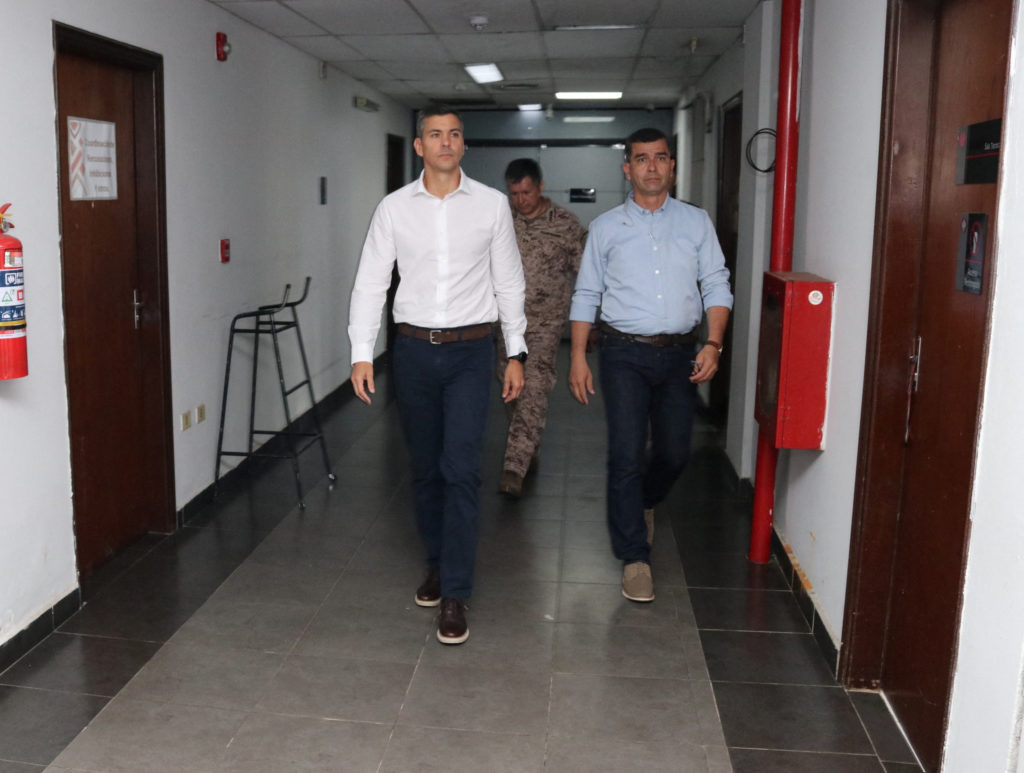
Visual accounts from the scene show Peña arriving at the attorney general’s compound in a black SUV, escorted by police but not handcuffed. He was dressed in navy blue pants and a white shirt, appearing calm despite the gravity of the situation. Prior to his transfer to a military base late Friday, hundreds of protesters had gathered outside his residence, demanding accountability. The swift transition from presidential office to criminal suspect underscores the severity with which authorities are treating the financial mismanagement.
Vice President Pedro Alliana has assumed the presidency and immediately began forming a new cabinet to stabilize the government. This leadership change represents the most significant political crisis in Paraguay in more than a decade. Since returning to democratic rule in 1989, the country has largely been governed by the conservative Colorado Party. The removal of Peña, who was considered an ally of U.S. President Donald Trump, signals a potential shift in diplomatic and domestic priorities as the new administration seeks to restore public trust.
The financial fallout from Ueno Bank’s collapse remains a pressing concern for millions of Paraguayans. Regulators seized the institution just three days before Peña’s removal, effectively locking customers out of their accounts. In response, the Central Bank announced that it is working to compensate those affected, reporting that 1.2 million customers had already received partial or full reimbursement of their insured deposits under existing Paraguayan law. However, the process has been slow, fueling continued anger among depositors who fear permanent loss of their savings.
Public outrage has escalated into widespread civil unrest. Thousands of demonstrators have taken to the streets in Asuncion and other cities, clashing with police forces that have deployed rubber bullets and pepper spray to control crowds. The protests are driven by demands for access to frozen funds and justice for those responsible for the bank’s failure. Opposition Senator Yolanda Paredes emphasized the public’s frustration with impunity, stating that Peña should face maximum-security prison rather than leaving office with immunity.
The economic instability is expected to deepen as labor organizations mobilize. Paraguay’s largest teachers’ union, representing more than 40,000 members, has announced plans for an indefinite national strike starting Monday. The union aims to press for stronger protections for public pension funds, which are also at risk due to the broader financial turmoil. This action threatens to further disrupt daily life and economic activity in the landlocked nation of six million people.
In a farewell message released shortly before his ouster, Peña expressed hope that his departure would prevent further division or instability in the country. He framed his exit as a sacrifice for the national good, stating that his responsibility was to place the country above his personal fate. Despite these words, the path forward remains uncertain. The new administration must navigate not only the immediate financial crisis but also the deep political fractures exposed by the impeachment process and the ongoing criminal investigations.
As Paraguay grapples with this dual crisis of governance and finance, the focus turns to whether the new leadership can restore order and confidence. The reimbursement efforts by the Central Bank are critical in calming public fears, but the scale of the problem suggests that challenges will persist. The coming weeks will likely see continued legal proceedings against Peña and Carvallo, alongside sustained pressure from protesters and labor groups demanding systemic reform and accountability.
The situation highlights the vulnerabilities of Paraguay’s financial regulatory framework and the political risks associated with concentrated power. While the removal of Peña marks a decisive moment, it also opens a period of transition that could reshape the country’s political dynamics. International observers will be watching closely to see how the new government handles the aftermath of Ueno Bank’s collapse and whether it can prevent similar crises in the future.
Sources behind this briefing
Go to the original reporting
- PBS NewsHour↗Paraguay's ousted president faces prosecutors after his removal over bank collapse


