The short version
- President Santiago Peña was impeached and placed under house arrest following the sudden suspension of Ueno Bank, which froze assets for approximately 2.9 million customers.
- Investigators are probing allegations that Peña used political influence to benefit the bank, in which he held shares until recently, while his appointee as central bank head regulated its rapid expansion.
- Vice President Pedro Alliana has been sworn in as the new leader amid violent street protests and a severe economic shock that halted basic commerce for much of the population.
Paraguay’s political leadership changed abruptly this week after Congress impeached President Santiago Peña, who was immediately placed under house arrest. The removal comes in the wake of a severe financial crisis triggered by the suspension of Ueno Bank, an institution that had grown to serve roughly 60 percent of the country’s adult population. The bank’s sudden closure froze the accounts of approximately 2.9 million people, preventing them from accessing their own money for essential purchases such as food and water.
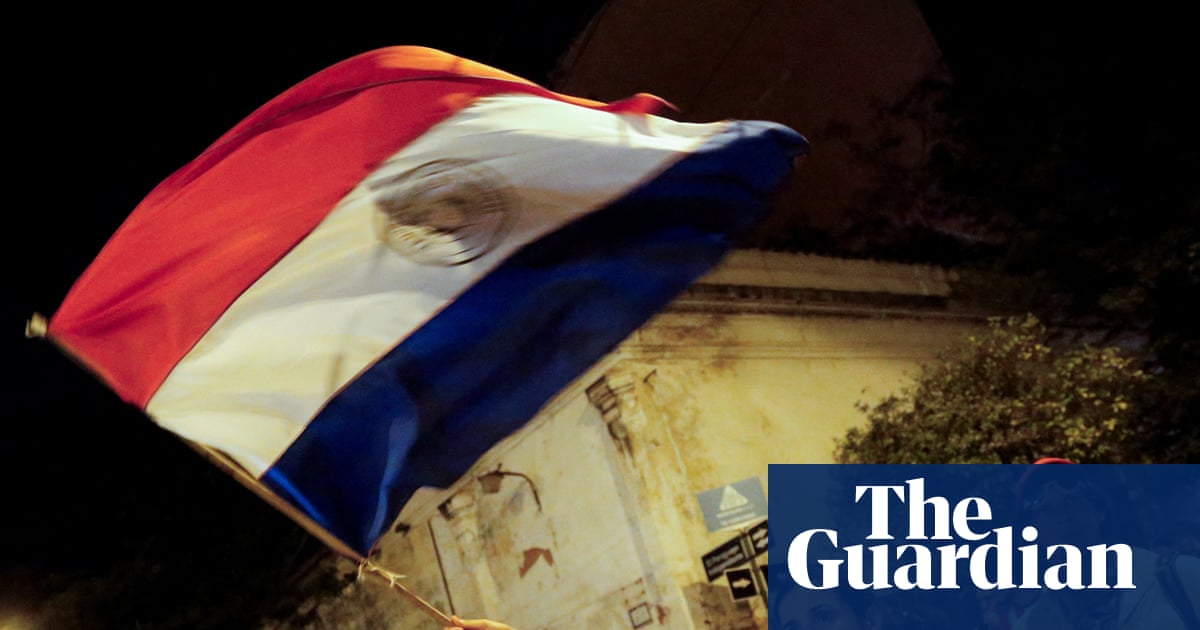
The crisis has sparked widespread unrest across the nation. Protesters took to the streets demanding accountability, with some demonstrations turning violent as demonstrators clashed with police forces. The economic disruption was immediate and severe, with retail sales plummeting by as much as 80 percent in affected areas because consumers could not pay for goods. The scale of the freeze has created a humanitarian-style emergency within the financial system, leaving millions unable to conduct daily transactions.
Legal proceedings against Peña moved quickly after the impeachment vote concluded on Friday. A public prosecutor, accompanied by police officers, confirmed that the former president was inside his residence and had voluntarily submitted to the arrest warrant. The charges include illicit enrichment, money laundering, and influence peddling. Prosecutors indicated that Peña made himself available for procedural purposes, though he did not appear personally before Congress to defend himself during the impeachment hearings.
Peña attempted to resign on Thursday in a strategic move to retain special legal jurisdiction afforded to former presidents in Paraguay, which typically grants them life tenure as senators and immunity from ordinary courts. Lawmakers rejected his resignation, ensuring he would face trial in standard judicial venues rather than benefiting from legislative privileges. This decision underscores the severity with which the political establishment is treating the allegations surrounding the banking collapse.
At the center of the investigation is the relationship between Peña’s administration and Ueno Bank. Shortly after taking office, Peña appointed Carlos Carvallo Spalding, a former chief executive of Ueno, to lead the country’s central bank. In this role, Spalding oversaw the regulatory environment that allowed Ueno to transform into a digital bank, facilitating its rapid growth in deposits over just a few years. An arrest warrant has also been issued for Spalding, linking him directly to the unfolding scandal.
Financial records reveal that Peña held approximately US$1 million in shares of a company that later became Ueno Holding, the parent entity controlling the bank. He acquired these shares in 2019 and did not divest them until April 2025, well into his presidency. While Peña claimed he acted solely as an investor, critics argue that his political position provided undue advantages to the institution. The bank aggressively expanded by offering high returns and easy account opening, attracting significant public pension funds under the administration’s control.
Political analysts estimate that between $800 million and $860 million in state and pension funds were deposited into Ueno Bank, citing the perceived blessing of the presidency as a key factor in this concentration of capital. Opposition lawmakers have characterized the situation as one of the most significant corruption scandals since Paraguay’s return to democracy. Senator Rafael Filizzola described it as the largest fraud executed from political power during the democratic era, highlighting the breach of public trust.
Vice President Pedro Alliana has been sworn in as the new head of state, tasked with stabilizing a country reeling from both political upheaval and financial paralysis. The transition occurs against a backdrop of deep uncertainty regarding the recovery of frozen funds and the long-term stability of Paraguay’s banking sector. As investigations continue into the roles of Peña and Spalding, the focus remains on restoring access to accounts for millions of citizens who have been locked out of their own savings.
Sources behind this briefing
Go to the original reporting
- The Guardian World↗Ousted Paraguay president under house arrest after banking crisis leaves 60% of country unable to access accounts


