The short version
- Chris Pappas defeated John Sununu to succeed retiring Senator Jeanne Shaheen.
- Pappas becomes the first openly gay man elected to the United States Senate.
- The race highlighted tensions between moderate candidates and populist donor interests.
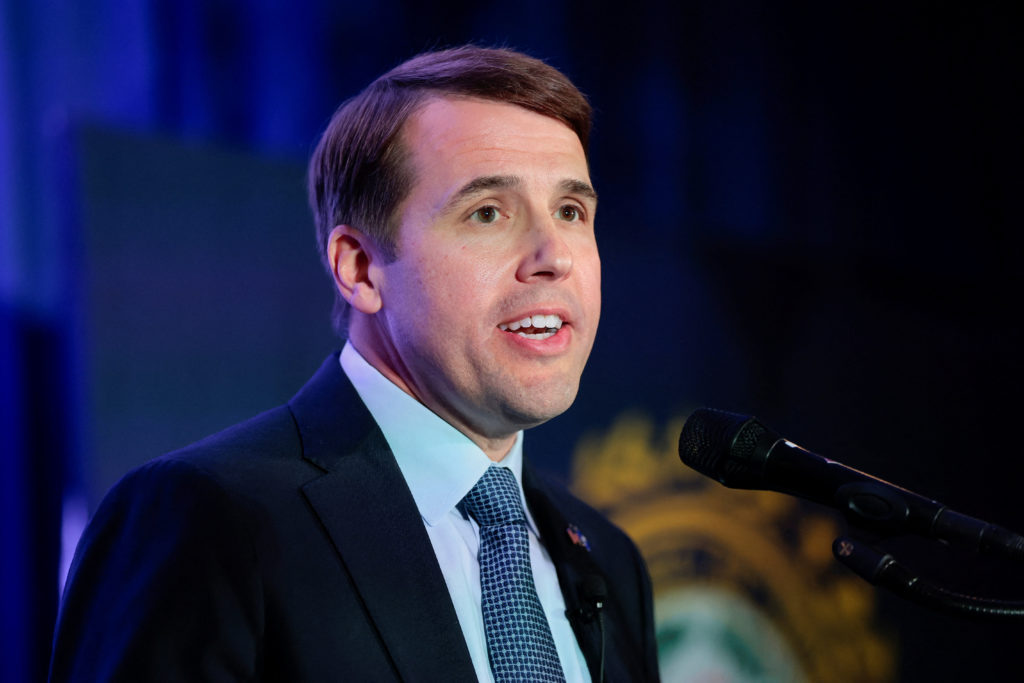
Democrat Chris Pappas has secured victory in New Hampshire’s U.S. Senate race, preventing Republicans from flipping a key seat as they sought to maintain their majority in the chamber. The win ensures that the open seat, previously held by three-term Senator Jeanne Shaheen, remains under Democratic control. Pappas, a four-term member of the House of Representatives, defeated his Republican opponent, John Sununu, in a contest that had emerged as a significant source of anxiety for party leaders due to its tight margins.
The result carries historic weight beyond partisan arithmetic. At forty-six years old, Pappas is set to become the first openly gay man to serve in the United States Senate. His election follows a campaign characterized by intense competition and substantial financial investment from outside groups. While Pappas positioned himself as a centrist voice who has occasionally diverged from his party on major legislative votes, his victory speech adopted rhetoric that resonated with populist themes seen elsewhere in the current election cycle.
John Sununu, a former senator who lost his own seat to Shaheen in 2008, conceded the race after approximately twenty percent of ballots had been counted. In a gesture noted by campaign officials, Sununu offered a gracious concession call before addressing supporters. The former lawmaker had attempted to distance himself from President Donald Trump during the campaign, despite receiving the president’s endorsement. Sununu criticized the administration’s handling of international conflicts, including the war in Iran and support for Ukraine, and even claimed in recent advertising that he had never met the president.
Pappas, however, portrayed Sununu as a moderate in name only, arguing that the Republican candidate would ultimately align with the president’s agenda. This strategy capitalized on low approval ratings for the Trump administration within New Hampshire. Pappas highlighted specific policy disputes, including Medicaid cuts embedded in recent legislation and ongoing military engagements, to frame the election as a referendum on national direction. He characterized the contest as a battle against corporate special interests and billionaires who have influenced economic outcomes.
The campaign trail was marked by significant financial warfare. Pappas noted that tens of millions of dollars flowed into the state from figures such as Donald Trump and Elon Musk, alongside other corporate donors. These funds supported attack advertisements and messaging campaigns that Pappas described as misleading. Despite this financial disparity, his team maintained that local voters rejected the outside influence in favor of a course correction for Washington politics.
On election night, supporters gathered in Manchester erupted when screens displayed Sununu’s concession remarks. The crowd chanted slogans supporting Pappas, who stood beside his husband, Vann Bentley. In his address, Pappas pledged to advocate for reproductive freedom and oppose the construction of data centers and Immigration and Customs Enforcement detention facilities within the state. These issues appeared to energize the base, drawing loud cheers from attendees.
Pappas framed his victory as a rejection of chaos and corruption emanating from the federal government. He argued that New Hampshire voters demanded a new generation of leadership capable of fixing systemic problems. The former congressman suggested that the electorate had grown weary of policies they viewed as harmful, including healthcare reductions and tariff implementations. His message emphasized accountability for lawmakers who enabled these measures.
The outcome underscores the complex dynamics facing moderate candidates in an era of heightened polarization. While Pappas secured endorsements from prominent Democrats and established himself as the establishment choice, his rhetoric mirrored that of more populist contenders who have found success in other states. This blend of traditional political positioning and progressive messaging may define his approach in the Senate.
As the dust settles on a closely fought contest, the implications for national politics remain significant. By holding this seat, Democrats have thwarted Republican efforts to expand their Senate majority. Pappas now prepares to assume office, bringing a perspective shaped by years in the House and a campaign focused on resisting what he described as incompetent leadership. The race serves as a bellwether for voter sentiment regarding federal policy and executive power.
Looking ahead, Pappas faces the challenge of translating campaign promises into legislative action. His commitment to fighting against specific administrative policies will likely place him at odds with Republican counterparts. Meanwhile, the financial intensity of this race suggests that future contests in New Hampshire may continue to attract substantial outside spending. The state’s role as a competitive battleground remains evident in the resources deployed by both sides.
Sources behind this briefing
Go to the original reporting
- PBS NewsHour↗WATCH: Democrat Chris Pappas speaks after winning New Hampshire Senate seat
- The Guardian US↗Democrat Chris Pappas wins New Hampshire Senate race to become first out gay senator


