The short version
- The Panama Canal Authority is implementing a reduced transit schedule of thirty-two ships per day beginning September 15, down from the current limit of thirty-six.
- This restriction aims to preserve critical water supplies for both canal operations and local human consumption during an intense El Niño weather event.
- The move adds pressure to global shipping networks already strained by geopolitical conflicts in the Middle East and previous drought-related disruptions.
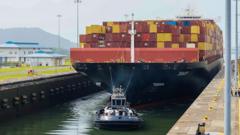
The Panama Canal Authority has announced a reduction in the number of vessels permitted to transit the waterway each day, citing urgent needs to conserve freshwater resources. Starting September 15, the daily limit will drop from thirty-six ships to thirty-two. This adjustment marks a significant tightening of access for one of the world’s most critical maritime chokepoints, which facilitates trade between the Atlantic and Pacific oceans. The decision reflects growing concerns over water availability as the region faces the impacts of El Niño, a climatic phenomenon characterized by periodic warming of sea surface temperatures that disrupts global weather systems.
The authority emphasized that these measures are necessary to ensure the long-term sustainability of transit operations while safeguarding water for human consumption. Although Central America has entered its rainy season, recent precipitation levels have been insufficient to replenish the reservoirs that power the canal’s lock system. Water-saving protocols already in place were deemed inadequate to offset the projected deficits. The phased implementation of these restrictions begins on September 3, allowing shipping companies time to adjust their logistics and scheduling strategies before the new cap takes full effect.
El Niño is expected to be particularly strong this year, with forecasts suggesting it could rank among the most intense events recorded in recent history. Climate change is believed to be amplifying the severity of these weather patterns, leading to more extreme droughts and heatwaves. In 2023, the canal operator faced similar challenges when Panama experienced its driest October since records began in 1950. That period also required a reduction in daily transits, highlighting the recurring vulnerability of the waterway to climate-driven water shortages. The current situation underscores the ongoing tension between maintaining high-volume commercial traffic and managing finite natural resources.
The timing of this restriction coincides with other significant disruptions in global shipping routes. Tensions related to the conflict involving Iran have led to a substantial decrease in vessel traffic through the Strait of Hormuz, another vital artery for international trade. Shipping firms are already navigating complex logistical hurdles caused by these geopolitical issues, and the additional constraints at the Panama Canal may exacerbate delays and increase costs. The interplay between climate-induced resource scarcity and geopolitical instability presents a multifaceted challenge for global supply chain managers who must balance efficiency with resilience.
The Panama Canal serves as a crucial economic engine for the nation, generating approximately three billion dollars in annual revenue. Roughly fourteen thousand ships utilize the artificial waterway each year, operating around the clock to facilitate the movement of goods across continents. Any reduction in transit capacity directly impacts this income stream and can have ripple effects throughout the global economy. While the authority has introduced various water-conservation measures since the last major drought, the scale of the current El Niño event necessitates further action. The decision to cut daily transits is a precautionary step designed to prevent more severe disruptions later in the year.
Shipping companies have been notified of the changes and are expected to adapt their routing strategies accordingly. Some vessels may opt for alternative routes, such as passing around South America via the Cape of Good Hope or using other canals if feasible, though these options often involve longer travel times and higher fuel costs. The authority’s focus on preserving service reliability suggests that while volume will decrease, the consistency of operations remains a priority. This approach aims to maintain trust with clients who depend on predictable transit schedules for their supply chains.
The broader implications of this decision extend beyond immediate logistical adjustments. It highlights the increasing frequency of climate-related disruptions to critical infrastructure and the need for adaptive management strategies. As weather patterns become more volatile, water-dependent systems like the Panama Canal face heightened risks that require proactive mitigation. The authority’s actions serve as a case study in balancing economic demands with environmental constraints, offering insights into how other regions might respond to similar challenges.
Looking ahead, the effectiveness of these measures will depend on rainfall patterns and the duration of the El Niño event. If conditions worsen, further restrictions could be implemented, potentially leading to even greater disruptions in global trade. Conversely, if rains arrive as expected, the authority may revisit the transit limits later in the year. For now, stakeholders must navigate a period of uncertainty, adjusting plans to accommodate reduced capacity while monitoring developments closely. The situation remains fluid, with ongoing assessments guiding future decisions.
This development also draws attention to the broader context of global trade vulnerabilities. With multiple chokepoints facing simultaneous pressures from climate and conflict, the resilience of international supply chains is being tested. Companies may need to diversify their logistics networks or invest in more flexible transportation solutions to mitigate risks. The Panama Canal’s role as a key source of income for Panama means that any prolonged disruption could have significant economic consequences for the country, reinforcing the importance of sustainable water management practices.
As the new transit limits take effect, the focus will shift to how well the industry adapts to these changes. The authority’s commitment to long-term sustainability suggests a willingness to prioritize resource conservation over short-term volume gains. This approach may set a precedent for other infrastructure projects facing similar environmental pressures. Ultimately, the outcome will depend on the interplay between weather patterns, operational adjustments, and global market dynamics, all of which remain subject to change as the situation evolves.
Sources behind this briefing
Go to the original reporting
- BBC News↗Panama Canal to cut number of ships passing through due to El Niño

