The short version
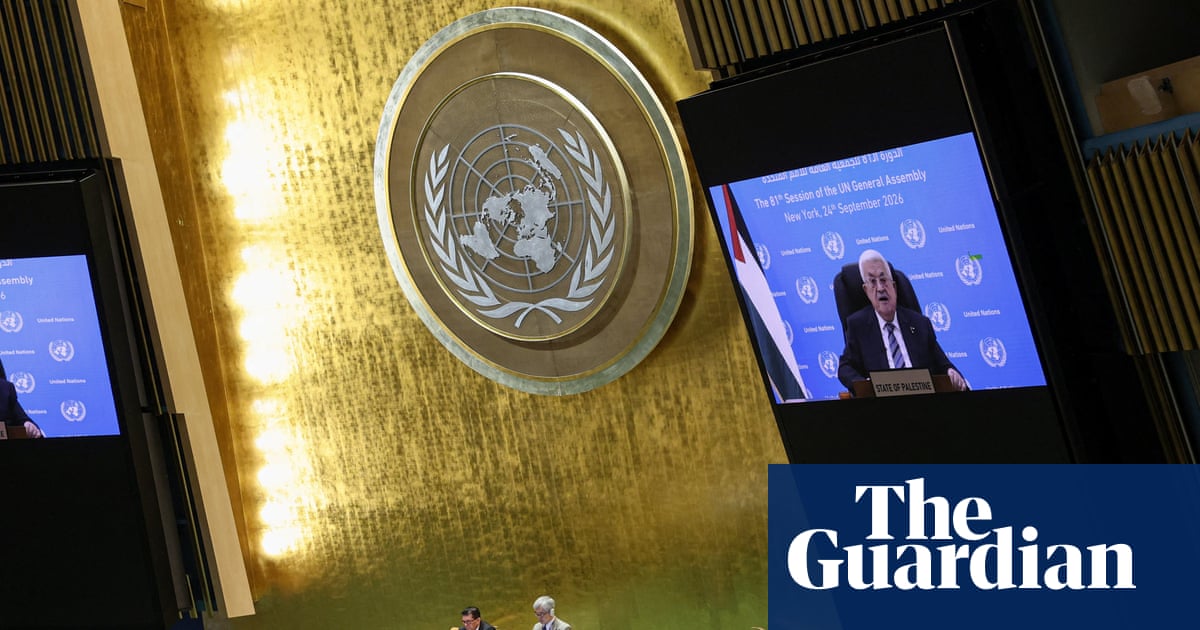
- Palestinian Authority officials were denied US visas for the second consecutive year, prompting Mahmoud Abbas to deliver a remote address condemning Israeli policies as a colonial plan.
- Benjamin Netanyahu is scheduled to speak at the UN during a short visit that excludes meetings with President Trump or other senior American officials amid growing international criticism.
- Demonstrators have gathered in New York City to protest Israel’s war in Gaza, while city leadership balances protection of protest rights with diplomatic sensitivities.
The United Nations General Assembly is preparing for a tense confrontation between Palestinian and Israeli leadership, marked by the absence of the Palestinian delegation from New York. Benjamin Netanyahu is scheduled to deliver an address on Thursday, arriving in the city for a brief twelve-hour visit. His appearance follows a video statement from Mahmoud Abbas, who was barred from attending due to visa restrictions imposed by the US government. The situation highlights deepening diplomatic fractures as world leaders gather to discuss global conflicts.
Abbas delivered his remarks from Ramallah, broadcasting directly into the General Assembly Hall. He characterized Israel’s actions in Gaza, the West Bank, and East Jerusalem as part of a malicious colonial strategy aimed at erasing Palestinian presence. The Palestinian leader argued that these policies threaten the existence of his people and warned against repeating historical tragedies associated with the 1948 displacement. His message served as a direct rebuttal to the narrative Netanyahu is expected to present.
The United States State Department justified the visa denials by citing the Palestinian Authority’s failure to meet peace commitments. Officials stated that sanctions were extended because of ongoing activities deemed detrimental to diplomatic prospects. Abbas rejected these punitive measures as unlawful, arguing that preventing his delegation from reaching UN headquarters violates the host country’s obligations. This marks the second year in a row that Palestinian representatives have been excluded from the assembly due to these restrictions.
In New York City, street protests have already begun near the United Nations headquarters. Hundreds of demonstrators have gathered on Manhattan’s east side, holding signs demanding an end to violence and criticizing military funding. The atmosphere reflects significant public opposition to Israel’s conduct in Gaza. These demonstrations underscore the domestic political pressure surrounding Netanyahu’s visit and the broader debate over US foreign policy in the Middle East.
New York City Mayor Zohran Mamdani has faced scrutiny regarding his stance on the visit. Earlier this summer, he declared that Netanyahu was not welcome in the city and considered potential legal actions based on international warrants. However, he has since moderated his position, stating he will not attend protests but will ensure demonstrators can exercise their right to assemble. Israeli Ambassador Danny Danon criticized this shift as insufficient, suggesting it came too late to mitigate tensions.
Netanyahu’s itinerary does not include meetings with President Donald Trump or other senior US officials. The president is currently in Washington hosting Chinese leader Xi Jinping. This lack of high-level engagement signals a degree of diplomatic isolation for the Israeli prime minister. Netanyahu has indicated that his short stay is necessary due to upcoming elections in October and the Jewish holiday of Sukkot, which begins on Friday. His speech is viewed by allies as both a defense of his record and an appeal to right-wing supporters.
The Israeli leader is expected to reject criticism regarding the war in Gaza and settlement expansions in the West Bank. Allies suggest the address will serve multiple purposes, including defending his political position ahead of potential electoral challenges. The timing of the visit places it at a critical juncture for Netanyahu’s domestic standing. International condemnation of his hardline stance continues to grow, complicating efforts to secure broader diplomatic support.
Palestinian representatives are urging other diplomatic missions to consider walking out during Netanyahu’s speech. They argue that such an action would send a clear message against complicity in alleged war crimes and illegal occupation. This call for solidarity reflects the intensity of feelings surrounding the conflict. The potential for disruption adds another layer of uncertainty to the proceedings at the United Nations.
The convergence of these events illustrates the complex interplay between international diplomacy, domestic politics, and public sentiment. As Netanyahu prepares to speak, the absence of Palestinian voices from the physical assembly contrasts sharply with their vocal opposition from afar. The coming days will likely see continued protests and diplomatic maneuvering as global attention focuses on the Middle East conflict.
Observers note that the visa denials and subsequent remote address by Abbas have intensified the polarization surrounding the UN meeting. The inability of key parties to engage directly in New York limits opportunities for immediate dialogue. Instead, the stage is set for competing narratives to be broadcast to a global audience. The outcome of these proceedings may influence future diplomatic efforts and public opinion on both sides of the Atlantic.
Sources behind this briefing
Go to the original reporting
- The Guardian World↗Abbas condemns Israel’s ‘malicious colonial plan’ ahead of Netanyahu UN speech

