The short version
- A paddleboarder used his equipment to dislodge an alligator from a swimmer’s arm on the Silver River, allowing another boater to assist in bringing the victim to shore.
- Wildlife authorities have captured a nearly ten-foot alligator from the area following the incident, which occurred shortly after a fatal attack in Seminole County.
- State agencies emphasize that increasing human populations near waterways are leading to more frequent encounters, urging public adherence to safety guidelines regarding feeding and proximity.
A dramatic rescue unfolded on the Silver River in Marion County this past weekend when a paddleboarder intervened during an alligator attack on a swimmer. The incident, which occurred on Saturday, involved a woman who was bitten on the arm by the reptile while swimming. Local authorities confirmed the event and noted that the victim survived due to the immediate actions of bystanders. This case highlights the potential for severe outcomes in Florida’s waterways, even as it demonstrates how quick intervention can alter the trajectory of such dangerous encounters.
Mike Heard, the paddleboarder who responded to the distress, was with his family when he heard two women shouting warnings about an alligator nearby. He described seeing the animal moving toward the swimmer from a distance of roughly twenty to thirty feet. The suddenness of the attack prompted immediate concern for both the victim and his own safety, as he weighed the risks of entering the water against the urgency of the situation. His account underscores the split-second decisions required when wildlife aggression occurs in recreational areas.
Upon reaching the scene, Heard observed that the alligator had its jaws locked onto the woman’s arm. Recognizing that swinging his paddle from his initial position might strike the victim, he maneuvered to a different angle to stabilize himself on the board. He then used the paddle to strike at the animal, aiming to drive it away without causing further harm to the swimmer. Although he was uncertain whether he made direct contact, the alligator released its grip and disappeared from view shortly after his intervention.
Another boater arrived to assist in bringing the injured woman to shore, where Heard applied a rope as a makeshift tourniquet to control bleeding from her arm. The victim remained conscious during the process and directed him to tighten the restraint. This collaborative effort between multiple bystanders ensured that the woman received immediate first aid before professional medical help could arrive. The incident serves as a reminder of the importance of preparedness and community response in remote or semi-remote recreational settings.
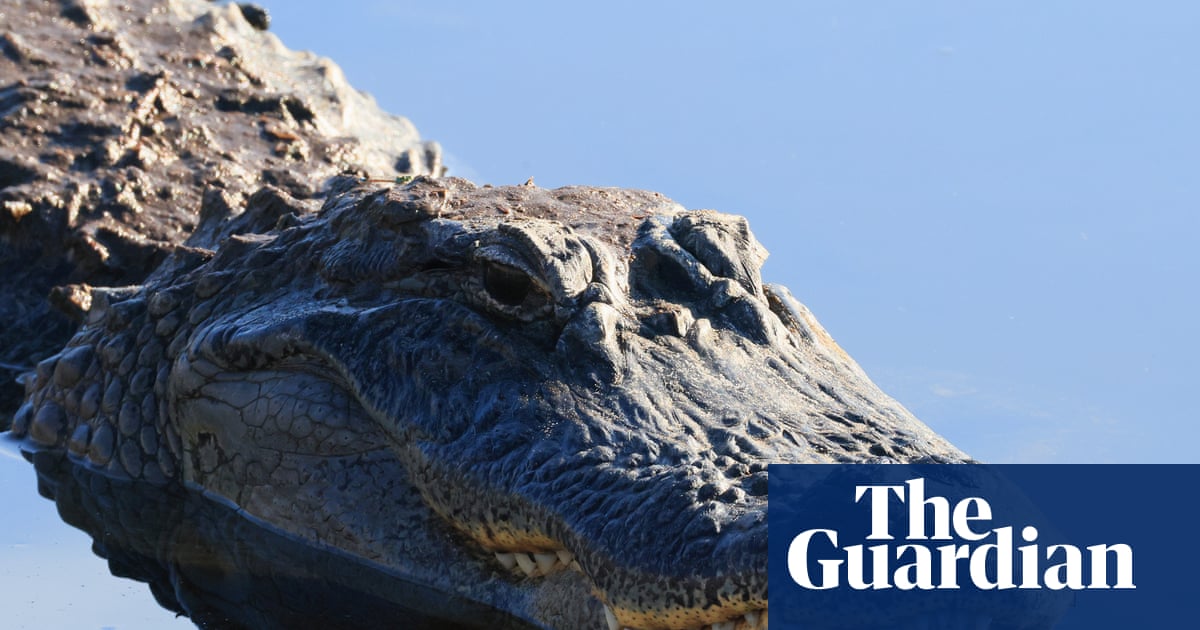
In the aftermath, the Florida Fish and Wildlife Conservation Commission reported trapping a large alligator measuring nine feet eight inches from the vicinity of the attack. This action is part of standard protocol following aggressive incidents involving wildlife near populated areas. The removal of the specific animal involved helps mitigate immediate risks to other visitors in the Silver River area. Authorities have not yet determined if this individual was responsible for previous disturbances or if it was an isolated event driven by territorial behavior.
This rescue comes shortly after a tragic incident in Seminole County, where thirty-one-year-old Brittany Clark died from injuries sustained during an alligator attack while swimming with her boyfriend at Little Big Econ State Forest. The proximity of these two events has intensified public awareness regarding the dangers present in Florida’s natural waterways. While alligators are native to the state and found in all sixty-seven counties, fatal attacks remain rare but carry significant emotional and safety implications for residents and tourists alike.
Wildlife officials attribute the rising frequency of human-alligator encounters to population growth and increased recreational use of wetlands, rivers, and lakes. As more people live near or visit these habitats, the likelihood of accidental proximity increases. The Florida Fish and Wildlife Conservation Commission advises the public to never feed alligators, as this behavior can condition them to associate humans with food sources. They also recommend maintaining a safe distance when observing wildlife from shore or boats.
Safety guidelines further suggest swimming only in designated areas during daylight hours, when visibility is better for both humans and animals. Keeping pets on leashes and away from the water’s edge is another critical measure to prevent provoking defensive reactions from alligators. These recommendations aim to reduce conflict without removing public access to natural resources. Education and vigilance remain key strategies for coexisting safely with Florida’s abundant wildlife.
The Marion County Sheriff’s Office and state conservation agencies are continuing to monitor the situation and provide updates as needed. No charges have been filed, as the incident is treated as a wildlife interaction rather than a criminal matter. The focus remains on public safety education and ensuring that similar incidents do not result in fatalities. As summer activities continue, officials urge residents and visitors to remain alert and respect the natural behaviors of alligators in their habitat.
This event reinforces the delicate balance between enjoying Florida’s outdoor amenities and respecting the power of its native species. While most encounters are non-lethal, the potential for serious injury necessitates caution. The successful rescue by Heard and other bystanders offers a positive example of community resilience. However, it also highlights the need for ongoing awareness campaigns to prevent future tragedies in the state’s extensive network of waterways.
Sources behind this briefing
Go to the original reporting
- The Guardian US↗Florida paddleboarder rescues woman from alligator attack

