The short version
- Several major Pacific leaders have withdrawn from the Palau summit at the last minute, significantly reducing the gathering's diplomatic weight.
- The Solomon Islands prime minister canceled his attendance following a domestic no-confidence motion regarding governance procedures.
- Analysts suggest the withdrawals may signal a shift toward bilateral engagements with partners like Australia rather than regional cooperation.
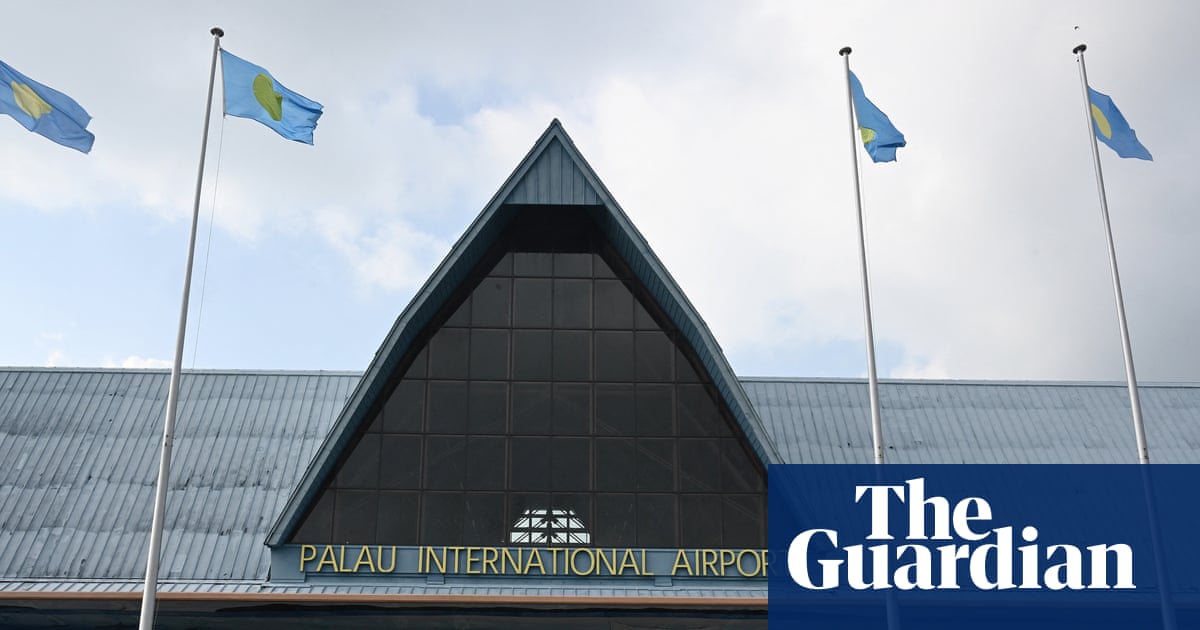
The Pacific Islands Forum leaders’ meeting in Palau has been marked by significant disruption after several key heads of government withdrew their participation at the eleventh hour. The absences include the prime ministers of the Solomon Islands, Fiji, Vanuatu, and Samoa, creating a notable void in what was anticipated to be a pivotal gathering for regional diplomacy. This sudden reduction in attendance has cast doubt on the summit’s ability to achieve its intended outcomes, particularly regarding security coordination and climate resilience initiatives.
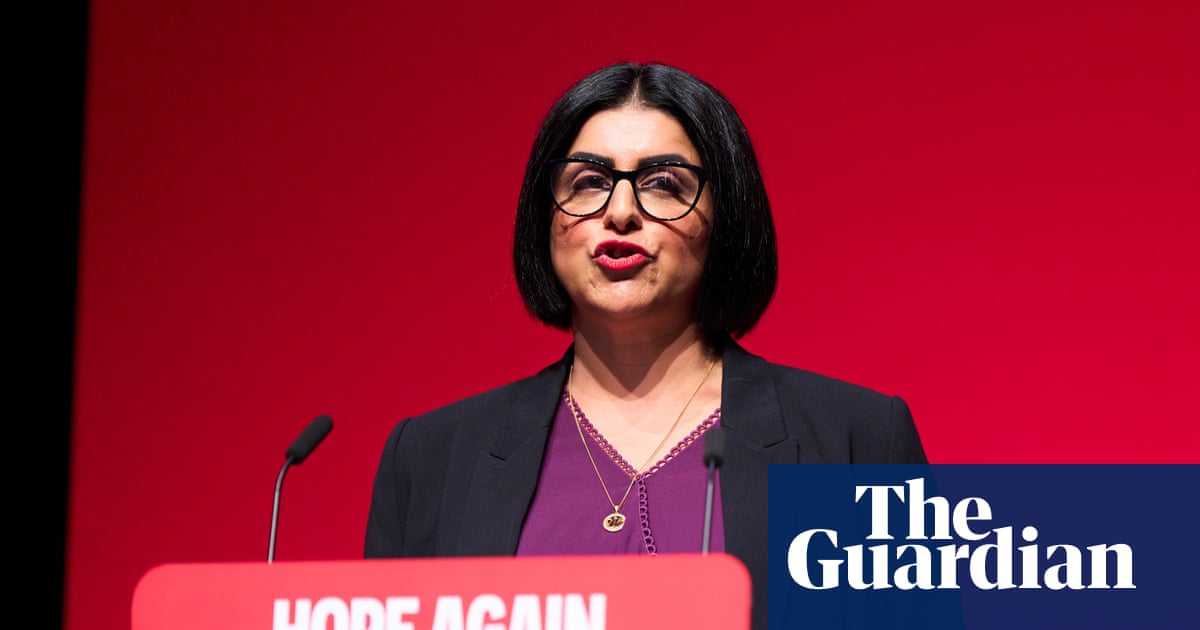
The withdrawal of Solomon Islands Prime Minister Matthew Wale stems from intense domestic political pressure. A no-confidence motion was lodged against him by Home Affairs Minister Manasseh Maelanga, who accused Wale of undermining collective cabinet responsibility. Maelanga alleged that Wale repeatedly made decisions on matters of national importance without proper consultation or approval from the cabinet, thereby violating principles of representative democracy and good governance. This internal conflict forced Wale to cancel his appearance, removing a central figure in recent regional security discussions.
Alongside the Solomon Islands, Fiji Prime Minister Sitiveni Rabuka and Vanuatu’s Jotham Napat will not attend the summit. Samoan leader La’auli Leuatea Schmidt is also among those absent. These coordinated or coincidental absences have dampened expectations for the forum, which was shaping up to be a significant event for addressing shared challenges in the Pacific. The lack of participation from such influential nations dilutes the potential impact of any agreements or declarations that might emerge from the proceedings.
Despite the high-profile withdrawals, Australian Prime Minister Anthony Albanese confirmed he would still attend the summit. His presence underscores Australia’s continued commitment to the region, even as the forum’s composition shifts. Albanese emphasized that Australia has a duty to help Pacific nations thrive, noting that allowing these countries to succeed also benefits Australia. He framed the engagement as essential in a time of strategic competition, highlighting the importance of contributions to infrastructure, regional security, and climate action.
The timing of these withdrawals coincides with ongoing negotiations between Australia and the Solomon Islands regarding a security treaty. There had been hopes that further discussions could take place on the sidelines of the summit. However, the domestic turmoil in the Solomon Islands has stalled this momentum. Additionally, Australia recently signed a security deal with Fiji, elevating their bilateral relationship to a formal alliance as part of broader efforts to curb Chinese influence in the region. These bilateral moves may be influencing leaders’ priorities.
Oliver Nobetau, director of the Pacific Islands program at the Lowy Institute, described the situation as unfortunate, noting that the pulling out of key prime ministers dulls the flame of the meeting. He suggested that the absences could be interpreted as nations prioritizing bilateral agreements with partners like Australia over region-wide commitments. While the Forum remains a useful platform for many members, larger countries may feel they can achieve more immediate benefits through direct engagement with other partners.
The summit was expected to progress pilot projects around Pacific climate resilience, a critical agenda item ahead of the COP31 climate summit. A pre-leaders summit is scheduled to be held in Tuvalu in October, making this Palau meeting an important preparatory step. The reduced attendance raises concerns about the forum’s ability to demonstrate its usefulness and unity on pressing environmental issues that affect the entire region.
In addition to security and climate topics, Albanese used the platform to address domestic debates regarding Pacific workers in Australia. He reaffirmed support for the Pacific Australia Labour Mobility Scheme, stating that it would continue despite political discussions about immigration cuts. Albanese highlighted the critical economic benefit these workers provide to regional industries such as agriculture and meat processing, noting that their remittances also boost the economies of their home communities.
The controversy surrounding the labor scheme has fueled division, with representatives from One Nation being pressed to clarify whether PALM workers would be included in proposed reductions to net overseas migration. Albanese argued that people from the Pacific make an enormous contribution to Australia’s prosperity through their vital work. He emphasized that the stability and prosperity of the whole region are linked to the economic benefits these workers bring to both Australia and their home countries.
As the summit proceeds with a diminished roster, the focus remains on whether the remaining participants can forge meaningful agreements. The interplay between bilateral interests and regional cooperation will likely define the outcome. With strategic competition intensifying in the Indo-Pacific, the ability of the Pacific Islands Forum to present a united front on security and climate issues is more important than ever, even as individual nations navigate their own domestic and diplomatic priorities.
Sources behind this briefing
Go to the original reporting
- The Guardian World↗Pacific Islands Forum meeting in turmoil after several leaders pull out of Palau summit