The short version
- Jon Ossoff defeated Republican Mike Collins to retain his Senate seat, blocking a targeted GOP effort to gain ground in Georgia.
- Ossoff raised significantly more funds than his challenger and framed the race around economic concerns and criticism of the Trump administration.
- Collins faced severe backlash over ties between his campaign staff and white nationalist figures, which Ossoff highlighted throughout the contest.
Senator Jon Ossoff has secured reelection in Georgia, delivering a decisive victory over Republican challenger Mike Collins. The outcome represents a significant shift from earlier expectations in the cycle, when Republicans viewed the state as a prime opportunity to expand their Senate majority. Instead, the Democrat’s win effectively neutralized a targeted effort by GOP strategists to pick up a seat in a state that Donald Trump carried narrowly in the 2024 presidential election.
The race was widely anticipated as one of the marquee contests of the year, but it concluded with Ossoff maintaining a consistent lead in polling data. His victory is particularly notable given the initial optimism among Republicans who believed the political landscape had shifted in their favor. By holding this seat, Democrats have preserved a critical component of their strategy to maintain control of the Senate, which relies heavily on retaining incumbents in Georgia, Michigan, and New Hampshire.
Ossoff’s campaign was characterized by substantial financial advantages. He raised at least $115.9 million for the election cycle, a figure that dwarfed the resources available to Collins. This fundraising dominance allowed Ossoff to saturate the media landscape with his message throughout the contest. Republican groups supporting Collins eventually pulled back their spending in mid-October, a move that signaled an internal acknowledgment that the race was likely lost before the final votes were cast.
The senator framed his reelection bid as a referendum on the Trump administration, focusing on issues such as stock trades by officials close to the president and the economic impact of trade policies. Ossoff argued that these actions negatively affected the daily lives of Georgia voters, emphasizing concerns about grocery costs and fuel prices. This approach resonated with local leaders like Atlanta Mayor Andre Dickens, who highlighted the universal nature of economic struggles during election night remarks.
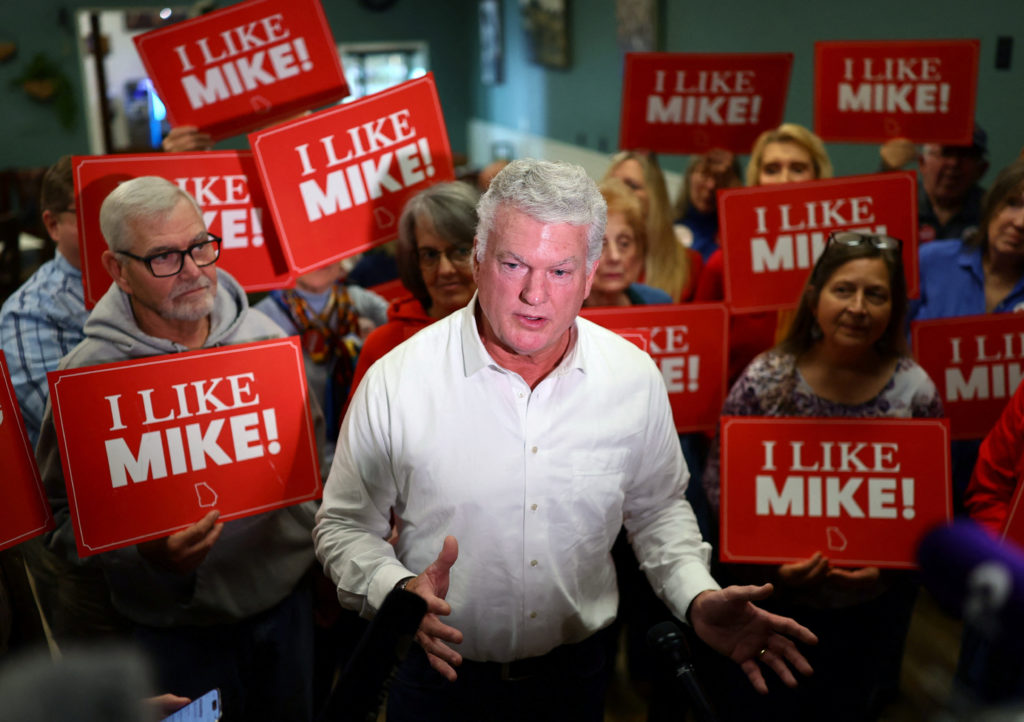
Collins faced significant challenges related to his campaign’s associations with far-right extremists. Reporters uncovered connections between Collins’ staff and white nationalist figures, including meetings with known neo-Nazis. His son-in-law had previously advocated for white supremacist views online, and former aides had engaged with activists seeking intervention for a Holocaust denier incarcerated on contempt charges. These revelations marred the Republican campaign and provided Ossoff with potent material for debates and advertising.
Ossoff repeatedly highlighted these controversies during the campaign, using them to question Collins’ judgment and alignment with mainstream values. The senator’s speeches, often recorded from angles that emphasized his stature, gained traction on social media platforms. Despite comparisons to former President Barack Obama and speculation about a potential presidential run in 2028, Ossoff has consistently stated he has no interest in seeking the highest office.
The victory underscores the importance of fundraising and narrative control in modern Senate races. While Republicans had hoped to capitalize on national trends, Ossoff’s ability to dominate financial resources and define the terms of the debate proved decisive. The result leaves Democrats with a stronger position heading into future electoral cycles, having successfully defended a seat that was once considered vulnerable.
Looking ahead, the implications of this win extend beyond Georgia. It reinforces the Democratic strategy of defending key incumbents in swing states to maintain Senate majorities. For Republicans, the loss highlights the difficulties of flipping seats in states where national enthusiasm did not translate into local electoral success. The race serves as a case study in how candidate-specific issues and financial disparities can override broader political trends.
Ossoff’s reelection also solidifies his status as a rising figure within the Democratic Party. His ability to navigate a high-profile contest while avoiding direct presidential ambitions has positioned him as a influential voice in national politics. The campaign’s focus on economic realities and ethical concerns provided a clear contrast to the controversies surrounding his opponent, contributing to a comfortable margin of victory.
As the dust settles on the Georgia Senate race, the focus shifts to the broader implications for the balance of power in Washington. Democrats can breathe easier knowing they have retained a crucial seat, while Republicans must reassess their strategy in states that were once viewed as attainable. The outcome reflects a complex interplay of local dynamics, national politics, and individual candidate strengths.
Sources behind this briefing
Go to the original reporting
- PBS NewsHour↗WATCH: Rep. Mike Collins speaks after loss in Georgia Senate race
- The Guardian US↗Jon Ossoff wins Georgia Senate race over Republican Mike Collins
- NPR↗Jon Ossoff wins reelection in Georgia, easily defeating Republican Mike Collins


