The short version
- The Ontario Court of Appeal overturned a lower court ruling, determining that removing bike lanes does not violate the Charter of Rights and Freedoms.
- Premier Doug Ford’s administration had argued that protected cycling zones contributed to traffic congestion, while advocates warned of increased safety risks for vulnerable road users.
- Although the legal barrier has been removed, the provincial government has not yet announced a timeline for demolition, and internal reports suggest removal could worsen congestion and cost taxpayers millions.
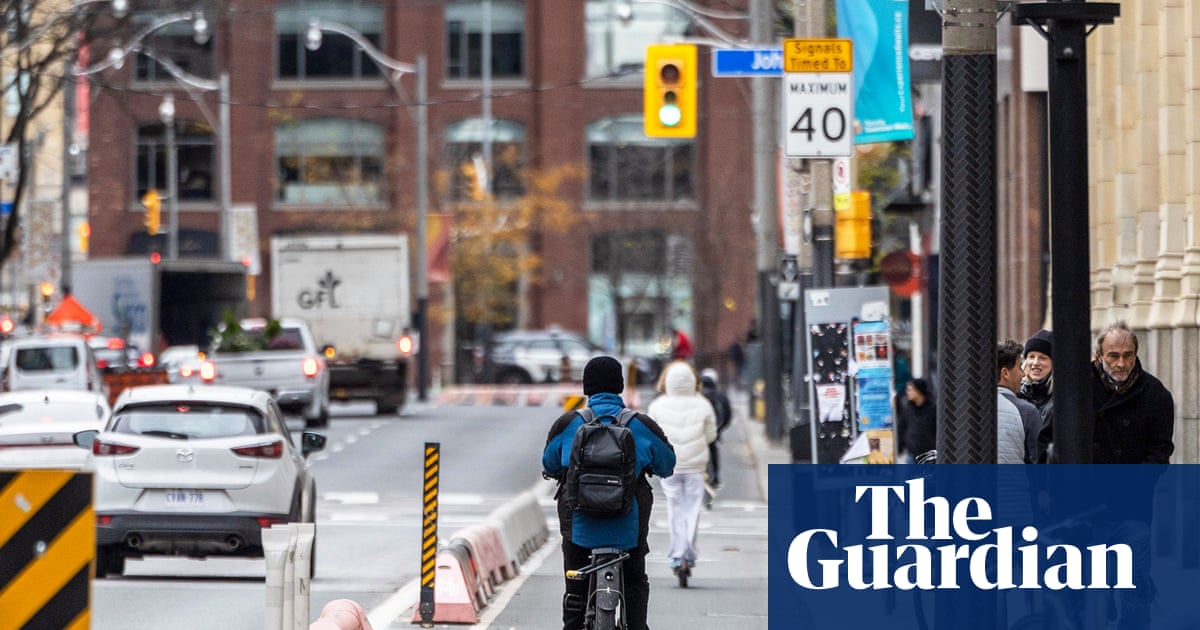
The Ontario Court of Appeal ruled on Friday that the provincial government possesses the authority to remove protected bike lanes from Toronto’s busiest streets, overturning a previous judicial decision that had blocked the initiative. This legal victory resolves a significant conflict between the provincial administration and municipal cycling advocates, clearing the way for Premier Doug Ford’s long-standing policy objective to dismantle infrastructure he blames for urban traffic congestion. The ruling effectively ends a legal challenge launched by cycling advocacy groups who argued that removing the lanes would endanger lives and violate constitutional protections.
The dispute centers on approximately 19 kilometers of protected cycling infrastructure installed by the City of Toronto. In 2024, the Ford government passed legislation enabling the province to override municipal decisions regarding these roadways. However, progress was halted when a superior court judge ruled in July 2025 that the removal would be unconstitutional. That lower court decision found that eliminating the lanes created a heightened risk of death or injury, thereby infringing upon the right to life and security of the person as guaranteed by Canada’s Charter of Rights and Freedoms.
The appellate court reversed this finding, establishing that there is no specific charter right to bike lanes. The judges emphasized that the government retains the freedom to alter legislation regarding road infrastructure if it chooses to do so. Justice Huscroft, writing for the court, noted that neither the executive nor the legislative branches are obligated to accept policy advice from experts. The decision clarified that courts cannot declare legislation unconstitutional merely because experts predict that a government’s policies will fail to achieve their intended outcomes.
Reaction from cycling advocates was sharply critical of the ruling. Michael Longfield, executive director of Cycle Toronto, one of the organizations that initiated the legal challenge, expressed disappointment with the outcome. He argued that the issue extends beyond cyclist safety to include benefits for pedestrians and other drivers through traffic calming effects essential in major urban centers. Longfield characterized the provincial targeting of bike lanes as a gross overreach into municipal affairs, describing the belief that removing cycling infrastructure solves congestion as fundamentally flawed.
Despite the legal clearance, the practical implications of removing the lanes remain complex and costly. A city report from 2024 estimated that dismantling the infrastructure would impose an additional C$48 million burden on taxpayers. Furthermore, internal briefings obtained by media outlets revealed that provincial staff had warned against the removal. These internal assessments indicated that eliminating bike lanes would likely fail to reduce congestion and could potentially exacerbate traffic problems. Staff also cautioned that such actions might be perceived as an inappropriate encroachment on municipal decision-making authority.
Political figures have framed the ruling in starkly different terms. Ontario Transportation Minister Prabmeet Sarkaria described the court’s decision as a victory for common sense, aligning with the premier’s narrative that protected lanes are detrimental to traffic flow. Conversely, Toronto Mayor Olivia Chow stated that she has been working with the province to negotiate a path forward that ensures safety for all road users. There is an indication that the municipality may seek alternative arrangements with the Ford government that preserve some accommodation for cyclists, even as the legal mandate for removal stands.
The provincial government has not yet announced whether or when it intends to proceed with the physical removal of the lanes. The absence of a timeline suggests that while the legal obstacle has been removed, political and logistical considerations may still influence the next steps. Advocates continue to push for evidence-based solutions to urban mobility, arguing that focusing on real data rather than ideological positions will yield better outcomes for city residents.
This case highlights the ongoing tension between provincial authority and municipal autonomy in Canada’s largest city. The court’s emphasis on legislative freedom over expert policy advice sets a precedent for how future infrastructure disputes may be handled. As Toronto navigates this transition, the focus shifts from constitutional arguments to practical implementation, with taxpayers bearing the potential financial cost and residents facing changes to their daily commute routes.
The ruling does not mandate immediate action but rather permits it. The Ford government retains the discretion to decide how and when to exercise this authority. For now, the bike lanes remain in place, but their future is uncertain. The debate underscores broader questions about urban planning priorities, safety standards, and the role of judicial review in policy implementation. Stakeholders on all sides await further announcements from provincial officials regarding the next phase of this contentious infrastructure dispute.
Sources behind this briefing
Go to the original reporting
- The Guardian World↗Ontario free to axe Toronto bike lanes, region’s top court rules

