The short version
- Warren Pickering, newly appointed One Nation leader for Victoria, previously stated that mass deportations are not a realistic policy outcome in Western nations.
- Pickering admitted to using non-active candidates in past elections to maximize Senate vote harvesting and public funding entitlements.
- The comments create tension with federal leader Pauline Hanson’s support for deporting 75,000 visa overstayers, raising questions about internal party unity.
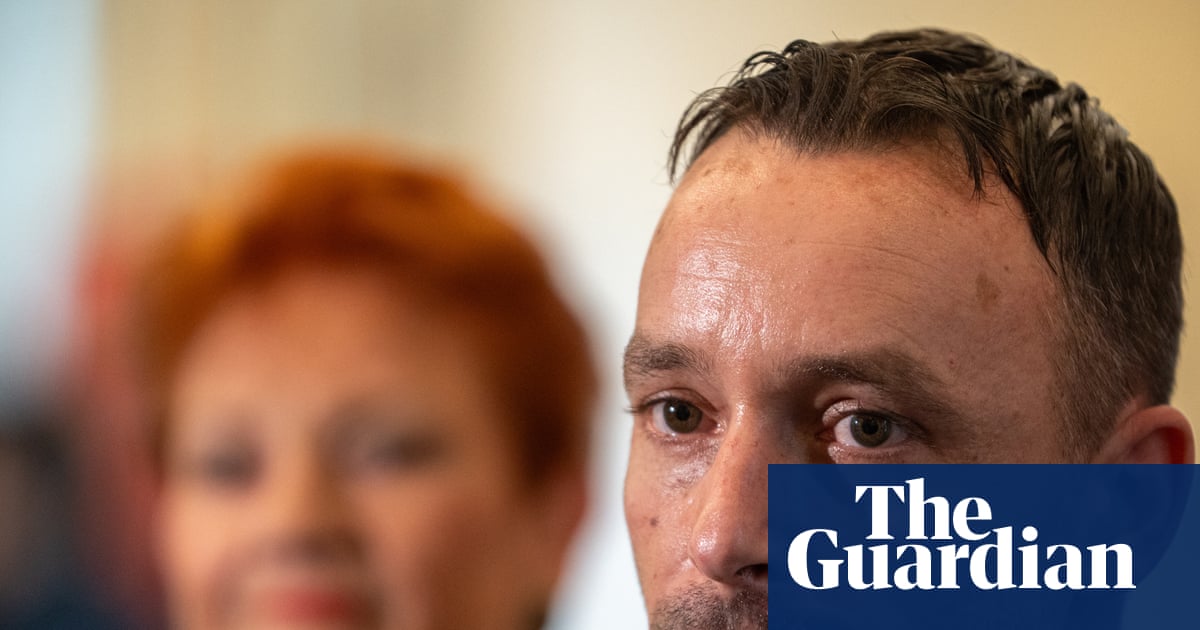
Warren Pickering, the newly unveiled One Nation leader for Victoria’s upcoming November state election, has drawn scrutiny for past remarks that cast doubt on the practicality of the party’s flagship immigration policy. In podcast interviews conducted in April 2025 and earlier, Pickering described mass deportations as “not a reality” in Australia and asserted that such measures would not occur in any Western country. These comments stand in contrast to the federal leadership’s continued advocacy for removing tens of thousands of visa overstayers, highlighting potential fissures within the party’s strategic direction.
Pickering, who will contest the ultra-marginal seat of Pakenham, previously told conservative podcast hosts that while he supported the broader goals of abolishing multiculturalism and deporting 75,000 people, the actual execution of mass removals was unfeasible. He argued that isolating new Australians from communities hinders assimilation into Australian culture and lifestyle. Pickering emphasized that One Nation would not discriminate against existing citizens, suggesting a distinction between policy rhetoric and administrative capability that remains unaddressed in official party platforms.
The federal leadership has yet to provide detailed mechanisms for implementing mass deportations, despite Pauline Hanson’s enthusiastic endorsement of the concept in recent media appearances. Senator Malcolm Roberts, a One Nation member, has previously advocated for the “remigration” of international students and visa overstayers, citing figures as high as 100,000 individuals. However, the party has consistently declined to outline how such a large-scale operation would be managed, leaving critics and supporters alike uncertain about the logistical and legal pathways required to achieve these numbers.
Beyond immigration policy, Pickering’s interviews revealed admissions regarding the party’s electoral tactics, specifically the use of “ghost candidates” in previous election cycles. He described these individuals as non-active members who did not actively campaign but were listed to harvest Senate votes and secure public funding entitlements. Pickering noted that this strategy helps boost upper house bids by increasing the number of lower house representatives on the ballot, a practice he claimed is common among most political parties in certain seats where active candidates are unavailable or unwilling to incur campaign costs.
In a 2022 interview, Pickering explained that some electorates lacked active candidates because individuals were reluctant to take time off work or risk financial loss without guaranteed returns. He acknowledged that these “ghost candidates” were real people drawn from the party’s membership base but remained largely invisible during campaign periods. While stating that One Nation has since expanded its ranks of physical candidates, he conceded that a few seats still rely on this method to achieve upper house objectives, raising questions about transparency in electoral participation.
Pickering also used these platforms to critique older politicians, suggesting that those over the age of 55 should step aside and allow younger representatives to take the lead. He characterized senior political figures as “dinosaurs” who are out of touch with current demographics and argued that people need to engage in politics at a younger age to carry the baton effectively. This generational critique appears aimed at distancing One Nation from the aging leadership profiles seen in major parties, positioning the party as a vehicle for fresh political voices despite its long-standing federal figures.
The revelation of these comments comes as One Nation prepares for a critical state election in Victoria, where Pickering’s role will be pivotal in shaping the party’s local strategy. His skepticism about mass deportations contrasts sharply with the federal narrative, potentially confusing voters who expect uniformity in policy positions across different levels of government. The lack of detailed policy explanations from the federal leadership leaves room for interpretation, allowing state leaders like Pickering to frame issues according to local realities rather than strict adherence to national rhetoric.
As the election approaches, the party faces pressure to clarify its stance on immigration and electoral practices. Pickering’s admission that mass deportations are unlikely to happen challenges the core appeal of One Nation’s federal platform, which relies heavily on tough border control messaging. The use of non-active candidates further complicates the party’s image, suggesting a pragmatic approach to funding and vote maximization that may not align with the grassroots authenticity often claimed by populist movements.
Observers will be watching closely to see how Pickering reconciles these past statements with his current campaign promises. If he maintains that mass deportations are impractical, it could signal a shift in One Nation’s policy direction or indicate internal disagreements about feasibility versus ideology. The party’s ability to present a cohesive message will be tested as voters weigh the credibility of its leadership against the consistency of its platform.
The broader implications extend beyond Victoria, as other state branches may face similar pressures to align with federal expectations while navigating local political landscapes. Pickering’s comments underscore the challenges of maintaining a unified national brand when individual leaders hold divergent views on key policy issues. As One Nation seeks to expand its influence, resolving these discrepancies will be essential for sustaining long-term electoral success and public trust.
Sources behind this briefing
Go to the original reporting
- The Guardian World↗‘Won’t happen’: One Nation Victoria leader’s comments raise questions about Hanson’s mass deportations policy

