The short version
- One Nation leader Barnaby Joyce labeled comments by a former candidate describing homosexuality as a mental illness as highly offensive and outside acceptable political boundaries.
- The controversy emerges as the party prepares for the Victorian state election, following previous incidents involving candidates with serious legal or ethical issues.
- Advocacy groups condemned the remarks as harmful and inconsistent with contemporary Australian values, while Joyce attributed vetting failures to rapid organizational growth.
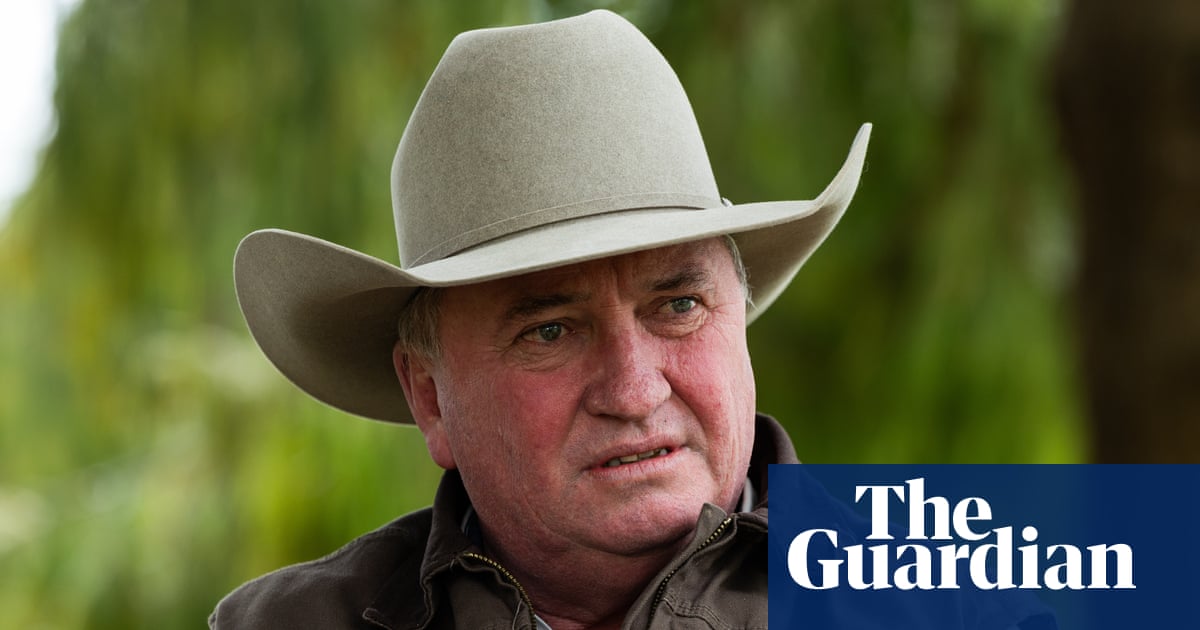
Barnaby Joyce, a prominent figure in Australia’s One Nation party, has publicly distanced his political organization from homophobic statements made by Parminder Singh, a former candidate for the Western Australian Legislative Council. The remarks surfaced recently after media outlets reported on a video in which Singh described same-sex attraction as a mental illness and expressed opposition to marriage equality legislation. Joyce characterized the comments as deeply offensive and inconsistent with the party’s stated values of tolerance and egalitarianism.
Singh, who placed third on One Nation’s ticket during the 2025 Western Australian election, made the controversial statements in an interview with online personality Jasky Singh. In the recording, he argued that LGBTQ+ individuals should not publicly display their sexuality, referring to such actions as unnecessary parades. Although Singh claimed he did not harbor personal animosity toward gay people, his characterization of homosexuality as a psychological condition drew immediate criticism from advocacy groups and political observers.
Joyce responded to the controversy on ABC’s Afternoon Briefing program, noting that while he lacked the authority to formally disendorse past candidates, the views expressed were unacceptable. He emphasized that One Nation includes a significant number of LGBTQ+ members, including South Australian MP James Virgo, who is openly gay. Joyce described his party as one of the most inclusive in the country regarding sexual orientation, asserting that Singh’s perspective fell well outside the cultural guardrails the organization seeks to uphold.
The incident has reignited scrutiny over One Nation’s candidate vetting procedures, which have faced criticism for lacking rigorous background checks. This is not the first time the party has been forced to withdraw a candidate due to serious allegations. Earlier this year, One Nation removed Aoi Baxter from its South Australian ticket after reports emerged that he was subject to an arrest warrant in the United Kingdom related to alleged sexual misconduct. These episodes have raised questions about the party’s ability to screen applicants effectively as it expands its political footprint.
Anna Brown, chief executive of Equality Australia, condemned Singh’s remarks as demonstrably false and harmful. She noted that such views are thoroughly discredited by modern scientific understanding and inconsistent with the values held by the majority of Australians. Brown pointed to the 2017 postal survey results, in which nearly two-thirds of participants supported marriage equality, as evidence that contemporary Australian society has moved beyond the outdated perspectives voiced by Singh.
Joyce acknowledged the challenges associated with rapid organizational growth, suggesting that internal resources have struggled to keep pace with increasing membership and applicant numbers. He described these issues as growing pains inherent to a party expanding its reach across multiple states. As One Nation prepares for the upcoming Victorian state election in November, Joyce indicated that the party aims to improve its selection processes and become more proficient in managing candidate vetting.
The controversy underscores the tension between One Nation’s populist appeal and its efforts to present itself as a mainstream political force. While the party has sought to broaden its base by emphasizing inclusivity, incidents like Singh’s remarks threaten to undermine those efforts. Critics argue that without stricter oversight, the party risks being associated with views that alienate moderate voters and contradict its stated commitment to Australian cultural norms.
As the election cycle progresses, One Nation faces pressure to demonstrate that it can balance rapid expansion with responsible candidate selection. The party’s leadership has signaled a commitment to refining its internal processes, but the effectiveness of these measures remains to be seen. Voters will likely weigh these developments against the party’s policy positions and overall credibility in the coming months.
The response from advocacy groups and political figures highlights the broader societal shift toward greater acceptance of LGBTQ+ rights in Australia. While isolated incidents like Singh’s comments may reflect lingering prejudices, they are increasingly viewed as outliers rather than representative of mainstream opinion. One Nation’s ability to navigate this landscape will depend on its capacity to enforce consistent standards across all levels of its organization.
In the immediate term, the party must address the reputational damage caused by these revelations while preparing for a critical election in Victoria. The outcome may influence how voters perceive One Nation’s reliability and alignment with contemporary values. As Joyce has stated, maintaining adherence to accepted social norms remains a key policy priority, even as the party continues to grow and evolve.
Sources behind this briefing
Go to the original reporting
- The Guardian World↗Barnaby Joyce claims One Nation ‘one of the gayest parties in Australia’ as former candidate’s comments surface

