The short version
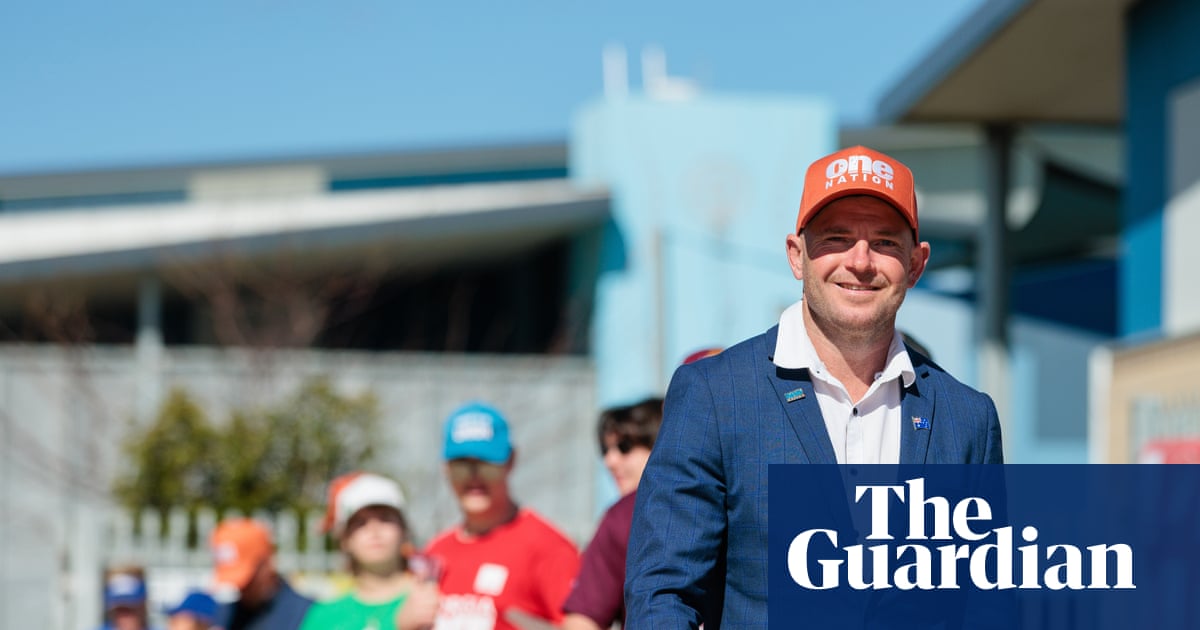
- One Nation candidate Luke Herdegen leads with 57% of the vote after preferences in the Secret Harbour byelection, defeating Labor's Georgia Tree.
- The result challenges the perception of Labor's security in Western Australia, with party leaders acknowledging significant pressure from cost-of-living concerns and housing issues.
- Voter interviews reveal a mix of support for One Nation's local candidate and skepticism toward major parties, while some residents remain critical of the party's national leadership.
One Nation has claimed victory in the Secret Harbour state byelection in Western Australia, marking a significant development in the region’s political landscape. With approximately three-quarters of the vote counted, candidate Luke Herdegen holds a commanding lead over Labor’s Georgia Tree, securing 57% of the two-party preferred vote compared to Labor’s 42%. The contest was triggered by the mid-term retirement of senior minister Paul Papalia, who held the seat for the incumbent government. This outcome has drawn immediate attention from political analysts and party leaders alike, as it occurs in an electorate previously considered a safe harbor for the Labor Party.
Rod Caddies, the leader of One Nation in Western Australia, declared victory late on election night, asserting that the result demonstrates there are no longer any secure seats for Labor within the state or across the nation. He characterized the win as an event that would send shockwaves throughout the country, suggesting a broader realignment of voter preferences. The visual presence of the party was notable at polling booths in the beachside electorate south of Perth, where supporters displayed strong enthusiasm for Herdegen’s campaign. This momentum appears to have translated into tangible electoral support, challenging the established dominance of major parties in this outer-suburban area.
The Western Australian Premier, Roger Cook, acknowledged the difficulty of retaining the seat, describing it as a battle rather than a foregone conclusion. While he expressed personal disappointment at the prospect of defeat, he noted that byelections often amplify various issues that can impact voter behavior differently than general elections. The contest highlighted deep-seated concerns among residents regarding economic pressures, specifically the cost of living and housing affordability. Additionally, voters cited a perceived lack of community amenities as a significant factor in their decision-making process. These local grievances appear to have resonated more strongly with some constituents than traditional party loyalty.
On the ground, voter sentiment reflected a desire for change and a skepticism toward the major political establishments. Local resident Luke Pors, who voted for One Nation, expressed confidence that the party would perform better than either Labor or the Liberal Party. He emphasized trust in One Nation’s intentions, contrasting it with his view of the other parties. Other voters, such as retirees Ann and Les Scard, praised Herdegen’s campaign efforts and felt he deserved an opportunity to represent the community. They perceived attempts by major parties to discredit One Nation as desperate and largely unsuccessful, indicating a level of resilience in the party’s local support base.
Herdegen attributed the strong performance to widespread frustration with current economic conditions. He pointed to struggles with the cost of living and housing issues exacerbated by mass immigration as key drivers behind voter dissatisfaction. This narrative aligns with broader themes often emphasized by One Nation, linking local economic hardships to national policy decisions. However, not all residents shared this perspective. Retired truck driver Dean Maxwell voted for Labor and placed One Nation last on his ballot. He criticized the party’s policies and expressed particular disdain for Pauline Hanson, suggesting she was influenced by wealthy interests rather than representing working-class values.
The divide in voter opinion underscores the complex dynamics at play in this electorate. While some residents are drawn to One Nation’s populist messaging and local candidate appeal, others remain firmly opposed to the party’s national leadership and policy positions. This polarization highlights the challenges faced by major parties in addressing diverse community concerns effectively. The byelection serves as a microcosm of broader national trends, where economic anxiety and dissatisfaction with traditional political structures are influencing electoral outcomes. As such, the result may have implications beyond Western Australia, particularly in states like Victoria, which is scheduled to hold its own state election later this year.
Looking ahead, the significance of this victory will likely be assessed in the context of upcoming elections across Australia. Political observers will monitor whether this shift represents a temporary anomaly or a sustained trend favoring populist movements. For Labor, the loss in Secret Harbour poses immediate challenges in rebuilding support in similar electorates. Meanwhile, One Nation may leverage this win to strengthen its position and expand its influence in other regions. The coming months will reveal how these dynamics evolve and whether the issues highlighted in this byelection continue to shape voter behavior nationwide.
Sources behind this briefing
Go to the original reporting
- The Guardian World↗One Nation claims victory on Secret Harbour byelection in Western Australia

