The short version
- Omaha Public Schools banned the use of electric shock gloves by police officers on campus following concerns raised by the superintendent and community members.
- Neighboring Bellevue schools and police maintain that the devices are safe and effective, refusing to alter their current protocols despite the controversy.
- The decision underscores a broader debate over the role of less-lethal force in educational settings and the consistency of safety standards across metro districts.
Omaha Public Schools has formally requested that law enforcement officers stationed within its buildings cease carrying electric shock gloves, marking a significant shift in how the state’s largest school district manages campus security. The Omaha Police Department agreed to this request shortly after it was made, ensuring that resource officers will no longer deploy these specific devices in middle and high schools under the district’s jurisdiction. This development follows revelations regarding federal plans to distribute similar technology to immigration enforcement agents, prompting local scrutiny of how such tools are utilized in educational environments.
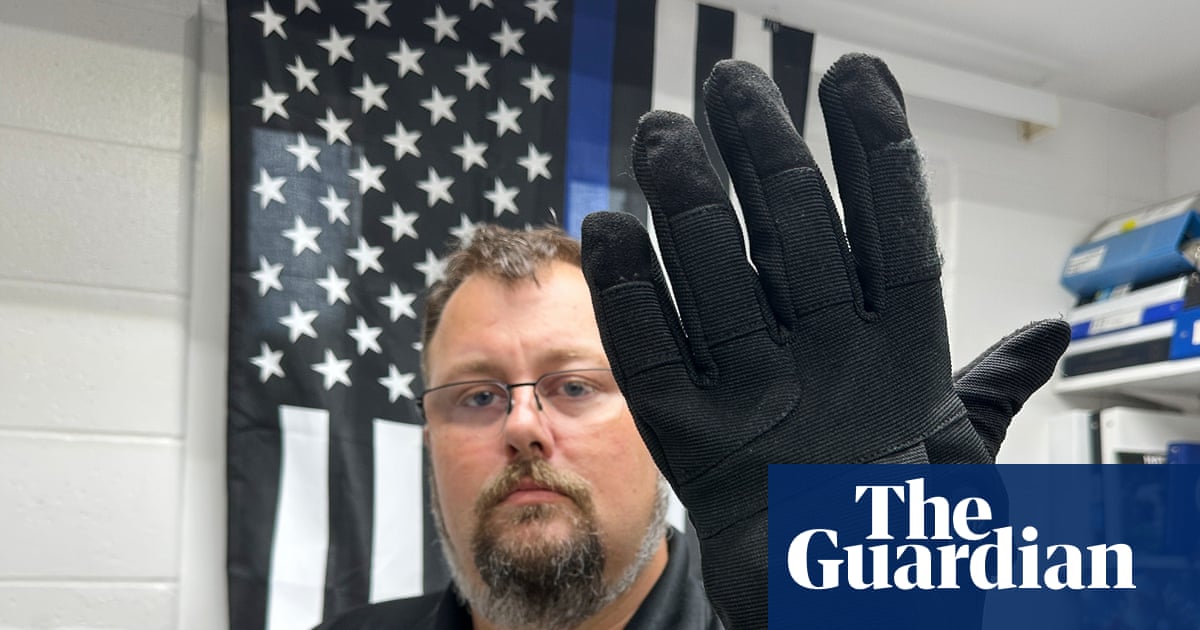
The controversy centers on gloves capable of delivering low-voltage electric shocks, which manufacturers describe as a less-lethal option for gaining compliance from individuals who refuse commands. Prior to the ban, Omaha police had used these devices twice during the previous academic year. While officials defended the technology as a safer alternative to more aggressive physical force, the presence of such weapons in schools sparked immediate concern among parents, students, and board members. Critics argued that the use of electric shocks creates an intimidating atmosphere that undermines the trust necessary for resource officers to function effectively as supportive figures within the school community.
Matthew Ray, the superintendent of Omaha Public Schools, stated that he had only recently become fully aware of the gloves’ deployment, despite evidence suggesting district officials had knowledge of their existence since at least 2023. Emails obtained by local media indicate that police notified districts about equipping officers with the devices years ago. Ray emphasized that continuing to allow the use of shock gloves would be counterproductive to the collaborative relationship between the school system and law enforcement. He highlighted the importance of maintaining a safe environment where students feel comfortable seeking help from resource officers without fear of being subjected to electric shocks.
Community reaction at recent school board meetings was overwhelmingly negative toward the presence of shock gloves. Approximately thirty residents and board members spoke out against the practice, expressing dismay that adults entrusted with student safety would carry weapons capable of electrocuting peers in hallways. One high school senior noted that such devices create a barrier between students and the officers who are supposed to assist them. No one at the meeting voiced support for keeping the gloves, reflecting a strong consensus within the Omaha district community that these tools have no place in schools.
In contrast, neighboring jurisdictions have taken a different stance on the issue. The Bellevue Police Department, which patrols two Omaha schools as well as its own large suburban district, has announced it will continue to equip officers with shock gloves. Bellevue officials cited a strong working relationship with their school district and expressed confidence in the safety and effectiveness of the devices. Police Chief Ken Clary stated that he is uncomfortable removing a tool that has proven less harmful than other alternatives, noting that his department has carried the gloves for more than three years without significant incident.
Other major school districts in the metropolitan area have not yet taken action to restrict the use of shock gloves by Omaha police officers assigned to their buildings. Representatives from Millard, Elkhorn, and Westside districts did not immediately respond to requests for comment regarding their policies on the matter. This lack of uniformity raises questions about how consistent safety standards are applied across the region, particularly when students in different districts may be subject to varying levels of force depending on which police department patrols their campus.
Experts in school safety have called for careful consideration before adopting new technologies like shock gloves. Ken Trump, a consultant specializing in school security, warned that less-lethal does not necessarily mean low risk. He suggested that districts must address critical questions regarding how officers will respond to students with disabilities or medical conditions, how parents will be informed about the presence of such devices, and under what specific circumstances they can be deployed. These concerns highlight the complexity of integrating law enforcement tools into educational settings.
Despite the ban on shock gloves, Omaha police officers will continue to carry other standard equipment, including stun guns, batons, pepper spray, and firearms. Mayor John Ewing Jr., who helped establish the school resource officer program, confirmed that the department respects the school district’s decision to opt out of using the gloves. The city previously spent approximately $66,000 on forty pairs of the devices, indicating a significant investment in this technology before its restricted use in schools. As students return to class, the differing approaches to campus security will likely remain a topic of discussion among policymakers and community members.
The incident underscores the ongoing tension between enhancing officer safety through advanced tools and preserving a welcoming environment for students. While Omaha has moved to remove shock gloves from its schools, the continued use of these devices in neighboring areas suggests that regional consensus on school safety protocols remains elusive. The coming months may reveal whether other districts follow Omaha’s lead or maintain their current practices, potentially leading to further debate over the appropriate role of law enforcement technology in education.
Sources behind this briefing
Go to the original reporting
- The Guardian US↗Nebraska school district asks police to stop using shock gloves on students

