The short version
- Ryan Bassham surrendered to authorities after being charged with two counts of first-degree murder following a fatal explosion at his cannabis extraction business.
- Investigators found significant safety violations, including an outdated fire suppression system and the presence of hazardous materials like liquid propane that were not present during earlier inspections.
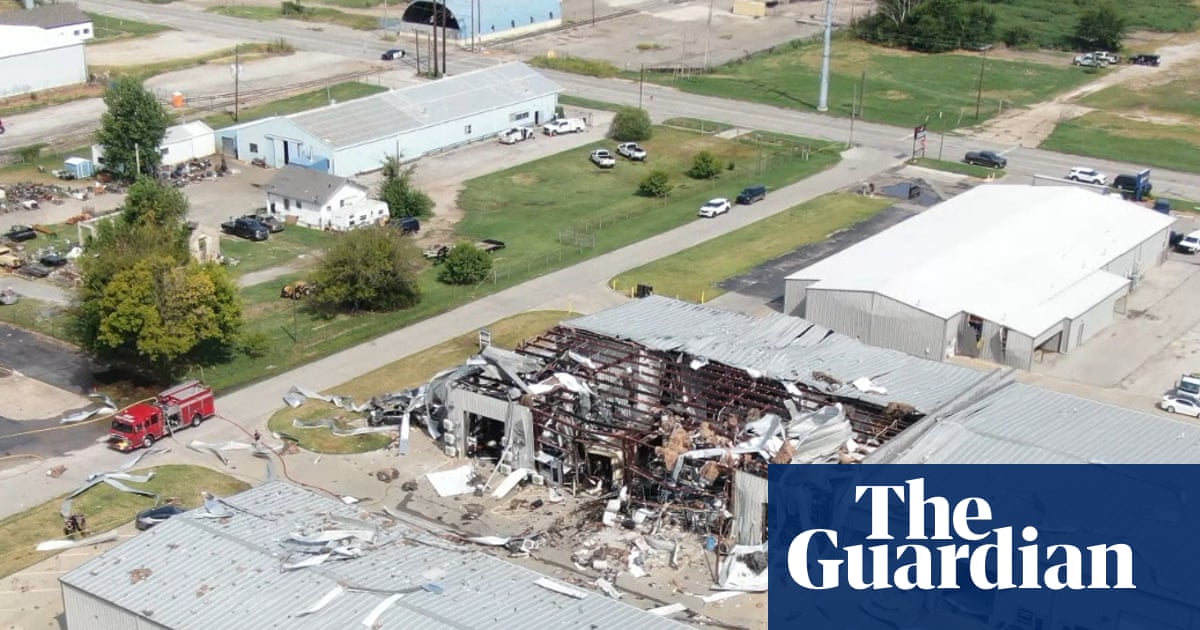
- The blast occurred early in the morning near Tulsa, killing two employees and causing structural damage to surrounding businesses in an industrial park.
Prosecutors in Oklahoma have charged Ryan Bassham with two counts of first-degree murder following a catastrophic explosion at a marijuana extraction facility he owns. The incident occurred early Thursday morning near Tulsa, resulting in the deaths of two employees and causing substantial damage to adjacent commercial properties within an industrial park. Bassham, 35, voluntarily surrendered to law enforcement over the weekend after the charges were filed. He was subsequently booked into a Tulsa jail facility but was released after posting a bond set at $2 million.
The explosion, which happened around 1 a.m., generated enough force to partially remove the roof of the building and crumple exterior doors. Debris from the blast was scattered throughout the surrounding area, impacting multiple neighboring businesses. While no other individuals were reported injured in the immediate vicinity, the structural integrity of nearby facilities was compromised. Authorities have confirmed that the two victims, Michael Newman and Stephen Scott, were employees working for Bassham at the time of the disaster.
Court records indicate that investigators believe Bassham acquired Solos Extracts earlier this year. A fire marshal had inspected the facility in January, noting an outdated fire suppression system and equipment typically associated with marijuana manufacturing. However, upon returning to the site after the explosion, the marshal discovered large quantities of liquid propane and other hazardous materials that were not present during the initial inspection. These findings suggest a significant change in the operational conditions of the facility between the two visits.
Prosecutors argue that the employees were unlawfully manufacturing hazardous chemicals, which ultimately led to the detonation. Adam Jones, a spokesperson for the Tulsa district attorney’s office, stated that authorities believe the handling of these substances violated safety protocols. The presence of unregulated or improperly managed chemical processes appears to be central to the criminal charges brought against Bassham. The legal team has not yet publicly commented on the specific nature of the alleged violations beyond the general assertion of unlawful manufacturing.
Details regarding the moments leading up to the explosion have emerged from emergency response records. Michael Newman, one of the deceased employees, was conscious when paramedics arrived at the scene. While being transported to the hospital, he reportedly told medical personnel that the area lacked adequate ventilation. He also indicated that the explosion occurred shortly after he unplugged a piece of equipment. Newman later succumbed to his injuries at the hospital. Stephen Scott also died as a result of the blast.
Concerns about safety at the facility had been raised prior to the incident. The owner of a neighboring marijuana manufacturing business told police he had spoken with Bassham earlier in the year after detecting high levels of carbon dioxide on a building sensor. This neighbor described experiencing lightheadedness upon entering the building, suggesting potential ventilation or gas accumulation issues were known to those in the immediate vicinity. Despite these warnings, no public record indicates that regulatory bodies shut down the operation before the explosion occurred.
The facility was reportedly seeking an updated marijuana license and narcotics registration at the time of the incident. Medical marijuana is legal in Oklahoma, but the extraction process involves complex chemical procedures that carry inherent risks if not properly managed. The fire marshal’s report highlighted the discrepancy between the equipment found in January and the hazardous materials discovered after the blast, pointing to a rapid escalation in dangerous conditions within the facility.
As of now, court records do not list an attorney for Bassham. Attempts to reach him or his business directly have been unsuccessful, with phone numbers listed for both being inactive or unreachable. The Associated Press left a message with a law firm that had previously represented Bassham, but no immediate response was received. The case is expected to proceed through the Oklahoma judicial system, where prosecutors will need to demonstrate criminal negligence or intent regarding the safety violations that led to the deaths.
This incident underscores the ongoing challenges in regulating cannabis extraction facilities, particularly those involving volatile solvents and high-pressure systems. While the state permits medical marijuana use, the enforcement of safety standards for manufacturing operations remains a critical issue. The discovery of liquid propane and other hazardous materials not present during earlier inspections raises questions about oversight and compliance monitoring within the industry.
Further investigations are likely to focus on the timeline of events leading up to the explosion and the specific actions taken by Bassham and his employees. The presence of carbon dioxide warnings and ventilation complaints suggests that safety concerns were not new, yet the facility remained operational. As legal proceedings unfold, details regarding the exact cause of the blast and the extent of liability will become clearer, potentially influencing future regulatory measures for cannabis businesses in Oklahoma.
Sources behind this briefing
Go to the original reporting
- The Guardian US↗Oklahoma man charged with murder after two die in marijuana facility blast

