The short version
- Republican gubernatorial candidate Vivek Ramaswamy faces widespread criticism after an attack ad featuring Amy Acton’s estranged mother aired without full context regarding past abuse allegations.
- Outgoing Governor Mike DeWine and other Republicans have distanced themselves from the spot, while President Donald Trump defended the strategy and urged continued attacks.
- Ohio election officials are investigating whether the advertisement violated state laws requiring clear disclosure of funding sources.
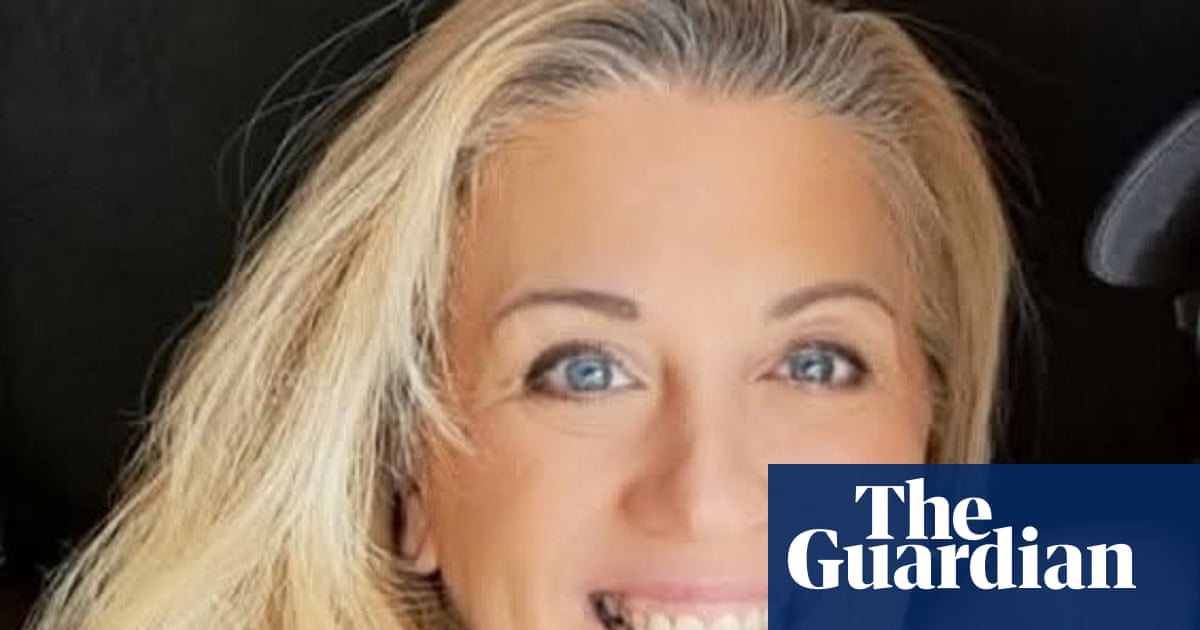
The race for Ohio governor has taken a sharp turn following the release of a controversial political advertisement that has drawn condemnation from across the political spectrum. The spot, produced by Republican candidate Vivek Ramaswamy’s campaign, features Donna Arthur, the estranged mother of Democratic nominee Amy Acton. In the video, Arthur accuses Acton of dishonesty and suggests she requires assistance, but the narrative omits critical background details regarding their fractured relationship.
Acton has responded to the advertisement with strong disapproval, labeling the tactic as despicable. She emphasized that her campaign has never engaged in personal attacks on opponents’ families. According to Acton’s team, the last time she saw her mother was during a courtroom proceeding in 1978. At that time, Arthur’s husband faced charges related to the sexual abuse of Acton and her brother. The couple subsequently fled the state before trial could proceed, leaving custody of the children with other guardians.
The omission of this history has become a central point of contention. While Arthur’s statements in the ad focus on character flaws, they do not mention the allegations that led to the family’s separation or the fact that Acton and her brother were removed from her care. Acton’s brother released his own statement earlier in the week, recounting the abuse he suffered as a child and criticizing Ramaswamy for leveraging sexual assault narratives for political gain. This contrast has highlighted the selective nature of the Republican campaign’s messaging.
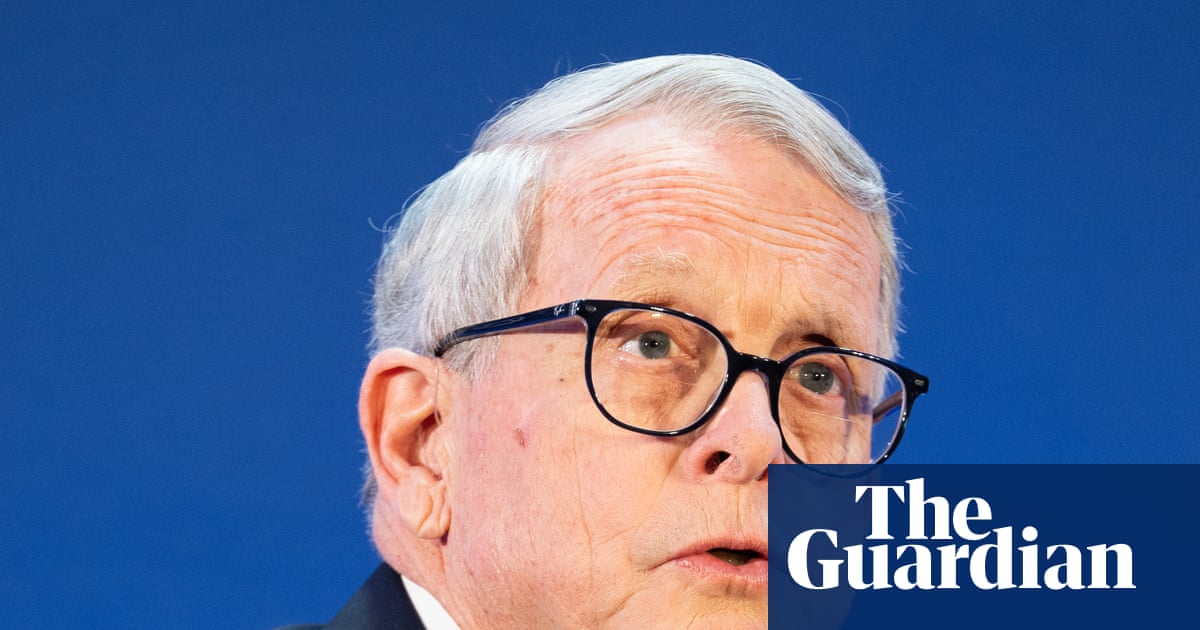
Reaction within the Republican Party has been mixed but increasingly critical. Outgoing Governor Mike DeWine, who endorsed Ramaswamy, reportedly described the advertisement as deeply troubling and called for its immediate removal. His stance signals a potential fracture in party unity ahead of the November midterm election. Former Congressman Jim Renacci suggested on social media that the ad could severely damage Republican prospects in Ohio, warning that failure to distance oneself from the spot might harm other candidates associated with the campaign.
Despite internal criticism, President Donald Trump has vigorously defended Ramaswamy and the advertisement. In a lengthy social media post, Trump blamed the press for the negative reaction and praised Arthur’s willingness to speak out. He urged Ramaswamy to maintain his aggressive strategy, arguing that opponents should be held accountable through such personal attacks. Trump also criticized DeWine for his response, framing the backlash as an overreaction by political elites rather than a legitimate concern about campaign ethics.
Vice President JD Vance echoed Trump’s sentiment, asking fellow Republicans to stop complaining about the advertisement. He expressed disgust at the criticism coming from within his own party, suggesting that such tactics are standard in modern political warfare. However, the intensity of the backlash suggests that this particular strategy may have crossed a line for many voters and party members. The Columbus Dispatch editorial board endorsed Acton following the ad’s release, describing it as revolting and unsettling.
Legal questions surrounding the advertisement have also emerged. Ohio Secretary of State Frank LaRose announced that his office is reviewing complaints regarding the spot. Investigators are looking into whether the ad initially aired without a legally required disclaimer identifying the entity responsible for paying for its broadcast. Ramaswamy claimed responsibility for the ad on social media shortly after its release and stated that his campaign intended to spend millions of dollars to air it statewide.
The political implications of this controversy remain uncertain. Polling data released before the advertisement aired showed Acton leading Ramaswamy by a narrow margin, within the statistical error range. If Acton wins in November, she would become the first Democrat elected governor of Ohio in twenty years. Political analysts suggest that the ad may reflect desperation within Ramaswamy’s campaign to shift momentum. As the election approaches, the fallout from this incident could significantly influence voter sentiment and party cohesion in a key battleground state.
Sources behind this briefing
Go to the original reporting
- BBC World↗'This is despicable': Amy Acton responds to Ohio attack ad featuring her estranged mother