The short version
- October inflation rose by 0.4 percent, slightly exceeding forecasts but reflecting a deceleration from previous months as energy costs moderated.
- The Federal Reserve faces difficult policy choices with strong labor market data supporting potential rate hikes despite persistent inflation driven largely by geopolitical energy shocks.
- Consumer sentiment improved among lower-income groups due to cheaper gas, while wealthier investors expressed anxiety over artificial intelligence spending and stock market volatility.
New economic data released on Monday indicates that the pace of price increases in the United States slowed during October, rising by 0.4 percent from the previous month. This figure was marginally higher than what economists had anticipated, yet it represents a cooling trend compared to the sharper jumps seen earlier in the year. The Bureau of Labor Statistics noted that this monthly change occurred against a backdrop of declining gasoline costs, which helped temper overall inflationary pressure. However, the agency did not provide the standard year-over-year comparison for the consumer price index because data collection was halted during a government shutdown in October 2025.
Energy prices remain the dominant force shaping current inflation trends, largely due to ongoing conflicts involving Iran that have disrupted global supply chains since late February. Since those hostilities began, annualized inflation has consistently hovered above 3 percent, peaking at 4.2 percent in May before settling into a range between 3.4 and 3.7 percent for several months. While energy costs continued to climb slightly in October, the rate of increase was less severe than the 0.6 percent jump recorded in September. This moderation suggests that the immediate shock to fuel prices may be stabilizing, though the underlying geopolitical risks persist.
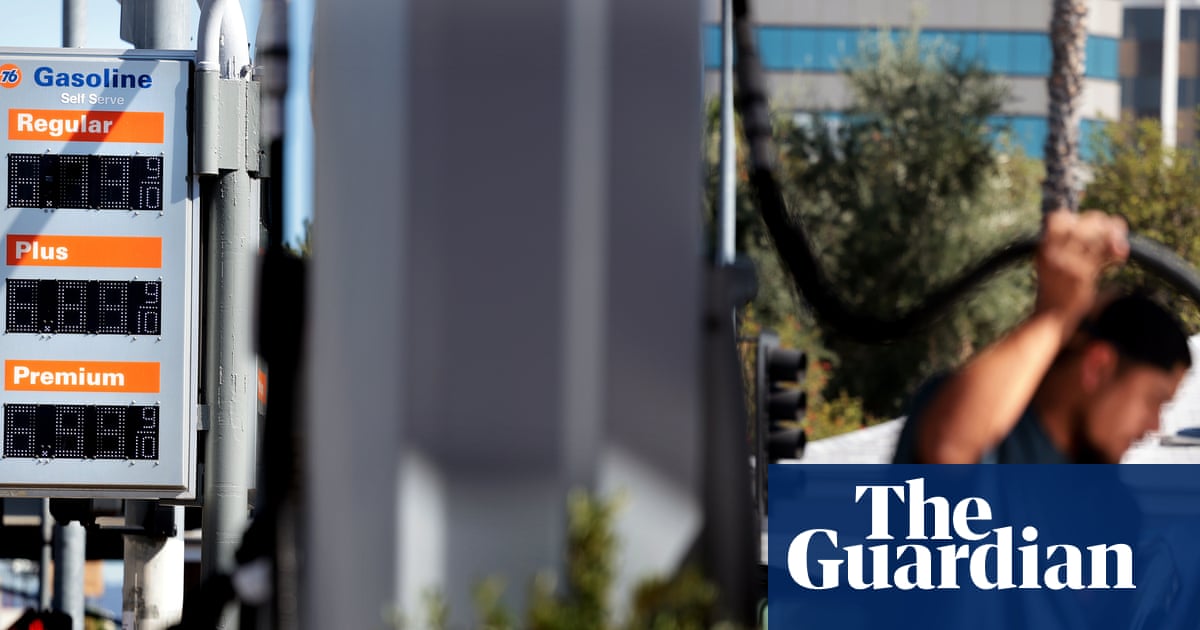
Gasoline prices at the pump have shown signs of easing, dropping from an average of $4.41 per gallon at the start of October to $4.22 by month’s end. Despite this decline, consumers are still paying more than a dollar more per gallon compared to the same period last year, according to data from AAA. Notably, the national average fell below the four-dollar threshold for the first time since July, providing some relief to drivers. Diesel prices, which impact transportation and agricultural sectors significantly, have also retreated from their peaks but remain nearly $2.50 higher than they were a year ago.
These economic developments arrive in the wake of midterm elections that resulted in Democratic control of Congress, a shift widely interpreted as a voter rebuke against Republican leadership on issues of affordability. Party officials, including JD Vance, have acknowledged that frustration over high gas prices played a critical role in their electoral losses. The political implications of these price trends are likely to influence legislative priorities and public discourse in the coming months, particularly as households continue to feel the strain of elevated living costs.
The Federal Reserve is now weighing its next moves with caution, balancing persistent inflation against a resilient labor market. In September, the central bank raised interest rates for the first time since 2023, and another increase is expected at their December meeting. Higher borrowing costs are intended to slow economic activity and curb price growth, aiming for the Fed’s target of 2 percent annual inflation. Recent data showing stronger-than-expected job growth and an unemployment rate steady just above 4 percent gives policymakers room to maintain a restrictive stance without triggering immediate recessionary fears.
Federal Reserve Chair Kevin Warsh emphasized the institution’s commitment to preventing temporary price spikes from becoming entrenched across the broader economy. Speaking in late October, he stated that their objective is to ensure inflation expectations remain anchored, even as specific sectors experience volatility. The challenge lies in determining how effectively rate hikes can counteract inflation driven primarily by external energy shocks rather than domestic demand pressures. Uncertainty remains regarding the speed and magnitude of price relief that monetary policy can achieve under these conditions.
Consumer confidence reflects a divided response to these economic signals. According to the University of Michigan’s Survey of Consumers, sentiment improved slightly at the end of October among lower- and middle-income households as gas prices eased. However, this optimism was not shared by wealthier consumers, whose confidence fell by 5 percent amid stock market turbulence. Joanne Hsu, director of the surveys, noted that comments from respondents revealed growing anxiety about a potential bubble in artificial intelligence spending, suggesting that investor skepticism is beginning to permeate broader economic outlooks.
Looking ahead, the interplay between geopolitical energy risks, monetary policy adjustments, and shifting consumer attitudes will define the near-term economic landscape. While October’s data offers some reassurance that price pressures are easing, the absence of year-over-year comparisons limits the ability to fully assess long-term trends. Policymakers and markets alike will be watching closely for signs that inflation is sustainably returning to target levels without compromising labor market stability or triggering broader financial instability.
Sources behind this briefing
Go to the original reporting
- The Guardian World↗US inflation rose 0.4% in October as price increases cooled and gas costs dipped