The short version
- Consumer prices rose 0.4% in October, surpassing analyst expectations of a 0.3% increase and signaling persistent inflationary pressure.
- Federal Reserve officials are increasingly likely to raise interest rates in December to combat broad-based price growth driven by tariffs and energy costs.
- Voters recently shifted congressional control partly due to cost-of-living concerns, creating political headwinds for current economic policies.
United States inflation accelerated more than economists predicted in October, presenting fresh challenges for policymakers attempting to stabilize the economy. The Labor Department reported that the consumer price index increased by 0.4% from September, a figure slightly lower than the previous month’s 0.6% jump but higher than the anticipated 0.3% rise. Core inflation, which excludes volatile food and energy categories, remained steady at a 0.3% monthly increase. Both metrics exceeded forecasts, suggesting that price pressures are becoming entrenched rather than receding as some had hoped.
The absence of year-over-year data for October complicates the broader picture, as a government shutdown last year prevented the release of comparable figures from that period. However, independent estimates suggest annual inflation may have reached 4%, up from 3.7% in September. Core annual inflation is estimated to be around 2.8%. These numbers remain well above the Federal Reserve’s 2% target, indicating that the central bank’s efforts to cool the economy have not yet fully succeeded in bringing price growth under control.
Several factors are contributing to this persistent upward trend. Rising gasoline prices, which surged more than 37% over the past year, continue to exert pressure on consumers. While the monthly increase in gas prices slowed to 1% in October, the cumulative effect remains significant. Additionally, supply chain disruptions linked to global conflicts and new tariff policies have introduced further volatility. The conflict involving Iran has constrained crude oil supplies, pushing prices above $100 a barrel after trading near $70 prior to the escalation.
Tariffs imposed by the Trump administration have also played a role in elevating costs. Although the Supreme Court struck down many of these levies earlier this year, a new 10% global tariff was implemented as a replacement. Research from the Federal Reserve Bank of New York indicates that domestic businesses absorbed nearly 90% of these costs, leading to higher prices for consumer goods. The study found that each percentage point increase in average tariffs resulted in approximately a 0.25% rise in consumer prices after one year.
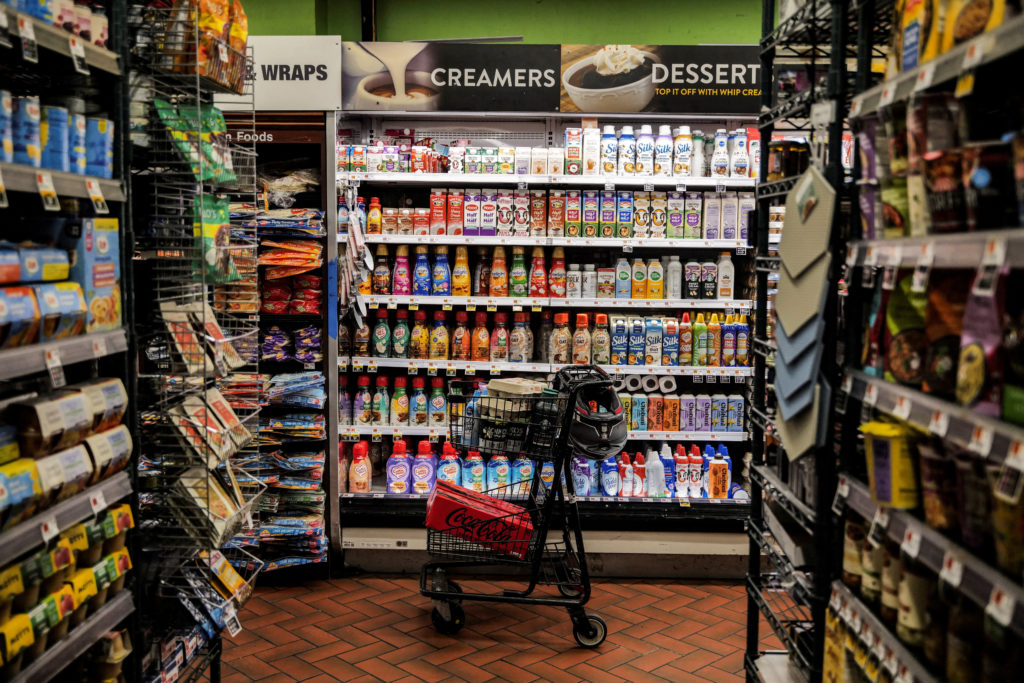
Beyond energy and trade policy, other sectors are experiencing notable price increases. Grocery prices jumped 0.4%, while beef costs rose nearly 1% following a significant surge earlier in the year. Restaurant prices increased by 0.5%, the largest monthly gain since early 2024. These rises are partly driven by higher shipping and delivery costs, which are themselves influenced by expensive fuel. Electricity prices also climbed 0.9%, marking the steepest increase since April.
The technology sector is another unexpected contributor to inflation. Massive investments in artificial intelligence have driven up demand for computer chips, electricity, and consumer electronics. Computer prices rose 0.5% last month, reversing a long-term trend of declining costs associated with more efficient semiconductors. This shift highlights how structural changes in the economy, rather than just temporary supply shocks, are influencing price levels across diverse industries.
Political ramifications of these economic conditions were evident in last week’s midterm elections. Voters expressed strong dissatisfaction with the cost of living, with surveys indicating that nearly nine in ten considered it a major factor in their decisions. This sentiment contributed to Democratic gains in both chambers of Congress. President Trump has acknowledged voter anger regarding gas prices and foreign policy but has not indicated any immediate changes to his economic strategy.
Market reactions to the inflation data were swift, with stock prices falling and Treasury yields rising as investors anticipated tighter monetary policy. Federal Reserve Governor Christopher Waller suggested that a half-point interest rate hike in December is possible, double the standard quarter-point increase. With economic activity remaining strong and the labor market stable, the Fed faces pressure to act decisively to prevent inflation from becoming deeply embedded in consumer expectations.
Looking ahead, the combination of persistent inflation, political pressure, and global uncertainties creates a complex environment for policymakers. The Federal Reserve’s next meeting in December will be critical in determining whether further rate hikes are necessary to bring prices down without stifling economic growth. Consumers may face continued financial strain as higher borrowing costs and elevated prices intersect, potentially influencing future economic behavior and policy debates.
Sources behind this briefing
Go to the original reporting
- PBS NewsHour↗Inflation runs hotter than expected as higher prices extend beyond the gas station
- BBC Business↗US inflation higher than expected in October - here's what is happening with prices


