The short version
- Nvidia has engaged the prestigious New York law firm Wachtell, Lipton, Rosen & Katz to conduct an independent investigation into CEO Jensen Huang’s personal conduct and potential exposure to foreign intelligence efforts.
- The probe follows reports that Huang was involved in a romantic relationship with Alice Huang, an Nvidia customer accused of being a Chinese spy, prompting the company to initially deny improper ties before admitting to marital infidelity.
- Market reaction has been mixed, with shares recovering slightly after initial losses, while analysts offer divergent predictions regarding Huang’s tenure, ranging from a high probability of retention to a fifty-fifty chance of removal.
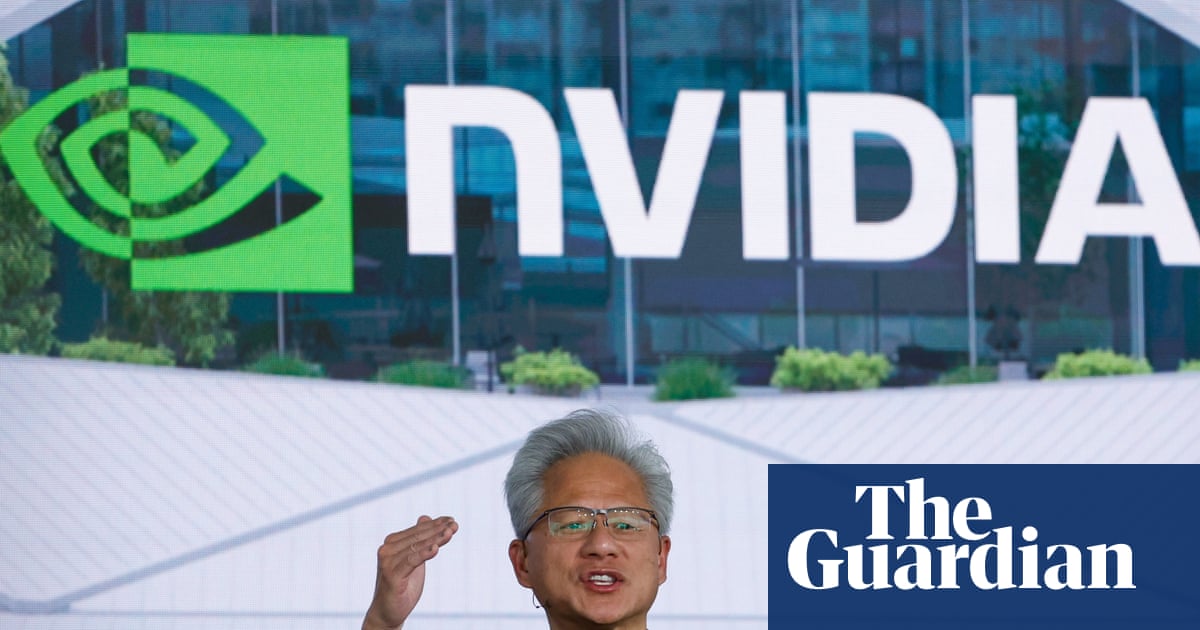
Nvidia Corporation has appointed one of the United States’ most prominent corporate law firms to lead an independent inquiry into the conduct of its chief executive officer. The company selected Wachtell, Lipton, Rosen & Katz, a New York-based practice known for handling complex white-collar criminal defense and crisis management cases. This move comes as the semiconductor giant attempts to stabilize operations following intense public scrutiny regarding CEO Jensen Huang’s personal life and potential vulnerabilities to foreign espionage.
The investigation will be directed by Joon Kim, a partner at Wachtell who previously served as the acting United States attorney for the Southern District of New York. During his tenure in government service, Kim oversaw prosecutions involving securities fraud, money laundering, cybercrime, and sanctions evasion. His background includes high-profile cases such as the investigation into former New York Governor Andrew Cuomo regarding sexual harassment allegations and the prosecution of a banker convicted of helping evade US sanctions on Iran. Nvidia has not disclosed a specific timeline for the inquiry but stated that Huang will continue to lead the company without interruption during the process.
The decision to hire external counsel follows a series of disclosures concerning Huang’s relationship with Alice Huang, an individual who is not related to the executive but was identified as an Nvidia customer. Reports emerged alleging that she was involved in Chinese intelligence activities. Initially, Nvidia denied any improper relationship between its CEO and the Chinese citizen. However, Jensen Huang later admitted to being unfaithful to his wife, though he did not explicitly name Alice Huang in his statement. On the same day he acknowledged marital infidelity, the company announced it was investigating reports that Huang had been targeted by a foreign intelligence effort.
The situation has drawn attention from US government officials concerned about national security implications. David Perdue, the US ambassador to China, commented on the broader context of economic and national security risks in relations with Beijing. He emphasized the need for diligence, noting that economic security is integral to national defense and describing current diplomatic and trade dynamics as turbulent. The involvement of a top-tier law firm signals Nvidia’s intent to address these concerns rigorously, leveraging Wachtell’s reputation for handling sensitive corporate governance issues.
Wachtell, Lipton, Rosen & Katz is widely regarded as one of the most profitable and influential law firms in the country. Founded in the 1960s, the firm has a history of advising on major corporate transactions, including the controversial takeover of Getty Oil by Texaco and the government’s intervention in Fannie Mae and Freddie Mac during the 2008 financial crisis. The firm is credited with inventing the poison pill defense strategy, which protects companies from hostile takeovers. Its financial performance is notable, with recent rankings indicating record-high profits per partner, underscoring its status as a premier choice for high-stakes legal matters.
Financial markets have reacted to the unfolding events with volatility. Nvidia shares experienced significant losses following the initial reports of the scandal but staged a partial recovery in early trading sessions. The stock price climbed nearly four percent, narrowing the decline in market capitalization that had reached hundreds of billions of dollars since the news broke. Broader AI-related stocks also saw gains, supported by strong revenue growth reported by CoreWeave, an AI infrastructure company. This market movement suggests some investor confidence in Nvidia’s ability to manage the crisis, though uncertainty remains.
Analysts are divided on the potential outcome for Jensen Huang’s leadership position. Dan Ives, a technology analyst, estimated that there is only a fifteen percent chance Huang will be removed as CEO, predicting an eighty-five percent probability he will retain his role after the board completes its review. Ives suggested the investigation could take four to six weeks and would likely create a negative overhang on the stock price until further developments emerge. In contrast, Jeffrey Sonnenfeld, a leadership studies expert at Yale School of Management, offered a more cautious assessment, placing Huang’s chances of surviving the scandal at approximately fifty percent.
The case highlights the intersection of personal conduct, corporate governance, and national security in the technology sector. As Nvidia navigates this crisis, the company must balance maintaining operational continuity with addressing serious allegations involving foreign intelligence. The involvement of a former federal prosecutor leading the investigation underscores the gravity of the situation. Investors and stakeholders will be watching closely for findings that could impact Nvidia’s reputation, regulatory standing, and long-term strategic direction in the competitive global chip market.
Sources behind this briefing
Go to the original reporting
- The Guardian US↗Nvidia hires leading US law firm to investigate Jensen Huang’s relationship