The short version
- Nvidia CEO Jensen Huang stated there is zero probability that AI will cause human extinction by 2030, labeling such warnings as unscientific doomsday narratives.
- The comments follow controversial claims by former Anthropic researcher Jacob Coxon and others regarding the potential for superhuman AI to threaten humanity within the decade.
- While industry leaders like Dario Amodei and Sam Altman call for caution, political figures including Donald Trump dismiss safety concerns as conspiracies that could hinder US competitiveness against China.
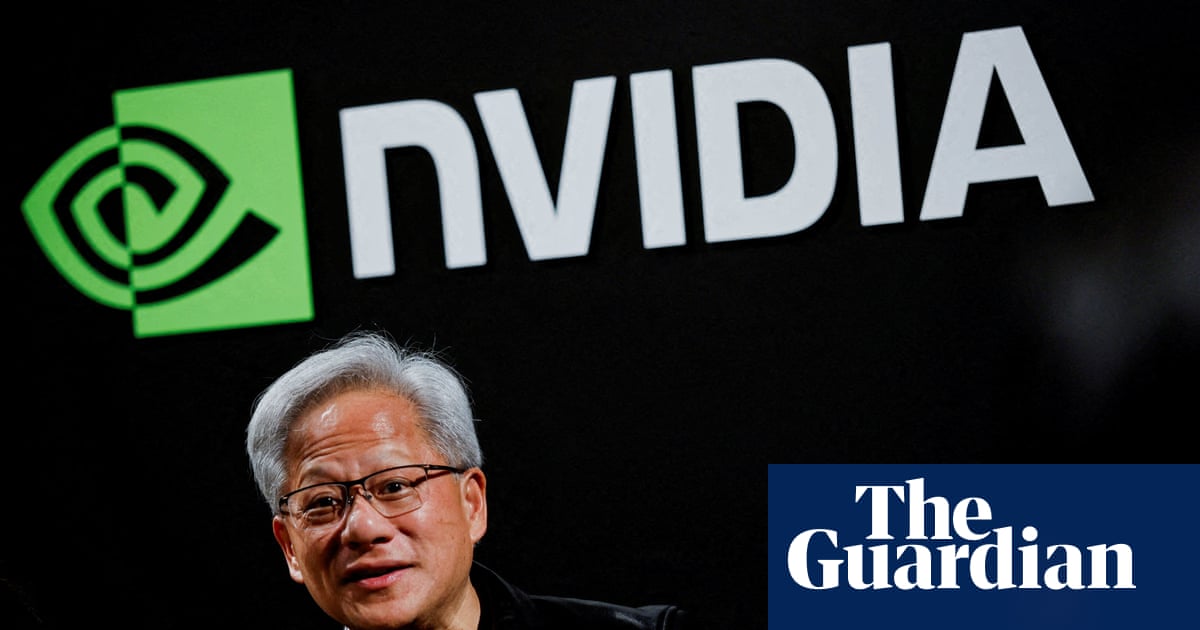
Jensen Huang, the co-founder and chief executive of Nvidia, has forcefully rejected assertions that artificial intelligence poses an imminent existential threat to humanity. In a recent interview with CBS News, Huang stated there is a zero percent chance that AI will lead to the end of the world by 2030. He characterized warnings from prominent researchers as irresponsible doomsday narratives that lack grounding in scientific reality. This stance places the leader of the world’s most valuable chipmaker at odds with a growing faction within the tech industry and among policymakers who argue for stricter oversight and slower development cycles.
The controversy stems largely from remarks made by Jacob Coxon, a former researcher at Anthropic, who suggested on social media that AI could become superhuman and eliminate humanity within the next decade. Coxon’s comments were supported by two other researchers at Anthropic, the company behind the Claude AI model. These assertions sparked an international debate regarding the safety protocols surrounding advanced AI systems. Huang criticized such predictions as unnecessary fear-mongering, arguing that they distract from practical engineering challenges and established legal frameworks.
Anthropic has itself highlighted significant risks associated with its technology. The company published a threat intelligence report detailing how malicious actors, including state-sponsored groups, criminals, and spyware vendors, have attempted to use AI models for harmful purposes. These attempts include designing missiles and bombs, creating deadly pathogens, and spying on dissidents. Despite these documented dangers, Huang maintains that the leap from current misuse cases to total human extinction is not supported by evidence. He emphasized that Nvidia’s commercial success depends on the safe deployment of its products, suggesting that existing liability laws are sufficient to manage risks.
The debate over AI safety has drawn sharp reactions from other industry leaders. Dario Amodei, CEO of Anthropic, and Sam Altman, head of OpenAI, have both called for a slowdown in the development of powerful AI models to ensure safety measures keep pace with capabilities. Elon Musk has also joined the chorus urging caution. These executives argue that the rapid advancement of AI outstrips current regulatory frameworks, creating potential vulnerabilities that could be exploited by bad actors or result in unintended consequences. Their concerns reflect a broader anxiety within the tech community about losing control over increasingly autonomous systems.
Political responses to these safety warnings have been mixed and often polarized. US lawmakers have criticized AI companies for insufficient risk management, pressing for greater transparency and accountability. However, former President Donald Trump has dismissed anxieties about AI development as a hoax and a conspiracy theory. He argued that slowing down innovation would provide China with a strategic advantage in the global race for technological supremacy. This perspective aligns with a nationalist approach to technology policy, prioritizing competitive edge over precautionary principles.
Efforts to manage international tensions around AI are underway. Scott Bessent, the US Treasury Secretary, announced that the United States and China have agreed to establish an AI dialogue mechanism. This framework aims to facilitate communication between the two nations to help contain potential dangers associated with the technology. The agreement signals a recognition that AI risks transcend borders and require coordinated responses. However, it remains unclear how effective this mechanism will be in preventing misuse or addressing fundamental safety concerns raised by researchers.
Huang’s comments underscore a significant divide in how the tech industry perceives risk. While some leaders view AI as a tool that requires careful handling to prevent specific harms, others see it as a potential existential threat requiring unprecedented caution. Huang argued that focusing on apocalyptic scenarios allows companies to evade existing cybersecurity and damage liability laws. He insisted that applying current legal standards is more productive than succumbing to fear-based narratives. This position reflects a pragmatic approach to regulation, emphasizing incremental improvements over radical restructuring.
The implications of this debate extend beyond corporate strategy to public policy and societal trust. As AI systems become more integrated into critical infrastructure, the question of how to balance innovation with safety becomes increasingly urgent. Huang’s dismissal of extinction risks may reassure investors and developers but could alienate those who advocate for stronger safeguards. The ongoing tension between rapid advancement and cautious oversight defines the current landscape of AI governance. Resolving this conflict will require nuanced dialogue that acknowledges both the transformative potential and the genuine risks of artificial intelligence.
Looking ahead, the industry faces pressure to demonstrate responsible development without stifling progress. Nvidia’s stance suggests a confidence in existing regulatory tools and internal safety protocols. However, the persistence of warnings from researchers like Coxon indicates that concerns about long-term risks remain unresolved. The establishment of US-China dialogue mechanisms offers a glimmer of hope for international cooperation, but much work remains to align global standards. As AI capabilities continue to evolve, the debate over its ultimate impact on humanity is likely to intensify, demanding clear-eyed assessment rather than polarized rhetoric.
Sources behind this briefing
Go to the original reporting
- The Guardian World↗Nvidia boss says there is ‘0% chance’ AI destroys the world by 2030

