The short version
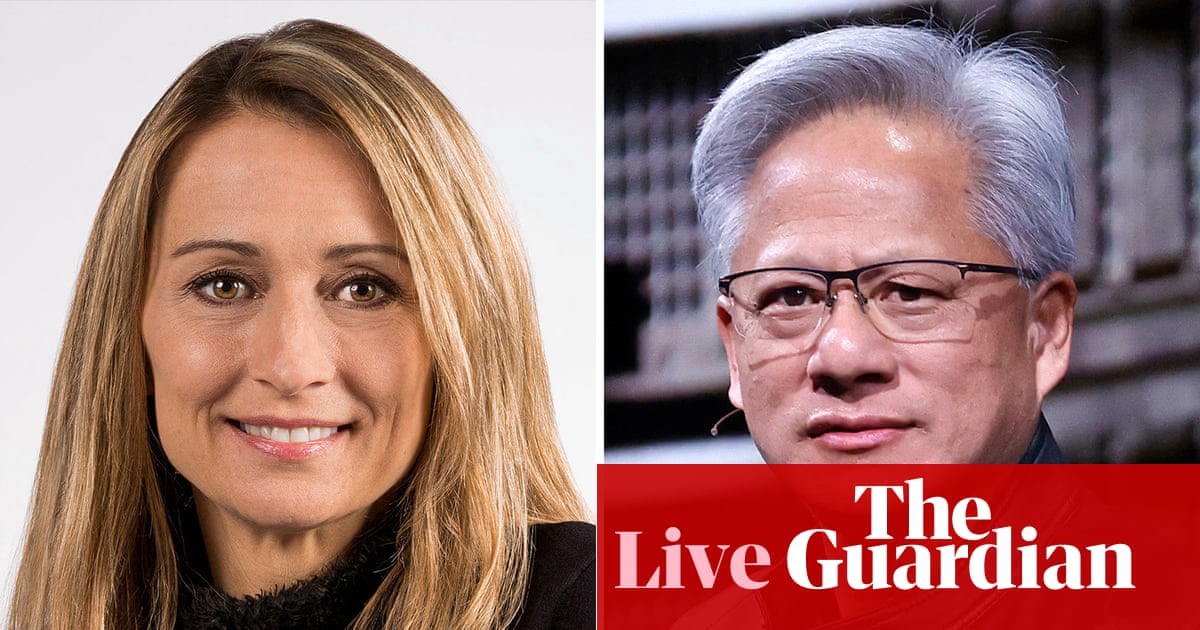
- Jensen Huang has resigned as Nvidia CEO, with CFO Colette Kress appointed as interim leader amid growing political and legal pressures.
- Democratic lawmakers are investigating a reported scheme involving US tariffs and export licenses for Nvidia chips sold to China.
- Allegations of chip smuggling through shell companies like Megaspeed have intensified scrutiny of Nvidia’s compliance with national security regulations.
Jensen Huang has resigned as chief executive officer of Nvidia, marking a sudden end to his tenure as the company’s only permanent leader. The board appointed Chief Financial Officer Colette Kress as interim CEO in response to escalating controversies surrounding Huang’s personal conduct and the company’s business practices in China. The announcement triggered immediate volatility in financial markets, with Nvidia shares plummeting more than 13% at the open before recovering some ground later in the day.
The resignation follows reports that Huang engaged in an extramarital affair with Alice Huang, an executive at Megaspeed, a Singapore-based firm suspected of smuggling advanced Nvidia chips into China. US officials have reportedly regarded Alice Huang as a potential Chinese spy. The situation was further complicated by allegations of a second affair with a senior Nvidia employee, Kimberly Powell. While personal indiscretions are not uncommon in corporate leadership, the intersection of these relationships with national security concerns created an untenable conflict of interest for the chipmaker.
Congressional leaders have moved quickly to investigate the broader implications of these events. Senate Finance Committee Ranking Member Ron Wyden and House Ways and Means Committee Ranking Member Richard E. Neal have demanded that Trump administration officials preserve all records related to a controversial export scheme. Under this arrangement, Nvidia chips manufactured in Taiwan could be imported into the United States for security review, subjecting them to a 25% tariff under Section 232 of the Trade Expansion Act of 1962. The Commerce Secretary would then grant licenses to resell these chips to Chinese entities, with reports suggesting the administration sought a 15% cut from such sales.
The scrutiny extends beyond political maneuvering to allegations of systematic evasion of export controls. Short sellers and investigative journalists have raised concerns that Nvidia’s actual market share in China is significantly higher than the zero percent claimed by Huang in May. Reports indicate that over 20% of the company’s compute revenues may still be driven by Chinese demand, facilitated through illegal diversion and Southeast Asian intermediaries. Megaspeed, identified as Nvidia’s largest buyer in the region, has drawn particular attention due to its opaque operations and ties to Alice Huang.
Investigations into Megaspeed have revealed discrepancies between its business listings and physical reality. Visits to its Singapore office found no signs of activity, with tenants describing the space as perpetually dark and empty. The company’s sole director, Tan Yong Pong, appears to have vanished, while the parent entity, Swiftdata, lists an address belonging to an interior design firm. Alice Huang has reportedly surfaced in Beijing after being barred from Singapore for providing inaccurate information to police. Her companies allegedly invested in Chinese AI firm DeepSeek and promised access to Nvidia’s Blackwell chips.
Further complications arise from connections to Super Micro Computer, a partner of Nvidia run by Charles Liang, an old friend of Huang. Indictments allege that Super Micro executives served as pass-throughs for a front company to purchase $2.5 billion worth of Nvidia chips for Alibaba. While Liang and Super Micro have not been charged, the incident highlights potential vulnerabilities in Nvidia’s supply chain oversight. Another entity, New Matrix, has also come under fire for being an approved buyer despite ties to blacklisted firms and Chinese military contractors.
The political fallout has impacted US government officials as well. Commerce Secretary Howard Lutnick faces criticism for failing to flag Megaspeed as a national security concern during a 2025 investigation that Nvidia reportedly intervened to halt. Treasury Secretary Scott Bessent is said to have confronted Lutnick over the matter, and multiple Republican lawmakers are demanding answers. The situation underscores the intense political pressure surrounding AI chip exports and the delicate balance between economic interests and national security.
Nvidia’s board has taken steps to address governance concerns that had long been criticized. Harvey Jones, a former Synopsys CEO and current director, has been appointed as independent chair to provide checks and balances. The move signals an effort to reduce over-reliance on Huang, whose personal lobbying clout on export policy has effectively evaporated. Analysts suggest that while the initial market reaction was severe, investors are beginning to recognize that Nvidia’s core technology remains in high demand.
The transition to interim leadership under Kress presents both challenges and opportunities for the company. While Huang’s departure removes a significant political liability, it also leaves a void in strategic vision during a critical period of technological competition. The board must now navigate ongoing congressional inquiries, potential legal liabilities, and the need to restore confidence among investors and partners. The coming weeks will likely reveal more details about the extent of chip diversion and the full scope of Nvidia’s involvement.
As the dust settles on Huang’s resignation, the broader implications for the AI industry remain unclear. The incident has exposed weaknesses in export control enforcement and corporate compliance mechanisms. It also raises questions about the sustainability of leadership models that concentrate excessive power in a single individual. For Nvidia, the path forward involves not only managing immediate crises but also rebuilding trust with regulators, customers, and shareholders in an increasingly politicized landscape.
Sources behind this briefing
Go to the original reporting
- The Guardian World↗Nvidia’s Jensen Huang to testify to US Congress amid scandal, reports say, as CFO Colette Kress replaces him as interim CEO – follow live
- BBC World↗Jensen Huang has resigned, what's next for Nvidia?
- The Verge↗The Jensen Huang scandal is hardly over
- The Guardian US↗Jensen Huang was a busted flush at Nvidia – he had to go | Nils Pratley