The short version
- Nvidia shares dropped five percent in pre-market trading after the company announced an independent investigation into allegations involving its chief executive and a Chinese businesswoman accused of passing information to Beijing.
- Republican lawmakers have requested a closed-door briefing from Jensen Huang regarding corporate security measures against foreign espionage, even as the board stated it has no evidence that national security or proprietary data were breached.
- The incident highlights growing tensions between US technology firms and geopolitical risks, occurring alongside broader political shifts including Democratic control of Congress and ongoing debates over immigration and defense policy.
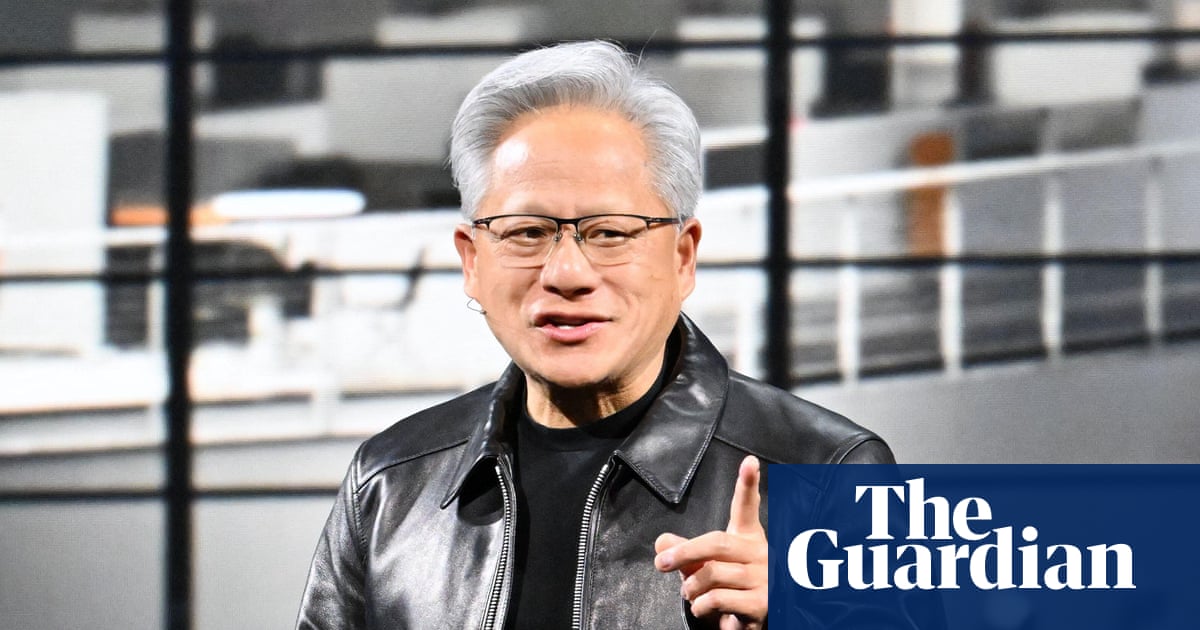
Nvidia Corporation has initiated an independent investigation into its chief executive officer, Jensen Huang, following reports that he was the target of a foreign intelligence operation. The probe centers on allegations that Huang maintained a close relationship with a Chinese businesswoman who is accused of transmitting sensitive information to Beijing. This development has triggered immediate market reaction, with Nvidia stock declining by five percent in pre-market trading as investors assess the potential reputational and operational risks associated with the claims.
The company’s board of directors issued a statement addressing the situation, emphasizing that there is currently no reason to believe that United States national security interests or Nvidia’s proprietary secrets have been compromised. Despite this assurance, the board confirmed that its inquiry will thoroughly examine all available information related to the allegations. The decision to launch an internal review reflects the company’s effort to maintain transparency and address concerns from stakeholders while navigating a complex geopolitical landscape.
Political reaction to the news has been swift and pointed. Republican lawmakers have expressed significant alarm over the potential security implications, formally requesting that Huang provide a closed-door briefing to the House Foreign Affairs and Intelligence Committees next week. The focus of this requested testimony will be on Nvidia’s specific security protocols designed to prevent espionage by foreign adversaries. This legislative pressure underscores the heightened scrutiny facing major technology firms operating at the intersection of commercial innovation and national defense.
The allegations emerge against a backdrop of intense geopolitical friction, including soaring inflation driven by the ongoing conflict between the United States-Israel coalition and Iran. These broader tensions have complicated global economic stability and increased the stakes for companies like Nvidia, which play a critical role in supplying advanced computing infrastructure. The intersection of corporate governance and international security has become increasingly prominent as governments seek to safeguard technological advantages against foreign interference.
Beyond the immediate corporate crisis, the political environment in Washington is shifting significantly following recent midterm elections. Democrats, having gained control of both chambers of Congress, are preparing for aggressive campaigns focused on investigation and new legislation. House Speaker-elect Hakeem Jeffries has pledged to fight for an affordable America, signaling a potential pivot in policy priorities that could impact technology regulation and national security oversight.
The political realignment also brings renewed focus on defense leadership. Jeffries has voiced strong support for impeaching Defense Secretary Pete Hegseth, accusing him of abusing power and undermining national security through his handling of the war in Iran. This criticism is echoed by departing Republican Representative Thomas Massie, who has moved to revive impeachment efforts against Hegseth. These developments suggest that the Nvidia investigation may become part of a larger congressional examination of executive branch conduct and national security protocols.
Meanwhile, global attention remains fixed on climate diplomacy as leaders from nearly 190 countries gather in Antalya for the latest round of United Nations climate talks. The conference aims to focus on the implementation of greenhouse gas emission reduction targets and support for nations affected by climate crises. Australian Climate and Energy Minister Chris Bowen, who is co-hosting the negotiations with Turkey, has called for tangible outcomes that demonstrate real progress beyond previous agreements.
The convergence of these events highlights a period of significant volatility across multiple sectors. From corporate espionage allegations to legislative shifts and international climate negotiations, stakeholders are navigating a landscape defined by uncertainty and rapid change. The outcome of Nvidia’s internal investigation and the subsequent congressional briefings will likely set important precedents for how technology companies manage security risks in an era of heightened geopolitical competition.
Sources behind this briefing
Go to the original reporting
- The Guardian World↗Nvidia stocks tumble as CEO investigated over spy claims | First Thing


