The short version
- The National Transportation Safety Board has launched a multi-year investigation into the fatal crash of a Learjet in Florida, with recovery efforts currently hampered by heavy rainfall and debris dispersion.
- Preliminary evidence indicates the aircraft began disintegrating before impact, with tail components discovered over a mile from the main crater, raising questions about structural integrity or aerodynamic stress.
- Experts are scrutinizing the pilots' decision to descend into a developing storm cell rather than maintaining higher altitude, though investigators caution that final conclusions require extensive data analysis.
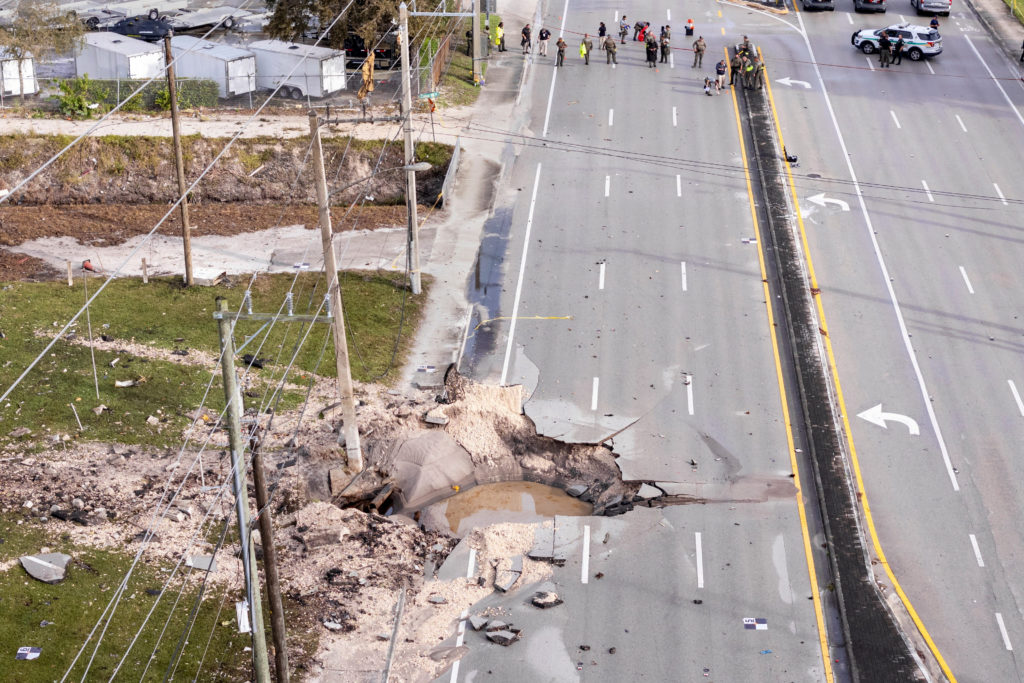
Federal investigators have initiated a comprehensive examination of the catastrophic failure of a business jet in Florida, an event that claimed the lives of all nine individuals on board. The National Transportation Safety Board is leading the effort to reconstruct the sequence of events that led to the aircraft plummeting from the sky and striking the ground with sufficient force to create a large crater. This initial phase of the inquiry involves meticulous collection of physical evidence, a process expected to span more than a year before a definitive cause can be established.
Recovery operations are currently complicated by persistent torrential rains that have flooded the crash site, potentially submerging critical components of the wreckage. Investigators have had to remove utility infrastructure to access the area and are working to locate every fragment of the aircraft. Pieces of the elevator, a crucial tail component responsible for controlling pitch, were recovered more than a mile from the primary impact zone. This dispersion of debris confirms that the airframe began to separate in flight before it reached the ground.
A primary objective for the NTSB team is locating the cockpit voice recorder, which could provide vital insights into the final moments of the flight. The device may contain recordings of pilot communications regarding turbulence, ice accumulation on the wings, and the subsequent loss of control. While the absence of this recorder would complicate the analysis, agency officials maintain that their forensic capabilities remain robust enough to determine the sequence of events through other means. Bystander videos and final radio transmissions are also being analyzed as supplementary data sources.
The flight path reveals a controversial decision by the crew to descend from a cruising altitude of 41,000 feet as they approached severe weather systems. Aviation safety experts have expressed confusion regarding this maneuver, noting that maintaining higher altitude typically offers better visibility and allows pilots to fly above or through the less intense upper layers of storm clouds. Instead, the aircraft appeared to steer around a larger storm cell only to head directly into a smaller, rapidly intensifying one at a lower elevation.
Weather data will be a central focus of the early investigation phase. Specialists from the NTSB are collaborating with the National Weather Service and the Federal Aviation Administration to reconstruct atmospheric conditions at approximately 35,000 feet during the time of the incident. Radar imagery suggests the Learjet flew directly into a small but dangerous storm cell that deteriorated quickly. Investigators aim to determine whether the pilots were aware of this specific threat and what information their onboard weather radar displayed.
Beyond meteorological factors, the probe will encompass a broad review of operational and mechanical elements. Maintenance records for the aircraft will be scrutinized for any prior issues or irregularities. The NTSB plans to interview personnel from Upper Jets, the operating company, as well as air traffic controllers and airport staff in Austin, Texas, where the flight originated. These interviews may shed light on pre-flight briefings, communication protocols, and any known mechanical concerns.
Physical evidence recovered from the site will be transported to a secure hangar for detailed examination. Experts will attempt to reassemble damaged components and conduct tests to understand how the structure failed under stress. In high-profile cases, the agency may hold investigative hearings to question witnesses and experts directly, a procedure previously utilized after other significant aviation accidents. This rigorous approach aims to uncover not just the immediate cause but also systemic factors that contributed to the tragedy.
The NTSB has requested public assistance in identifying any additional debris found in the surrounding area. A preliminary report detailing the factual circumstances of the crash is expected within 30 days, though it will not include causal analysis. The final report, which will offer recommendations to prevent similar incidents, requires extensive testing and review. Until then, the investigation remains in its early stages, with many questions about pilot decision-making and aircraft performance still unanswered.
Sources behind this briefing
Go to the original reporting
- PBS NewsHour↗What's next in the investigation of the Learjet crash in Florida that killed 9?


