The short version
- New South Wales Premier Chris Minns labeled Stuart Bonds’ demographic replacement theory as outrageous and racist.
- Federal and state human rights officials warned that blaming migrants for societal issues risks fueling exclusion and hate.
- Bonds, likely to be elected in March, argued that mass migration threatens national identity and culture.
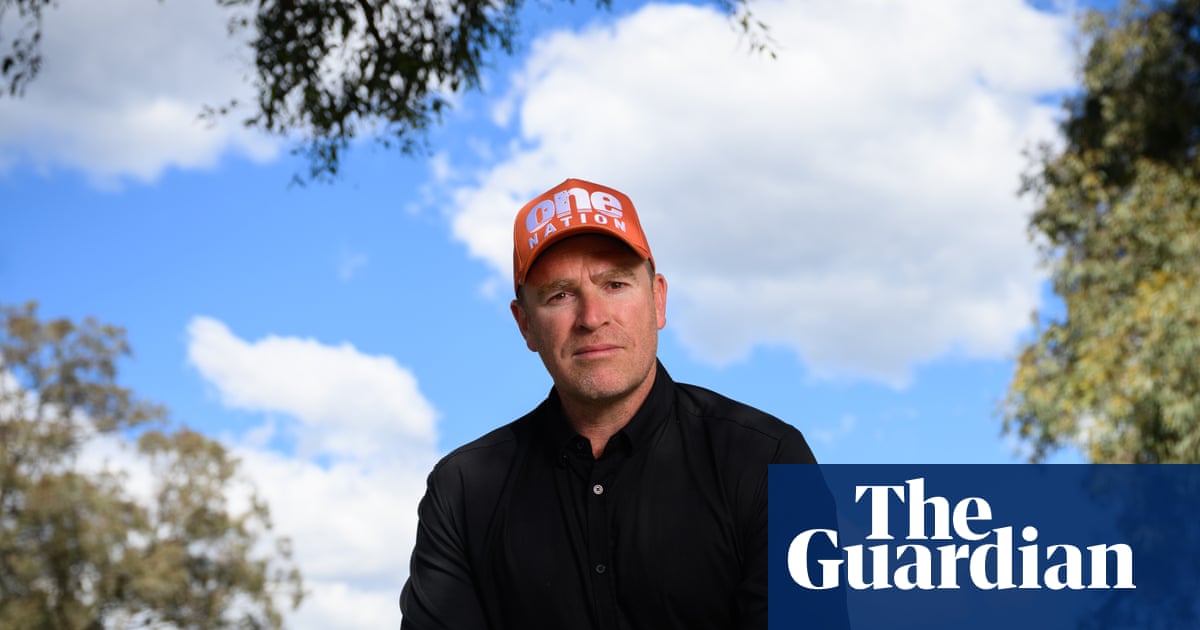
Political tensions in New South Wales have intensified following comments made by Stuart Bonds, the lead candidate for One Nation’s upper house ticket. Speaking at an anti-immigration rally in Sydney’s central business district on Sunday, Bonds asserted that Australians are facing demographic replacement unless mass migration is significantly reduced. His remarks have triggered immediate and severe criticism from both state and federal leaders, who characterize the narrative as a dangerous conspiracy theory imported from the United States.
Chris Minns, the premier of New South Wales, described Bonds’ statements as frankly outrageous and racist. Minns emphasized that the replacement theory lacks factual basis and serves only to divide communities. He questioned what role Bonds would assume if One Nation were to gain influence in a coalition government, specifically asking whether portfolios such as trade, education, or treasury would be entrusted to someone holding such views. Minns also challenged the Coalition to distance itself from these perspectives, suggesting that voters should consider the implications of such rhetoric on public policy.
Bonds’ address at the rally drew several hundred attendees, many waving Australian flags. Among the crowd were figures associated with rightwing groups, including Joel Davis, identified as a neo-Nazi, and Lyle Shelton, the national director of the Family First party. Bonds argued that a nation is defined by shared culture, borders, language, and a dominant religion. He contended that supporting Australian mothers in having children is essential to preserving national identity, warning that failure to do so would result in paying for other cultures’ children to be raised in Australia.
The race discrimination commissioner, Giridharan Sivaraman, issued a strong rebuke on Monday, stating that claims of some Australians being superior to others sow division and hate. Sivaraman noted that the idea migrants can never truly be Australian ignores both the nation’s history and its shared future. He highlighted that Australia has always been shaped by successive generations of people from around the world, contributing to the country’s development. The commissioner warned that reducing complex societal problems to a simple narrative blaming migrants is inaccurate and risks fueling exclusion and racism.
Bonds further claimed that a socialist plan aims to destroy civilization, pointing to unrest in European countries as evidence. He suggested Australia is on a path to becoming a special economic zone within Asia, arguing for a re-establishment of national pride. These comments reflect a broader narrative used by some rightwing figures to oppose multiculturalism and immigration policies. The rally provided a platform for these views, which have been gaining traction among certain segments of the population ahead of the March state election.
Federal Minister for Multicultural Affairs Anne Aly also weighed in, stating that Australians with migrant backgrounds are not replacing Australians but are simply Australians. She emphasized that questioning someone’s right to belong based on race or ancestry is divisive and dangerous. Aly argued that such rhetoric goes against everything Australians stand for, reinforcing the government’s stance on inclusion and unity. Her comments underscored the federal government’s commitment to combating racism and promoting social cohesion.
The controversy highlights the growing polarization in Australian politics regarding immigration and national identity. Bonds’ likely election in March raises concerns about the influence of such views in state governance. Critics argue that these narratives exploit fears and uncertainties, casting minority communities as scapegoats for broader societal challenges. The response from political leaders and human rights officials reflects a concerted effort to counter these claims and reaffirm the value of multiculturalism.
As the election approaches, the debate over immigration and national identity is expected to remain a central issue. Voters will be asked to consider the implications of supporting candidates who promote divisive rhetoric. The reactions from Minns, Sivaraman, and Aly illustrate the broad consensus among mainstream political figures that such views are harmful and inaccurate. The coming months will likely see continued scrutiny of these issues, with potential impacts on policy and public discourse.
The incident also raises questions about the role of media and public platforms in amplifying extremist views. While Bonds’ rally attracted significant attention, it also drew condemnation from a wide range of stakeholders. The presence of known extremists at the event further complicated the narrative, prompting calls for greater vigilance against hate speech. As Australia navigates these challenges, the emphasis remains on fostering unity and rejecting divisive ideologies.
In summary, Stuart Bonds’ comments have sparked a significant political and social response, highlighting the ongoing tensions surrounding immigration and national identity in Australia. The strong condemnation from state and federal leaders underscores the importance of addressing such rhetoric to prevent further division. As the election nears, the impact of these views on public opinion and policy will be closely watched, with potential long-term consequences for Australian society.
Sources behind this briefing
Go to the original reporting
- The Guardian World↗‘Outrageous and racist’: premier responds to NSW One Nation candidate’s claim Australians are being ‘demographically replaced’


