The short version
- The New South Wales parole authority denied release to Mohommed Farhat, citing adherence to extremist ideology despite a Supreme Court judge labeling the case a miscarriage of justice.
- Justice Desmond Fagan ruled that Farhat’s actions constituted political commentary rather than terrorism, noting he was paid for the vandalism and posed insignificant risk.
- The Commissioner for Corrective Services intervened without consulting specialist police, a move criticized by the court as a failure of inter-agency communication.
A twenty-two-year-old Sydney man has been denied parole for a second time, remaining in custody despite a recent Supreme Court ruling that characterized his prosecution as a serious miscarriage of justice. The decision by the New South Wales Parole Authority contradicts findings from Justice Desmond Fagan, who argued that the state had incorrectly labeled Farhat’s property damage as terrorism-driven extremism rather than recognizing it as financially motivated vandalism.
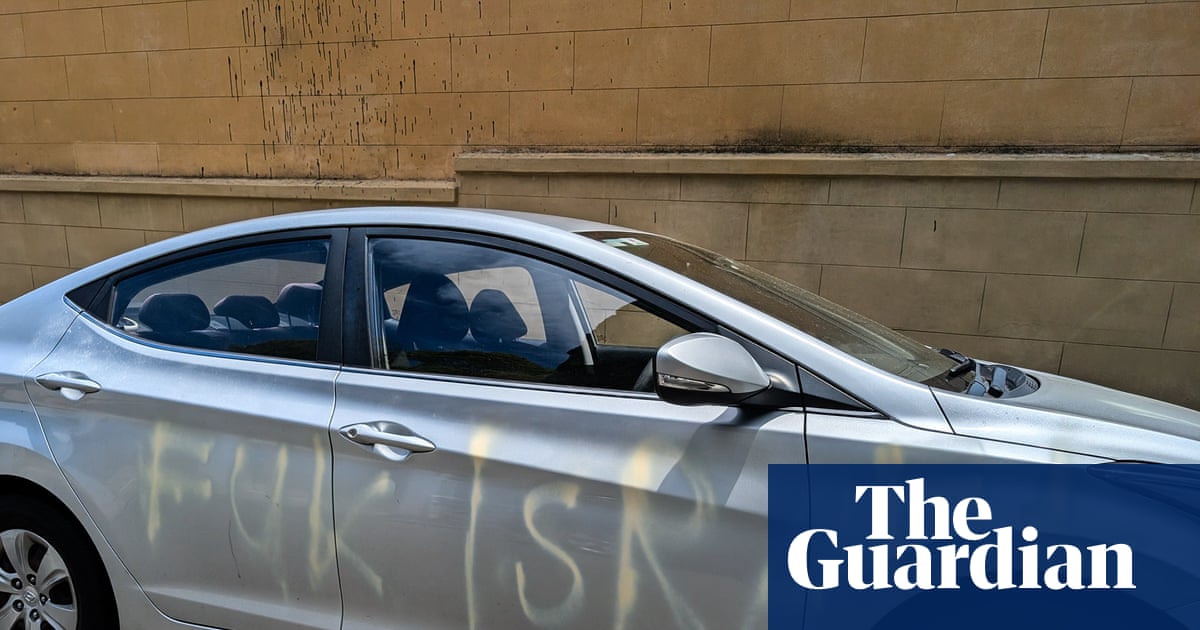
Farhat was originally scheduled for release in December after serving ten months of a sentence for fifteen offenses related to vandalism in Woollahra during November 2024. These acts included writing anti-Israel graffiti on vehicles and setting one car on fire. His initial parole order was revoked by the Commissioner for Corrective Services, Gary McMahon, who intervened without hearing from Farhat’s legal representatives. This rare administrative action triggered a fresh hearing in March, where authorities argued that Farhat supported extremist behavior.
Justice Fagan delivered a scathing critique of the state’s approach last week, ruling against an application for an extended supervision order under the Terrorism Act. The judge determined that Farhat, who has limited intellectual capacity, posed an insignificant risk of committing serious terrorism offenses. Fagan concluded that police, lower courts, and various state agencies had mischaracterized the defendant’s actions, which he viewed as a curse against a foreign state rather than evidence of religious or political radicalization.
The Supreme Court justice accepted Farhat’s explanation that he was paid to carry out the vandalism, rejecting the narrative that his conduct stemmed from deep-seated ideological adherence. Fagan noted that counter-terrorism police had determined within three weeks of Farhat’s arrest that he was not ideologically motivated. The judge emphasized that the conclusions of Strike Force Pearl directly contradicted assessments that the defendant exhibited radicalization through his index offending.
Despite these judicial findings, the Parole Authority issued its decision on Monday, five months after the March hearing. The authority stated it did not consider Fagan’s recent ruling or the evidence regarding Farhat’s lack of ideological motivation. Instead, the board maintained that the offending reflected a deep-seated adherence to an extremist ideology of an antisemitic character. They rejected Farhat’s claim of ignorance regarding the meaning of the phrases used in the vandalism.
Commissioner McMahon faced scrutiny during budget estimates regarding his intervention in December. He admitted he had not consulted with specialist police before arguing that Farhat posed a terrorism risk and that his actions were antisemitic. Justice Fagan criticized this lack of consultation as unsound, describing it as a serious failure of communication between agencies. The judge noted that the commissioner’s conclusions were directly at odds with the assessments made by counter-terrorism officers.
McMahon acknowledged that his intervention was uncommon but defended it by stating that the material available to him at the time suggested Farhat posed a significant risk to the community. People sentenced to less than three years in jail are typically released on parole when their term comes due, making this case an exception to standard procedure. The delay in the parole determination has drawn attention to the procedural complexities involved in high-profile security cases.
Political reactions have highlighted concerns about the treatment of individuals with cognitive disabilities and mental health issues within the justice system. Greens MP Sue Higginson expressed astonishment at the lengths taken by state agencies to keep Farhat behind bars, accusing police, the commissioner, and the attorney general of circumventing court processes. She emphasized that Farhat is a troubled young Lebanese Australian man dealing with addiction and cognitive disability.
The New South Wales Attorney General, Michael Daley, is seeking urgent advice regarding the prospects of an appeal against Fagan’s decision to reject the extended supervision order. That order would have subjected Farhat to fifty-five conditions while living in the community. With parole denied, Farhat will complete his full sentence and be released in October without any supervisory conditions attached to his freedom.
This case underscores the ongoing tension between judicial interpretations of intent and executive assessments of risk in national security matters. While the courts have moved to de-escalate the legal characterization of Farhat’s actions, administrative bodies continue to enforce a stricter narrative regarding his motivations. The outcome raises questions about consistency in how ideological versus financial motives are weighed in parole decisions involving property damage.
Sources behind this briefing
Go to the original reporting
- The Guardian World↗Man denied parole a second time over anti-Israel graffiti despite judge’s scathing critique of case

