The short version
- The National Rugby League will hold its upcoming grand final without pre-game entertainment after negotiations with artist Tones and I collapsed.
- League officials cite artistic differences regarding the performance of her hit single, while her management attributes the failure to scheduling conflicts.
- One million dollars originally budgeted for the performer is being reallocated to support junior rugby league initiatives.
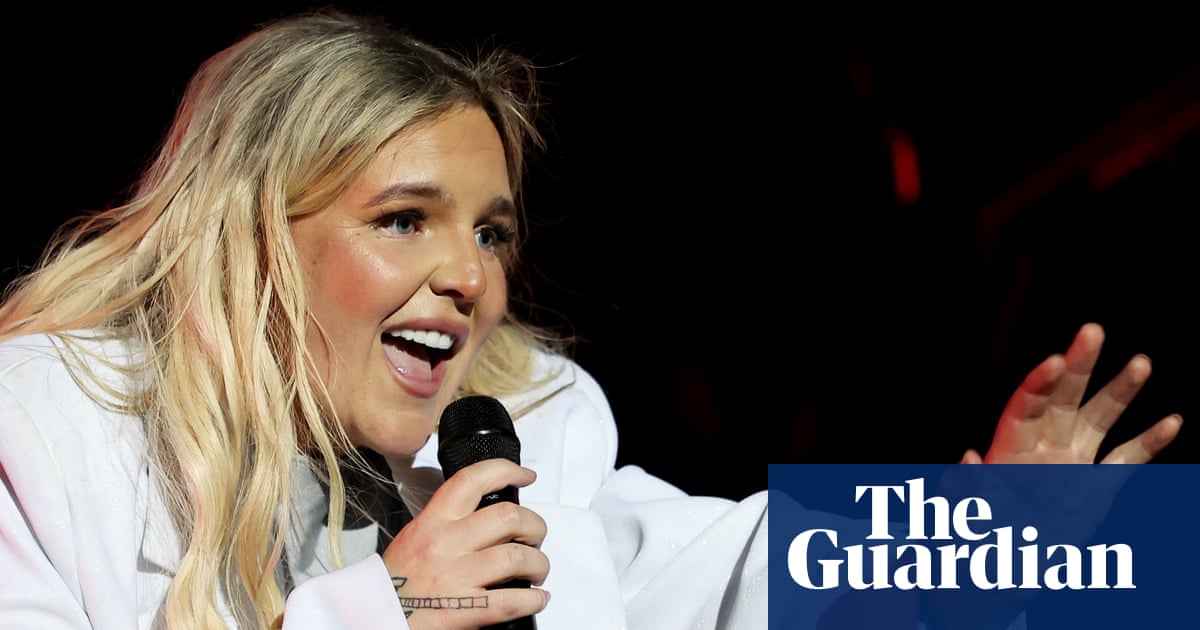
The National Rugby League has confirmed that its upcoming grand final will proceed without any pre-game entertainment, marking a significant departure from recent tradition. This decision follows the breakdown of negotiations with Australian singer Tones and I, who was reportedly in talks to headline the event. The absence of a major musical act at such a high-profile sporting occasion is rare in modern history, prompting scrutiny over the circumstances that led to the cancellation.
League commissioner Peter V’landys stated that discussions ended due to artistic differences. He suggested that the artist may have been unwilling to perform her most recognizable song, Dance Monkey, which dominated charts for twenty-four weeks. V’landys indicated that paying a performer approximately ninety thousand dollars per minute was not a worthwhile expenditure compared to other priorities. Instead of compensating an entertainer, he announced that one million dollars would be directed toward grassroots rugby league programs, a shift in spending he had considered previously.
However, the management team for Tones and I, whose real name is Toni Watson, presented a different narrative. Regan Lethbridge of Lemon Tree Music told reporters that contact regarding the grand final performance was made only three weeks prior to the announcement. According to this account, no written agreement had been signed or confirmed. The manager emphasized that the artist explored all possibilities to make the event work but ultimately could not participate due to a prior commitment with American rapper Macklemore in the United States.
The National Rugby League disputed several elements of the management’s timeline and reasoning. A spokesperson for the league stated that discussions with Sony, the artist’s label, began well before the date cited by her representatives. The NRL denied claims that the request was too last-minute or that scheduling conflicts were the primary barrier. While the league did not explicitly confirm that the refusal to play Dance Monkey was the sole cause of the collapse, they noted that management made it clear the song would not be performed.
The controversy is complicated by the artist’s well-documented ambivalence toward her biggest hit. In a 2022 interview, Watson expressed strong dislike for the track, stating she often did not want to sing it. This sentiment adds weight to the league’s suggestion that artistic differences played a role in the failed negotiations. The irony of an artist refusing to perform a song about performance pressure at a major sporting event has drawn attention from commentators and fans alike.
Despite the conflicting reports, neither the label nor the management team provided further clarification after initial statements. Watson recently shared an Instagram post announcing three live shows scheduled for March 2027, noting that she would be singing all her songs. This update did not directly address the grand final dispute but signaled a return to touring activities. The mention of a prior commitment with Macklemore remains vague, as no specific show dates have been publicly verified for that collaboration.
The pair are known friends and collaborators, having worked together on the single Chant in 2022. Recent social media interactions between Watson and Macklemore have been supportive, but details regarding their professional schedule remain thin. The lack of concrete information about the US commitment leaves room for speculation about whether it was a genuine conflict or a pretext for declining the NRL offer.
In response to the cancellation, some public figures suggested alternative performers. Watson herself listed several diverse artists on social media as potential replacements, including G Flip, Kaiit, Budjerah, Ruel, Baker Boy, and Miss Kaninna. Former player Shannon Noll also weighed in, questioning why he was not considered given his history of performing at grand finals. These suggestions highlight the community’s interest in maintaining the entertainment aspect of the event.
Ultimately, V’landys maintained that attendance would not be affected by the absence of pre-game music. He expressed confidence that fans would attend regardless of the entertainment lineup. The exact sequence of events and the primary reason for the negotiation breakdown remain unclear, with both sides offering partial truths that do not fully align. The grand final will proceed as scheduled, focusing on the sport rather than the spectacle.
This incident underscores the complexities of booking high-profile talent for major sporting events. It also reflects a broader trend in sports administration where leagues are reevaluating spending priorities. By redirecting funds to junior programs, the NRL aims to invest in the future of the sport rather than short-term entertainment value. The outcome serves as a case study in how artistic control and commercial interests can clash in public-facing negotiations.
Sources behind this briefing
Go to the original reporting
- The Guardian World↗Dance Monkey v the NRL: did Tones and I really turn down $90,000 a minute because she hates her own song?

