The short version
- The family of Henry Nowak has publicly criticized politicians for leveraging his murder to fuel broader political narratives and incite public anger.
- An independent review led by Alex Chalk is currently assessing whether authorities missed opportunities to intervene during the incident and its aftermath.
- While initial police conduct investigations did not result in disciplinary action, two officers remain under scrutiny for potential gross misconduct.
The relatives of Henry Nowak, a teenager fatally stabbed in Southampton last year, have issued a sharp rebuke to political figures who they believe exploited his death for partisan gain. In an interview for an ITV documentary titled Dear Henry: Our Fight for Justice, the family expressed deep frustration with what they described as a political game played at the expense of their grief. They emphasized that Nowak would have despised the riots and social unrest that erupted in the weeks following his killing, noting that such chaos contradicted his personal values and those of his family.
The incident itself involved complex circumstances that drew intense public scrutiny. Nowak was attacked by Vickrum Digwa, who falsely accused him of racial abuse during the confrontation. As Nowak lay dying on the ground, police officers handcuffed him before he succumbed to his injuries. This specific sequence of events became a focal point for criticism regarding policing standards and accountability. The family has consistently sought to separate their son’s tragic death from the wider political debates that have since consumed the narrative surrounding the case.
Lucy Ross, Nowak’s mother, stated that she believes certain individuals attempted to use her son’s murder to advance broader ideological arguments. She expressed a desire for clarity regarding the disparity in how the family was treated compared to others involved in the incident. Ross noted that while she cannot control how politicians act, she remains focused on understanding why the police response unfolded as it did. Her comments highlight a growing disconnect between the grieving family and the political actors who have inserted themselves into the story.
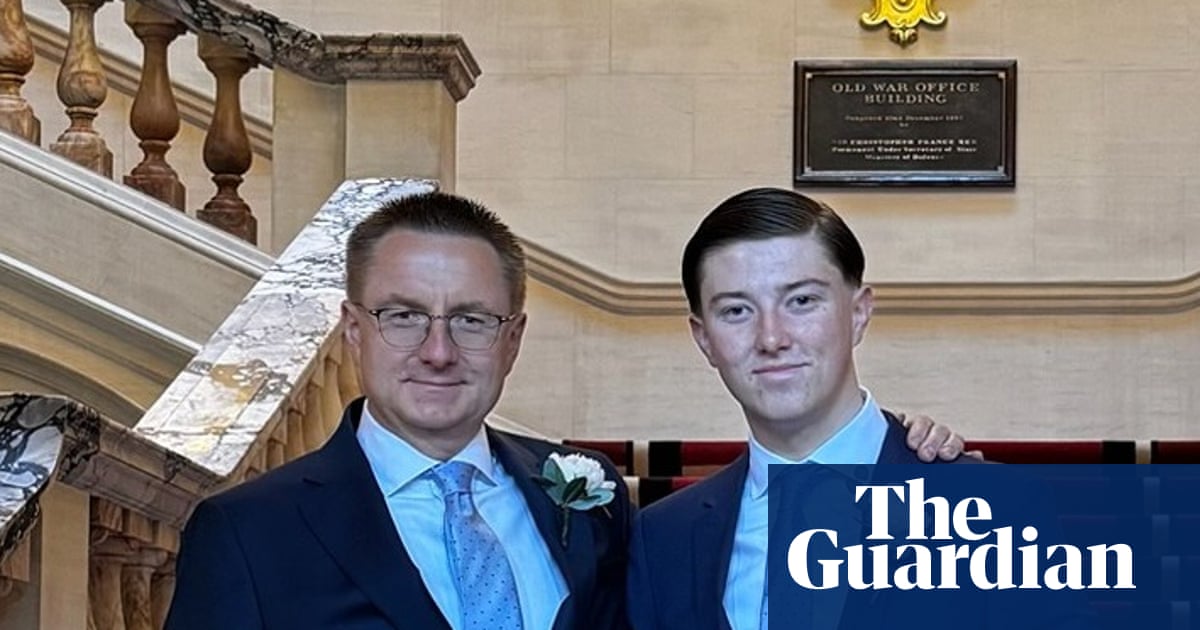
Mark Nowak, the victim’s father, reinforced this sentiment by describing his son as non-divisive. He argued that the political response to the murder did not align with Henry’s character or the family’s principles. The parents have worked diligently to keep politics out of their pursuit of justice, yet they find themselves at the center of a storm fueled by social media mobilization and speeches from party leaders. This dynamic has added a layer of complexity to an already painful process for the Nowak household.
The political reaction to the stabbing was swift and polarizing. Reform UK leader Nigel Farage delivered an emergency address calling for public outrage and criticizing what he termed two-tier policing. His remarks, along with calls from leaders of other groups including Ukip and Britain First, contributed to demonstrations in Southampton. These protests were organized through social media platforms and drew participants from various political factions. The family views this mobilization as a distortion of the truth surrounding Nowak’s death.
Official investigations into the police conduct have yielded mixed results so far. The Independent Office for Police Conduct (IOPC) confirmed in April that no officers would face conduct or criminal investigations based on the evidence available at that time. The watchdog stated that there were no concerns serious enough to justify disciplinary proceedings regarding officer actions and decisions. However, this decision was noted to be under review throughout the lifecycle of the case, leaving room for potential changes as new information emerges.
Despite the initial clearance of officers, two individuals remain under investigation for potential gross misconduct as announced in July. This ongoing scrutiny suggests that while immediate disciplinary action was not deemed necessary, questions about professional standards persist. The IOPC expects to conclude its broader investigation into potential failures in the police response early next year. This timeline provides a framework for when more definitive conclusions might be reached regarding institutional accountability.
In addition to the IOPC’s work, Home Secretary Shabana Mahmood has commissioned an independent review of the case. Led by former Lord Chancellor Alex Chalk, this review aims to examine whether there were missed opportunities to intervene during the incident. Mahmood praised the dignity with which the family has handled the situation and committed to ensuring they receive the answers they deserve. This dual-track approach involving both police oversight and high-level government review underscores the significance of the case in current debates about justice and policing in the United Kingdom.
The Nowak family’s stance serves as a reminder of the human cost behind political rhetoric. By rejecting the politicization of their son’s death, they seek to restore focus to the individual tragedy rather than allowing it to become a symbol for broader ideological battles. As investigations continue, the outcome may influence public perception of law enforcement accountability and the role of media in shaping narratives around violent crime. The coming months will likely bring further developments as both the IOPC and the independent review reach their conclusions.
Ultimately, the case highlights tensions between institutional responses to violence and public expectations of justice. The family’s desire for transparency and fairness remains central to the discourse. While political figures may continue to reference the incident in their campaigns, the Nowaks have made it clear that their primary concern is understanding what happened to Henry and ensuring that appropriate measures are taken to prevent similar failures in the future. This perspective offers a sober counterpoint to the heated debates that have characterized the public response.
Sources behind this briefing
Go to the original reporting
- The Guardian World↗Henry Nowak ‘would have hated’ riots after his murder, says family


