The short version
- A large feral cat responsible for killing dozens of rare brown teal ducks was humanely shot after eluding trappers for three years on the Purerua peninsula.
- The animal, dubbed Nine Lives due to its erratic movements and ability to evade capture, is estimated to have wiped out one percent of the mainland population of this specific duck species.
- Conservationists plan to taxidermy the cat for educational purposes while the government moves toward a broader elimination strategy for feral predators by 2050.
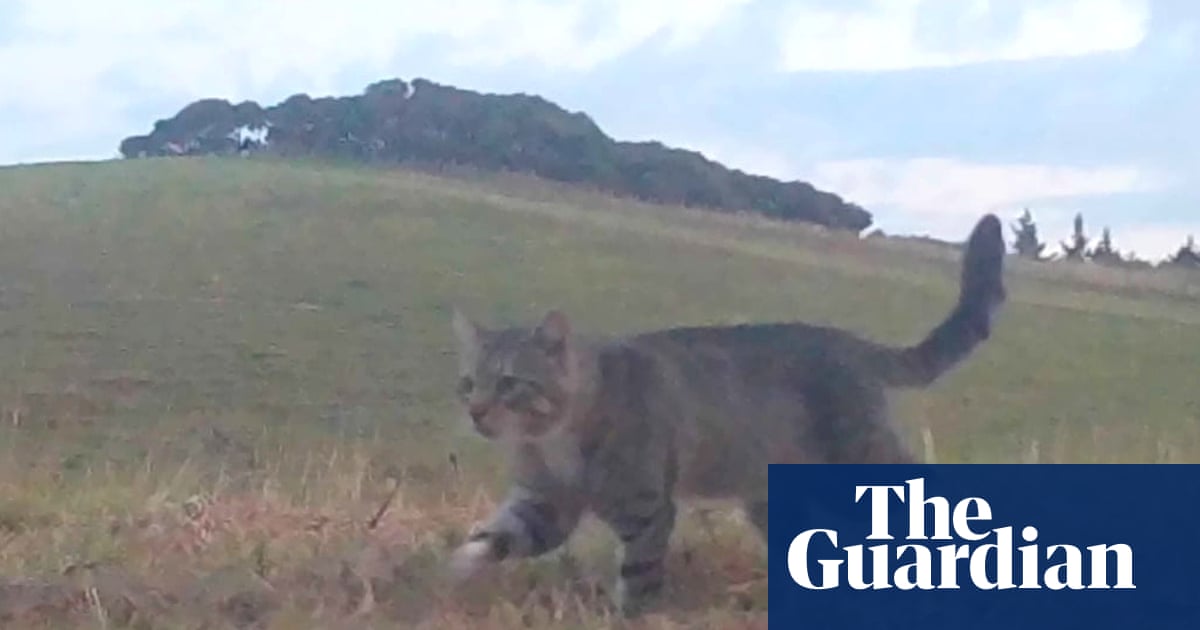
A significant milestone in New Zealand’s ongoing battle against invasive predators was reached with the neutralization of a large grey tabby cat that had terrorized native wildlife on the Purerua peninsula. The animal, which conservationists named Nine Lives because it successfully evaded capture for three years, was humanely shot in late July after finally being trapped. Its removal marks the end of a frustrating period during which the feline decimated populations of rare birds and other indigenous species in Northland.
The impact of this single animal on local biodiversity was severe. Estimates suggest the cat killed dozens of pāteke, also known as brown teal, which are considered the country’s rarest mainland duck species. This loss represents approximately one percent of the total population of these birds. In addition to the ducks, the predator is believed to have consumed kiwi chicks, native geckos, and other vulnerable wildlife during its reign on the peninsula.
The conflict began in 2023 when conservationists introduced twenty pāteke to the area, operating under the assumption that feral cat numbers were under control. Within a week of the release, the first duck death was recorded. Surveillance cameras identified a specific cat with distinct markings as the culprit. Over the following year, fifteen more ducks were killed by the same individual, prompting the team to deploy additional traps and night-vision equipment in an attempt to locate the source of the predation.
Despite catching other feral cats in the region, Nine Lives remained elusive due to its unpredictable behavior. Project manager Andy Mentor described the animal’s movements as highly erratic, noting that it would appear in a specific location and then vanish for months. The cat hunted at various times, including dusk, midnight, and early morning, making it difficult to establish a consistent pattern for trapping efforts. This unpredictability allowed the animal to slip through conservation nets repeatedly.
In 2024, the team attempted another release of twenty pāteke, but the same cat returned, killing fifteen of the birds. The situation remained tense until late July, when the animal began appearing at a local quarry for three consecutive nights. This unusual consistency provided an opening for the trappers. They used salmon, fried chicken, and rabbit as bait to lure the cat into cages and traps.
On July 30, a camera notification alerted the team that a cat had entered one of the enclosures. Trappers were dispatched to verify the capture and confirmed it was Nine Lives. The animal was subsequently humanely shot. Mentor emphasized that the success was not guaranteed, given how long the cat had baffled their efforts. The stomach contents of the cat will be examined to determine its recent diet before the body is prepared for taxidermy.
The death of Nine Lives has sparked debate within New Zealand, a country with one of the highest rates of cat ownership globally. Social media reactions were divided, with some users expressing horror at the killing and arguing the animal deserved to live. Others celebrated the capture as a necessary step for protecting native species. The conservation team intends to use the taxidermied remains as an educational tool to illustrate the devastating impact feral cats have on biodiversity.
This event occurs against the backdrop of broader national policy changes. More than 2.5 million feral cats roam New Zealand’s bush and offshore islands, where they can grow up to a meter in length. These predators have driven some bird species to the brink of extinction. In November, the government announced that feral cats would be added to the Predator-Free 2050 strategy, shifting from suppression to elimination. Mentor indicated this change represents a significant escalation for the peninsula.
With Nine Lives removed, conservationists may consider restarting the introduction of pāteke to the area. The team plans to honor the animal with dignity and respect, acknowledging its role as a formidable adversary in their work. The case underscores the complex challenges faced by wildlife managers who must balance ecological preservation with public sentiment regarding animal welfare.
The resolution of this three-year standoff provides a clear example of the difficulties inherent in managing invasive species. While the immediate threat to the brown teal population on Purerua has been neutralized, the broader issue of feral cat predation remains a critical concern for New Zealand’s ecosystem. The educational use of Nine Lives aims to bridge the gap between conservation science and community understanding.
Sources behind this briefing
Go to the original reporting
- The Guardian World↗Nine Lives, the feral cat that terrorised New Zealand’s rare ducks, is caught after three years

