The short version
- King Harald V’s condition has deteriorated despite responding to antibiotic treatment for a bloodstream infection, requiring his continued stay at Oslo University Hospital.
- Crown Prince Haakon continues to serve as regent while the royal family navigates recent health scares and legal controversies involving senior members.
- The monarch had previously reduced public engagements due to age-related health issues, including a pacemaker implantation and treatment for a rare blood disorder.
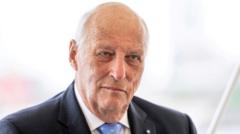
The Norwegian royal household has announced a deterioration in the health of King Harald V, who remains hospitalized in Oslo. The palace confirmed that the 89-year-old monarch is receiving antibiotic therapy for a bacterial infection affecting his bloodstream. Although officials noted that the king has responded to medical treatment, his overall condition has worsened since his admission one week ago. Consequently, he will remain on sick leave from all royal duties until further notice, extending a period of absence that began earlier this month.
King Harald, who ascended to the throne in 1991, is currently under care at Oslo University Hospital, specifically at the Rikshospitalet facility. The palace emphasized that while the infection poses significant challenges, the medical team is actively managing his treatment. This development marks a serious escalation in the monarch’s health status, following recent reports of his struggle with haemolytic anaemia, a rare blood condition characterized by a reduction in red blood cells. This disorder typically results in severe fatigue and shortness of breath, conditions for which the king has recently been treated with cortisone.
The current hospitalization follows a pattern of health-related adjustments to the king’s public schedule. In April 2024, the royal household declared that Harald would permanently reduce his public engagements due to considerations regarding his advanced age. That decision came shortly after he required medical intervention during a holiday in Malaysia, where he fell ill and subsequently had a pacemaker fitted. These cumulative health issues have necessitated a gradual withdrawal from the rigorous demands of state protocol, shifting more operational responsibilities to other members of the royal family.
In the king’s absence, Crown Prince Haakon, 53, has been serving as regent. The prince has assumed the constitutional duties of the head of state while his father recovers. This arrangement ensures continuity in Norway’s governance and diplomatic obligations. However, the period of regency coincides with a particularly turbulent year for the royal family, marked by both medical emergencies and significant legal controversies that have drawn intense public scrutiny.
Earlier this year, Crown Princess Mette-Marit underwent a lung transplant in June. The procedure was necessary after she was diagnosed with a rare form of pulmonary fibrosis in 2018. The transplant occurred just two days after her son, Marius Borg Høiby, was sentenced to four years in prison. Høiby, who is not a royal figure himself, was convicted of two counts of rape. He had denied the most serious charges, and his legal team indicated plans to appeal the sentence. The proximity of these events has placed considerable strain on the family’s public standing.
The royal household has also grappled with revelations regarding Crown Princess Mette-Marit’s past associations. Documents released earlier in 2026 detailed her frequent contact with Jeffrey Epstein, the late sex offender. In response to the public outcry and media attention, Mette-Marit issued an apology to King Harald and Queen Sonja. She acknowledged poor judgment in maintaining a three-year friendship with Epstein and expressed regret during a national television interview, stating she wished she had never met him. These admissions have complicated the family’s narrative as they navigate these concurrent crises.
The convergence of health issues and legal scandals has defined 2026 for the Norwegian monarchy. The king’s current battle with infection and blood disorders adds to the physical toll already experienced by other senior members. Meanwhile, the legal proceedings involving Høiby continue to dominate public discourse, raising questions about accountability and family dynamics within the institution. The palace has maintained a measured approach, focusing on medical updates while avoiding detailed commentary on the personal matters affecting the crown prince’s immediate family.
As King Harald remains under hospital care, the focus shifts to his potential recovery timeline and the long-term implications for the monarchy’s structure. The permanent reduction in public engagements announced in 2024 may now take on a more urgent significance if the king’s health does not stabilize. Crown Prince Haakon’s role as regent is likely to expand further, potentially accelerating preparations for his eventual accession. The coming weeks will be critical in determining whether the current health setbacks are temporary or indicative of a broader decline in the monarch’s ability to fulfill his constitutional duties.
The Norwegian public and international observers await further updates from the palace regarding the king’s prognosis. While the medical team reports some positive response to antibiotics, the worsening condition suggests that recovery may be slow and uncertain. The royal family faces the challenge of maintaining stability and dignity amidst these compounding difficulties. The situation underscores the human vulnerabilities inherent in public institutions, even those as established and respected as the Norwegian monarchy.
No immediate plans for a change in leadership have been announced beyond the existing regency arrangement. The palace continues to prioritize the king’s treatment and privacy. As the story develops, attention will remain on the health of King Harald V and the ability of Crown Prince Haakon to manage state affairs while supporting his family through this difficult period. The resilience of the institution will be tested by these simultaneous pressures, both medical and reputational.
Sources behind this briefing
Go to the original reporting
- BBC World↗King of Norway's health has worsened, palace says

