The short version
- Crown Prince Haakon ascends to the throne as King Haakon VIII following the death of his father, Harald V, at age 89.
- The royal family confronts significant public relations challenges linked to the recent rape conviction of the queen’s stepson and past associations with Jeffrey Epstein.
- Haakon brings extensive experience from serving as regent during his father’s declining health, along with an academic background in political science and international development.
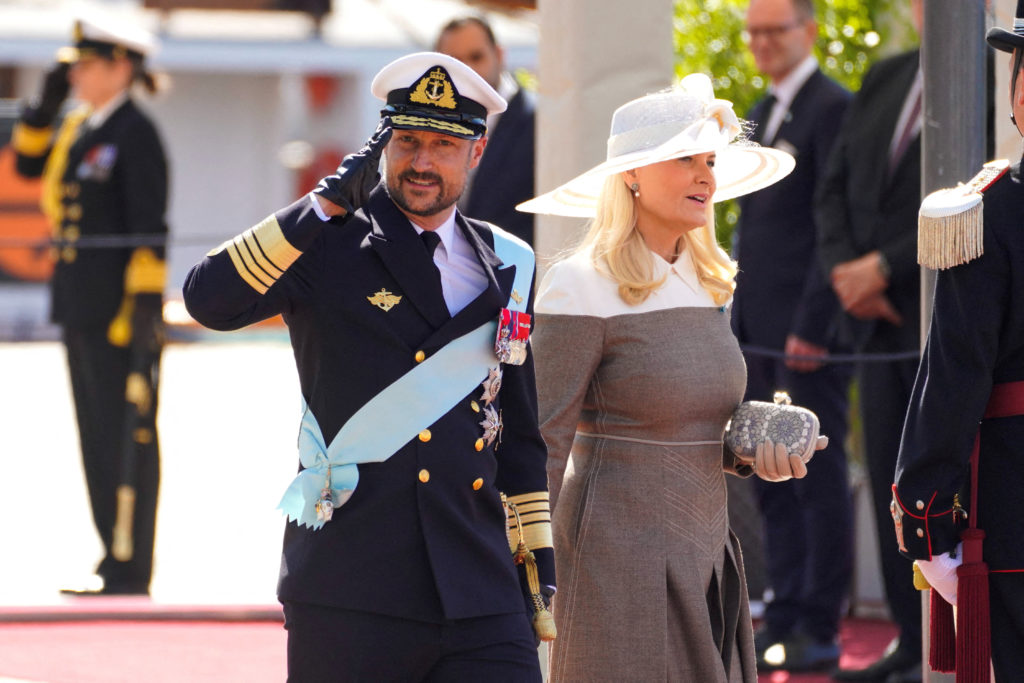
Norway has a new head of state following the passing of King Harald V on Friday. The monarch died at the age of 89, prompting the immediate accession of his son, Crown Prince Haakon, who now reigns as King Haakon VIII. This transition marks a significant moment for the Scandinavian nation, which maintains a constitutional monarchy with largely ceremonial powers vested in an elected parliament. The new king has adopted the historic motto 'All for Norway,' a phrase dating back to his great-grandfather, signaling a continuity of tradition even as the institution faces modern pressures.
The ascension occurs against a backdrop of intense public scrutiny regarding the royal family’s reputation. King Haakon VIII must now navigate efforts to stabilize the monarchy and boost its popularity after recent controversies involving his immediate family. His wife, who has become Queen Mette-Marit, has faced renewed attention due to past contacts with Jeffrey Epstein, the deceased sex offender. These disclosures have complicated the public image of the royal household, requiring careful management of media narratives and public engagement.
Compounding these challenges is the recent legal conviction of Marius Borg Høiby, the queen’s stepson from a previous relationship. In June, Høiby was sentenced to four years in prison after being found guilty of two rape charges, assault, and abuse in a close relationship. He was acquitted on two other rape counts. His legal team has indicated plans to appeal the convictions. The trial unfolded while the royal family was already under examination for their past associations, creating a compounded crisis of confidence that the new king must address as he assumes his duties.
King Haakon VIII is not new to the responsibilities of state leadership. During the final years of his father’s life, when Harald V’s health began to fail, Haakon frequently served as regent. This experience provided him with practical insight into the ceremonial and diplomatic obligations of the crown. He has long been viewed as a modernizing force within the institution, known for his approachable demeanor and willingness to engage with contemporary issues. His background suggests he is prepared to handle the administrative aspects of the role, even if the political landscape surrounding the monarchy remains volatile.
The new king’s personal history reflects a blend of traditional royal upbringing and unconventional interests. Born two years after his sister, Princess Märtha Louise, Haakon became heir apparent when his grandfather, King Olav, died in 1991. Although Norway altered its constitution in 1990 to allow firstborn children regardless of gender to inherit the throne, this change was not applied retroactively, meaning Haakon’s status as the eldest male secured his position. He has stated that he accepted his destiny early in life, despite childhood dreams of owning a toy shop.
His educational path diverges from typical royal trajectories, emphasizing academic rigor over purely ceremonial training. Haakon holds a bachelor’s degree in political science from the University of California at Berkeley and a master’s degree in development studies from the London School of Economics and Political Science. His specialization focused on international trade and Africa. Additionally, he graduated from the Royal Norwegian Naval Academy in 1995 and completed the Foreign Ministry’s trainee program for diplomats. This academic foundation likely informs his approach to state visits and international representation.
The king’s personal interests have long been part of his public identity. He is an avid surfer, skier, and sportsman, having told Norwegian broadcaster NRK that he would have pursued surfing professionally had he not been royalty. His youth was marked by a love for music, including rock and rap, and he attended festivals across Europe. These interests contributed to his image as a relatable figure, distinct from the more formal traditions of European monarchies. This 'common touch' has been a strategic asset in maintaining public support.
His relationship with Queen Mette-Marit initially faced significant public skepticism when they met at a music festival in 1999. She was a single mother whose son’s father had been imprisoned for cocaine possession, and she had been associated with party environments involving illegal drugs. At the time, Norwegian media noted that Haakon lived closer to ordinary citizens than any previous heir. Despite initial division, the couple won permission from King Harald V to marry in 2001. Their union was celebrated for blending glamour with a down-to-earth manner, helping to modernize the monarchy’s image.
The royal family has two children together: Crown Princess Ingrid Alexandra and Prince Sverre Magnus. Ingrid Alexandra is now the heir to the throne, benefiting from the 1990 constitutional amendment that prioritizes birth order over gender for future successions. This ensures a smoother transition in the next generation, as the rules governing succession are now aligned with contemporary egalitarian values. The stability of the line of succession provides a long-term anchor for the institution, even as current leadership manages immediate reputational challenges.
Looking ahead, King Haakon VIII’s reign will be defined by how effectively he can restore public trust in the monarchy. The symbolic role of the royal family remains important for national identity and international promotion of Norway’s wealth and values. However, the recent legal and ethical controversies pose a unique test for his leadership. His ability to balance tradition with transparency, while supporting his family through ongoing legal appeals, will likely determine the monarchy’s trajectory in the coming years. The nation watches closely as he steps into this historic role.
Sources behind this briefing
Go to the original reporting
- PBS NewsHour↗Norway's crown prince becomes King Haakon VIII after his father's death

