The short version
- A power failure at a key regional signaling center in Manchester has caused widespread rail disruption across northwest England for a second consecutive day.
- Train operators are advising passengers to expect significant delays and cancellations until at least noon, as crews and rolling stock remain misaligned with scheduled routes.
- The incident highlights vulnerabilities in the modernized signaling infrastructure, with experts predicting a prolonged period of refunds and operational instability.
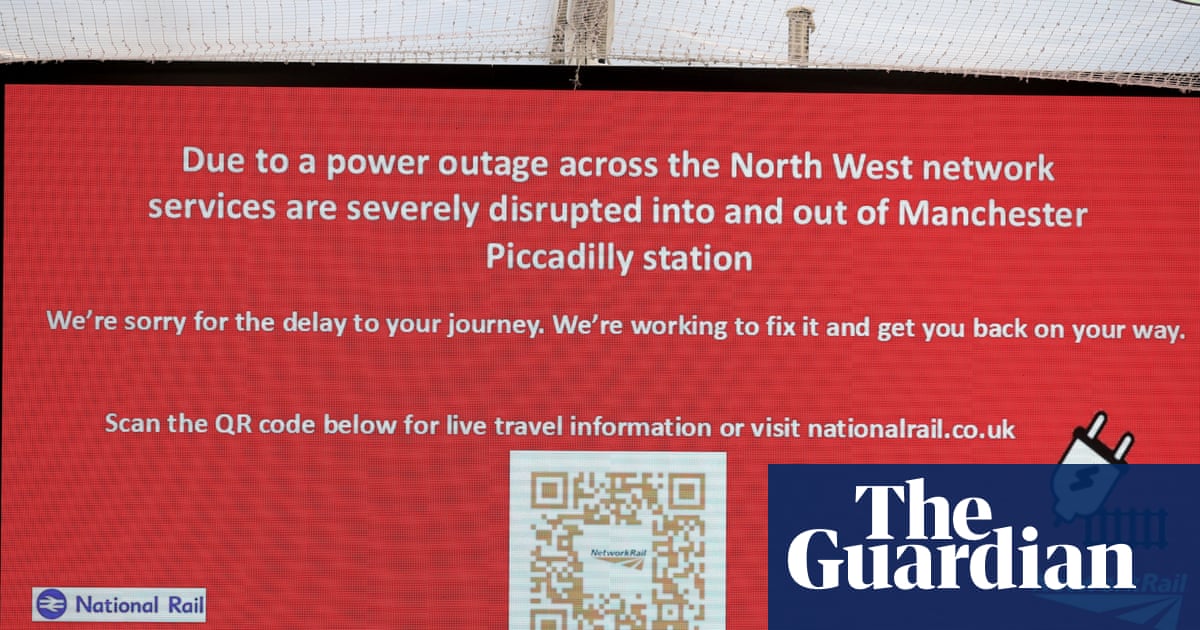
Rail travel across northwest England remains severely disrupted on Friday morning, marking the second day of widespread chaos following a critical power failure at a regional signaling center. The outage, which originated shortly before 2:00 p.m. on Thursday, has prevented the network from returning to normal operations despite overnight repair efforts. National Rail authorities have indicated that while some trains are now moving, significant delays are likely to persist until noon as operators struggle to reposition crews and locomotives that were left in incorrect locations during the shutdown.
The disruption affects a broad range of train operating companies, including Avanti West Coast, East Midlands Railway, Northern, TransPennine Express, and Transport for Wales. Services operated by CrossCountry and London Northwestern Railway were also heavily impacted during the initial failure. The geographic scope of the issue is concentrated in Greater Manchester, the Midlands, and the wider northwest region, where thousands of passengers have been unable to complete their intended journeys. This concentration of impact underscores the central role that the Manchester facility plays in managing rail traffic for this densely populated corridor.
Passengers are being urged to exercise caution and verify service status before attempting to travel. Northern Rail has explicitly advised against traveling before 10:00 a.m., while TransPennine Express has warned customers to prepare for continued disruption until midday. National Rail stated that some services may be canceled entirely or revised to run only for partial routes until the system can fully recover. These advisories reflect the logistical challenge of untangling a network where trains and staff are not aligned with their scheduled starting points, a common consequence of sudden signaling failures.
The facility involved in the outage is one of twelve modern operating centers designed to eventually manage the entire British rail network. Network Rail opened this specific center in Manchester in 2014 as part of a broader strategy to consolidate and upgrade signaling control. The reliance on such centralized digital infrastructure means that a single point of failure can have outsized effects on regional connectivity. Engineers worked through the night to restore the signaling systems, but the complexity of resetting the network has slowed the return to normalcy.
Compounding the technical difficulties was the discovery of a wartime bomb near the railway line between Tamworth and Burton-on-Trent. This security incident deepened the disruption on Thursday, adding another layer of complexity to an already strained operational environment. While the primary cause of the Friday morning delays remains the aftermath of the power failure, the earlier bomb discovery contributed to the overall instability of the schedule, forcing additional rerouting and safety checks that further delayed recovery efforts.
Network Rail’s north-west route director, Chris Wright, acknowledged the frustration caused by the outage and thanked passengers for their patience. He noted that engineers had worked tirelessly to restore systems and expressed satisfaction that most services were running by Friday morning. However, he cautioned that some disruption would continue as operators work closely with Network Rail to return services to normal as quickly as possible. The emphasis on checking travel information before departure highlights the fluid nature of the situation, where schedules are subject to rapid change.
Industry observers suggest that the full resolution of this incident may take longer than initially hoped. Andy Bowes-Roden, deputy editor at Modern Railways magazine, indicated that while disruption might ease throughout the day, it would likely not be fully sorted until the following morning. He noted that rail passengers are protected by regulations requiring operators to deliver them to their promised destinations, but these protections often come in the form of refunds rather than immediate transport solutions. This suggests that many affected travelers may face financial compensation processes in the coming days.
The incident serves as a stark reminder of the fragility inherent in modernized rail infrastructure. As the network transitions to more centralized digital control systems, the potential for widespread disruption from single technical failures increases. The current situation illustrates the logistical nightmare of recovering from such events, where the misalignment of physical assets and personnel creates a ripple effect that persists long after the initial technical fault is resolved. Passengers in the northwest are advised to remain flexible and monitor updates closely as the network attempts to stabilize.
Sources behind this briefing
Go to the original reporting
- The Guardian World↗Rail passengers face second day of chaos across north-west England