The short version
- Independent MP Yiŋiya Guyula has resigned from the Northern Territory parliament, accusing the ruling government of implementing oppressive laws.
- Guyula characterized the legislative approach as contributing to a cultural breakdown and described the impact on Indigenous communities as a slow genocide.
- A by-election will be held for the Mulka seat, though officials have not yet announced a specific date for the vote.
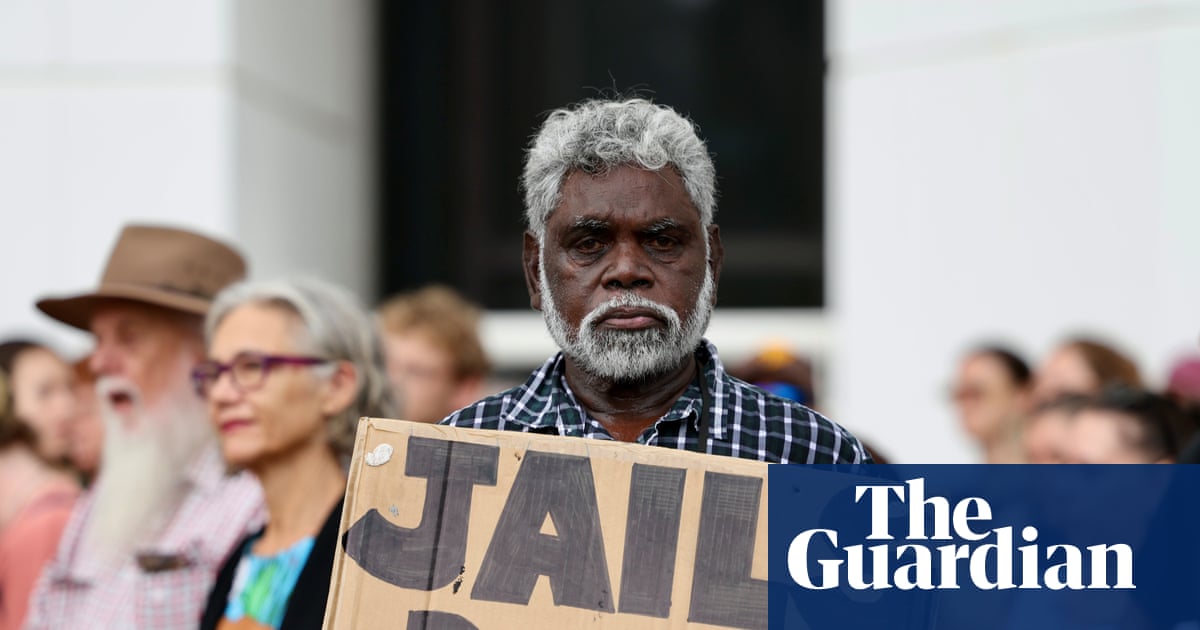
Yiŋiya Guyula, the independent member for the Northern Territory electorate of Mulka, has resigned from parliament. The Yolŋu politician cited an inability to work with the ruling Country Liberal Party government, which he accused of enacting legislation that harms Indigenous communities. His departure marks a significant rupture in local politics and highlights deepening tensions between First Nations representatives and territorial authorities.
In a public statement released on Wednesday, Guyula expressed frustration with what he described as a consistent refusal by the Finocchiaro administration to engage in genuine partnership. He argued that the government operates under the assumption that it knows best for Indigenous people, rather than collaborating with them. This dynamic, he suggested, reduces Aboriginal communities to political tools used for short-term gains without delivering meaningful improvements.
The resignation follows intense controversy surrounding new child protection laws passed by the territory legislature. These measures faced widespread criticism from Indigenous organizations and community leaders. The backlash was severe enough to prompt the resignation of Shahleena Musk, the Northern Territory children’s commissioner, just last month. Guyula stated that he had appealed for the bill to be withdrawn but was ignored.
Guyula specifically condemned the legislative process, noting that changes were made without consulting the communities affected. He described the recent laws as dehumanizing and oppressive, arguing they actively destroy social structures within Indigenous groups. His language was stark, characterizing the cumulative effect of these policies as a slow genocide that is eroding culture and well-being.
The personal toll of these political struggles was evident in Guyula’s remarks regarding his family. He shared that he had recently buried a younger brother and was preparing for the funeral of an older sibling. He linked these personal losses to broader patterns of avoidable deaths within Indigenous populations, describing a cycle of grief that leaves communities physically, mentally, and spiritually exhausted.
Supporters have praised Guyula’s decision to step down as a principled stand against injustice. Malarndirri McCarthy, the minister for Indigenous Australians, described him as a leader of great strength who carried a deep sense of justice throughout his tenure. She highlighted his unique background as a commercial pilot and bilingual educator, noting that his advocacy for homelands and against racism will likely continue outside parliament.
Lidia Thorpe, an independent senator from Victoria, also issued a statement expressing solidarity with Guyula. She called his resignation heartbreaking and celebrated his historic achievement of being elected three times as an independent candidate. Thorpe emphasized the importance of sovereign Indigenous voices in politics, noting that Guyula demonstrated how representatives can remain accountable directly to their people rather than to party lines.
Guyula was first elected to represent Nhulunbuy, now known as Mulka, in 2016. His departure leaves a vacancy in the Northern Territory parliament that will require a by-election to fill. While authorities have confirmed that a new vote will take place, they have not yet announced a specific date for the election. The outcome may reflect shifting political sentiments in the region following this high-profile resignation.
The Country Liberal Party government has not yet provided a detailed response to Guyula’s accusations. Journalists have approached officials for comment regarding the allegations of oppressive legislation and lack of consultation. As the territory prepares for the upcoming by-election, the debate over how best to support Indigenous communities and respect their sovereignty remains unresolved.
This resignation underscores the ongoing challenges in bridging the gap between government policy and community needs in the Northern Territory. The conflict over child protection laws serves as a flashpoint for broader issues regarding self-determination and cultural preservation. Observers will watch closely to see how the new representative approaches these contentious matters and whether the government adjusts its strategy in response to this significant political shift.
Sources behind this briefing
Go to the original reporting
- The Guardian World↗First Nations MP resigns from NT parliament, accusing government of passing laws which are ‘dehumanising, oppressing and destroying” Indigenous people

