The short version
- The North Tyneside Hackney Carriage Association is requesting an eight percent fare increase to address soaring fuel and vehicle maintenance costs.
- Councillors express concern that the proposed hike could disproportionately affect elderly residents and those struggling with the cost of living crisis.
- The proposal includes specific adjustments for additional charges, such as fees for transporting pets and penalties for theft-related incidents.
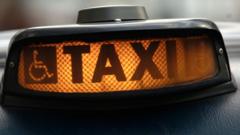
Taxi operators in North Tyneside are pressing local authorities to approve a significant adjustment to fare structures, citing unsustainable operational costs. The North Tyneside Hackney Carriage Association has formally urged the council to implement an eight percent increase in prices for hackney carriages. This category of vehicle includes those that can be hailed on the street or picked up from designated ranks, distinguishing them from pre-booked private hire vehicles which are not subject to this specific proposal.
The primary driver behind the request is the sharp escalation in fuel prices and the broader cost of living crisis. Operators report that expenses for vehicle parts and insurance have also surged, creating financial pressure on the trade. The association argues that without an adjustment to fares, drivers will struggle to maintain service levels and cover their increasing overheads. The proposed change would result in an average cost of £5.52 per mile for a standard three-mile journey, reflecting the new pricing model.
Beyond base fares, the proposal outlines increases in several ancillary charges. Fees for transporting dogs and other animals, excluding service animals, are set to rise from £3 to £4. Additionally, extra charges related to fines for car theft incidents would increase from £125 to £130. These adjustments are part of a broader effort to align revenue with the current economic reality faced by taxi businesses in the region.
However, the proposal has met with resistance from local government officials who are concerned about the impact on residents. Labour councillor John O'Shea has voiced skepticism regarding the magnitude of the suggested hike. He emphasized that residents in North Tyneside are also grappling with high living costs and may not be able to absorb an eight percent increase without significant hardship. O'Shea called for a more balanced approach that considers both the financial pressures on drivers and the economic constraints faced by the community.
The concerns extend particularly to elderly residents, who often rely on hackney carriages for essential travel. Councillors have highlighted the vulnerability of this demographic, noting that fare increases could limit their mobility and access to services. O'Shea suggested that the director of public health review the proposal to ensure that any changes do not disproportionately affect those most at risk. He acknowledged the difficulties faced by the taxi trade but insisted that a compromise is necessary.
The decision-making process involves several steps before any changes can be implemented. The fare proposals must first receive approval from the director of public health. Once approved, the plans will be made public for a minimum of fourteen days, during which time objections can be raised. This period allows for community feedback and ensures that all stakeholders have an opportunity to voice their concerns before a final decision is reached.
The situation in North Tyneside reflects broader challenges facing the taxi industry across the UK. Rising fuel costs and inflationary pressures are impacting operators nationwide, leading to calls for fare adjustments in various regions. However, each local authority must balance these economic realities with the needs of their residents. The outcome in North Tyneside could set a precedent for how other councils approach similar requests in the future.
As the consultation period approaches, attention will focus on whether a middle ground can be found. The council must weigh the financial sustainability of taxi operators against the affordability of transport for residents. The final decision will likely depend on the strength of objections received during the public consultation phase and the recommendations provided by health officials. Until then, the status quo remains, with drivers continuing to operate under current fare structures while awaiting a resolution.
The debate underscores the complex interplay between local business interests and public welfare. While taxi drivers argue that fare increases are necessary for survival, residents and their representatives caution against measures that could exacerbate financial strain on households. The coming weeks will be critical in determining whether an agreement can be reached that satisfies both parties or if further negotiations will be required to find a viable solution.
Sources behind this briefing
Go to the original reporting
- BBC Business↗Taxi drivers urge council to agree 8% fare hike