The short version
- North Sea oil output is projected to drop to just 15 percent of its peak levels by 2030, marking a significant decline from the era when it fueled national economic growth.
- The Labour government has halted new exploratory licenses in the basin, aligning with international climate goals while aiming to position the UK as a leader in renewable energy exports.
- Despite dwindling reserves and job losses, the resource retains strong symbolic value for sovereignty and national prestige, creating political friction over future exploitation.
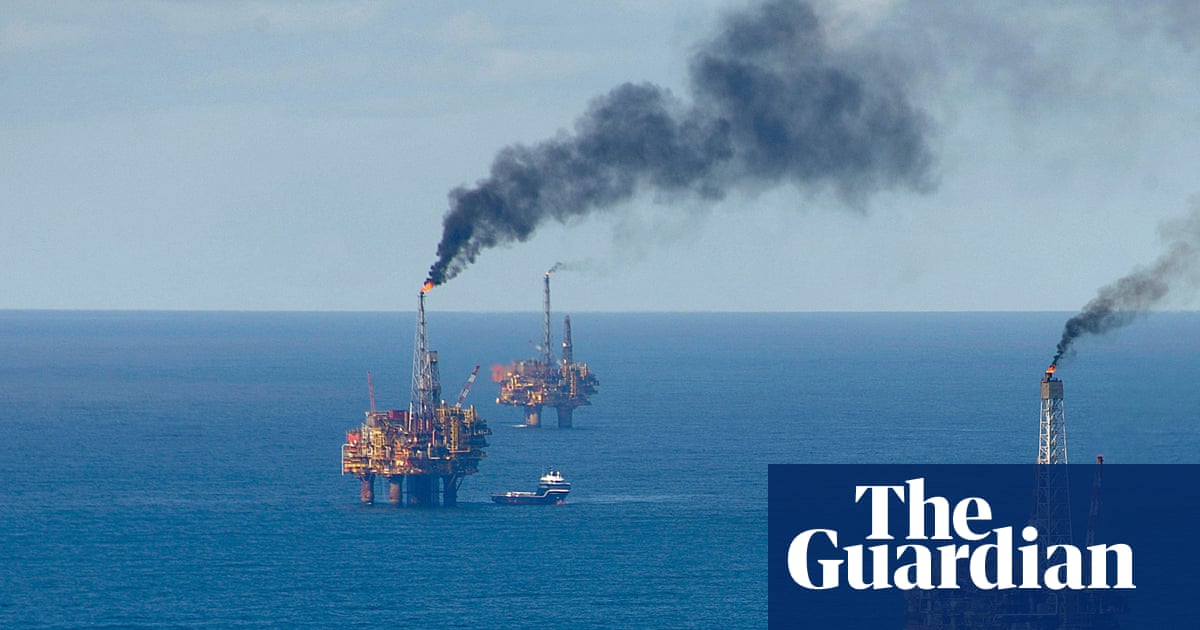
The North Sea oil basin, once the engine of British economic resurgence following the Opec crises of the 1970s, is undergoing a profound transformation that challenges both its financial utility and its cultural standing. Discovered in 1969 off the coast of Scotland, the resource was initially celebrated as a divine gift for national renewal, with then-Prime Minister Jim Callaghan declaring it the best opportunity for Britain in a century. For decades, revenues from the basin supported tax cuts, privatization efforts, and full employment ambitions, peaking at 4.4 million barrels of oil equivalent per day around the turn of the millennium.
Today, that era of abundance is receding rapidly. Economically viable reserves have shrunk significantly over the last twenty years, with projections indicating that production will fall to merely 15 percent of its peak output by 2030. This decline has triggered a wave of corporate exits, including BP’s recent announcement ending six decades of operations in the region. The human cost is equally stark; direct employment in the sector has plummeted from approximately 120,000 during the boom years to roughly 27,000 today, according to Office for National Statistics data.
Despite this economic contraction, the North Sea retains a disproportionate grip on the British political imagination. Historians note that the resource became intertwined with notions of imperial might and international prestige, creating an emotional attachment that persists even as the physical reserves dwindle. For many, the oil represents a sovereign asset that belongs to the nation, leading to a belief that failing to exploit it constitutes a rejection of national heritage. This sentiment fuels ongoing cultural debates, particularly among right-wing politicians who frame fossil fuel extraction as a matter of independence.
The current Labour government has taken a firm stance against further expansion, announcing prior to the 2024 general election that no new exploratory licenses would be issued. This policy aligns with recommendations from the International Energy Agency, which stated in 2021 that avoiding the worst impacts of climate change requires halting new investments in oil, gas, and coal. By closing the door on new drilling, the administration signals a decisive pivot away from fossil fuels toward a cleaner energy infrastructure.
Energy Secretary Ed Miliband has framed this transition not merely as an environmental necessity but as an economic strategy to restore British prosperity. He argues that moving away from volatile fossil fuel markets will allow the UK to become a 'clean energy superpower,' exporting renewable power rather than raw hydrocarbons. This approach aims to insulate families and businesses from external shocks, such as those caused by geopolitical conflicts involving Russia, while creating new employment opportunities in green technology sectors.
The shift also addresses regional disparities in north-east Scotland, where communities have suffered economic decline despite the awarding of hundreds of new drilling licenses in recent years. Miliband contends that a rapid transition to renewable systems can provide a lifeline to these areas, replacing lost oil jobs with sustainable alternatives. This strategy seeks to unshackle the local economy from the cyclical nature of fossil fuel markets and integrate it into a broader, more stable global energy network.
However, the path forward is not without political friction. The symbolic weight of North Sea oil means that decisions regarding its future are rarely viewed through a purely economic lens. Critics argue that abandoning remaining reserves undermines national sovereignty, while proponents of the transition emphasize the long-term risks of climate inaction and market volatility. As the basin’s output continues to fade, the debate over whether to prioritize historical prestige or future sustainability remains central to UK energy policy.
Looking ahead, the success of this transition will depend on the government’s ability to deliver tangible economic benefits to communities affected by the decline of the oil industry. While the immediate loss of jobs and corporate presence is significant, the promise of renewable energy leadership offers a potential pathway to renewed prosperity. The challenge lies in balancing the emotional attachment to past industrial glory with the practical necessities of a changing global energy landscape.
Sources behind this briefing
Go to the original reporting
- The Guardian US↗Drill, Burnham, drill? The oil basin that is a totem for Trump - and a headache for Britain’s new PM

