The short version
- North Korea's leadership stated that reducing the scale of joint U.S.-South Korean military drills does not alter their perceived aggressive nature.
- President Trump ordered the cutbacks to signal goodwill, but Seoul expressed concern over the lack of prior consultation and potential readiness gaps.
- Analysts suggest Pyongyang is unlikely to resume diplomacy without significant concessions, particularly regarding denuclearization demands.
North Korea has rejected President Donald Trump’s decision to scale back joint military exercises with South Korea, asserting that the reduction in size and duration does not change the provocative character of the drills. This stance significantly dampens expectations for a resumption of diplomatic engagement between Pyongyang and Washington. Kim Yo Jong, the sister of North Korean leader Kim Jong Un, issued the country’s first official reaction to the policy shift, stating that her government has no interest in commenting on the adjustments because the fundamental nature of the exercises remains hostile.
The comments from Kim Yo Jong marked a departure from Pyongyang’s typically harsh rhetoric. While she denied any current communications between Trump and her brother, she noted that relations remain 'great' and referenced past positive memories associated with the former U.S. president. This nuanced language suggests an attempt to manage the relationship without conceding ground. However, the statement firmly closed the door on immediate diplomatic breakthroughs, indicating that North Korea views the scaled-back drills as insufficient to warrant a return to negotiations.
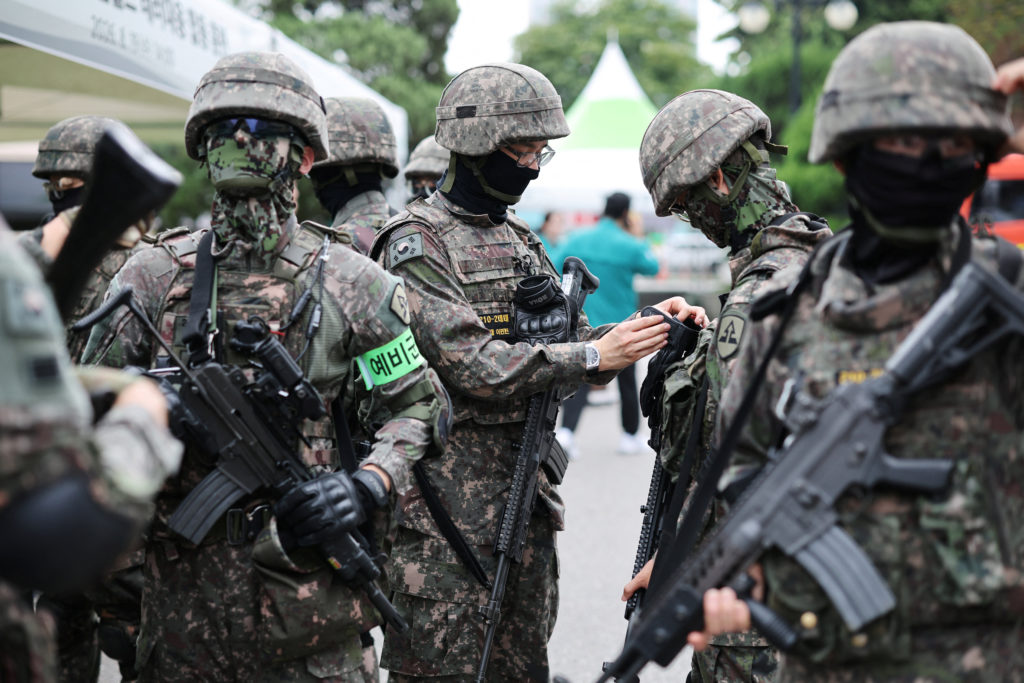
President Trump ordered the Pentagon to substantially reduce the annual Ulchi Freedom Shield exercises, citing his personal rapport with Kim Jong Un and dissatisfaction with South Korea’s refusal to support U.S. positions on Iran. The directive came without prior notice to Seoul, leaving many South Korean officials baffled and raising concerns about the integrity of joint defense readiness. The allies subsequently agreed to end the ongoing drills earlier than planned, converting certain field training events into simulations or canceling them entirely.
The Ulchi Freedom Shield exercise is a cornerstone of the U.S.-South Korea alliance, established in the aftermath of the Korean War. It primarily consists of computer-simulated command post operations designed to test the allies’ ability to respond to potential aggression from the North. Traditionally, these simulations are accompanied by field training exercises. North Korea has long denounced such activities as rehearsals for invasion, often responding with missile tests and other provocative acts. In the days leading up to this month’s drills, Pyongyang launched two ballistic missiles into the sea, underscoring its sensitivity to military posturing.
Military analysts warn that reducing or suspending these exercises carries operational risks beyond immediate political signaling. Commanders rotate periodically, and a suspension could result in personnel unfamiliar with drill procedures participating when activities eventually resume. Yang Uk, an analyst at Seoul’s Asan Institute for Policy Studies, noted that even a one-year pause would disrupt the continuity of training objectives. The Pentagon insisted that the adjustments preserve essential readiness, stating that there would be no degradation to U.S. training goals despite the changes in format and scope.
South Korean media reports indicate that North Korea is particularly sensitive to counteroffensive drills, which were scheduled for the second phase of this month’s exercises. The initial plan involved defensive operations until Friday, followed by counteroffensive simulations until August 27. By truncating the schedule, the U.S. and South Korea avoided the most provocative segment, yet Pyongyang remained unmoved. State media in North Korea published a commentary describing the drills as frantic and dangerous, vowing to frustrate any hostile actions by its rivals.
Experts suggest that Kim Jong Un is currently emboldened by advancements in his nuclear program and expanding military cooperation with Russia. These factors may reduce his incentive to engage with Washington unless substantial concessions are offered. In previous outreach efforts, Kim indicated that he would only return to talks if the United States dropped its demand for denuclearization as a precondition. The current diplomatic stalemate reflects this entrenched position, with Pyongyang viewing the drill reductions as a tactical adjustment rather than a strategic shift.
The transactional nature of Trump’s approach to alliances has drawn scrutiny, particularly regarding the unilateral decision-making process that excluded Seoul from early consultations. While the U.S. aims to leverage military posturing for diplomatic gains, the lack of coordination with a key ally complicates the broader security architecture in Northeast Asia. As both sides assess the impact of these changes, the immediate future appears marked by continued tension and limited prospects for dialogue.
Looking ahead, the focus will likely shift to how both Washington and Pyongyang interpret these moves in the context of broader geopolitical strategies. North Korea’s refusal to engage suggests that symbolic gestures alone are insufficient to overcome deep-seated mistrust. Meanwhile, South Korea must navigate the balance between maintaining strong ties with the U.S. and managing regional stability. The coming months will reveal whether this pause in large-scale exercises leads to any meaningful de-escalation or merely serves as a prelude to further confrontation.
Sources behind this briefing
Go to the original reporting
- PBS NewsHour↗North Korea shrugs off Trump's scaled-back drills with South Korea, saying it changes nothing

