The short version
- A North Carolina teenager died on August 31 after contracting a fatal infection from Naegleria fowleri, a single-celled organism found in warm freshwater.
- Health officials note that the amoeba enters through the nose to cause brain damage, with symptoms progressing rapidly from severe headaches to coma and death within days.
- This case follows a similar fatality in Louisiana earlier this month, raising concerns about the expanding geographic range of the pathogen due to rising water temperatures.
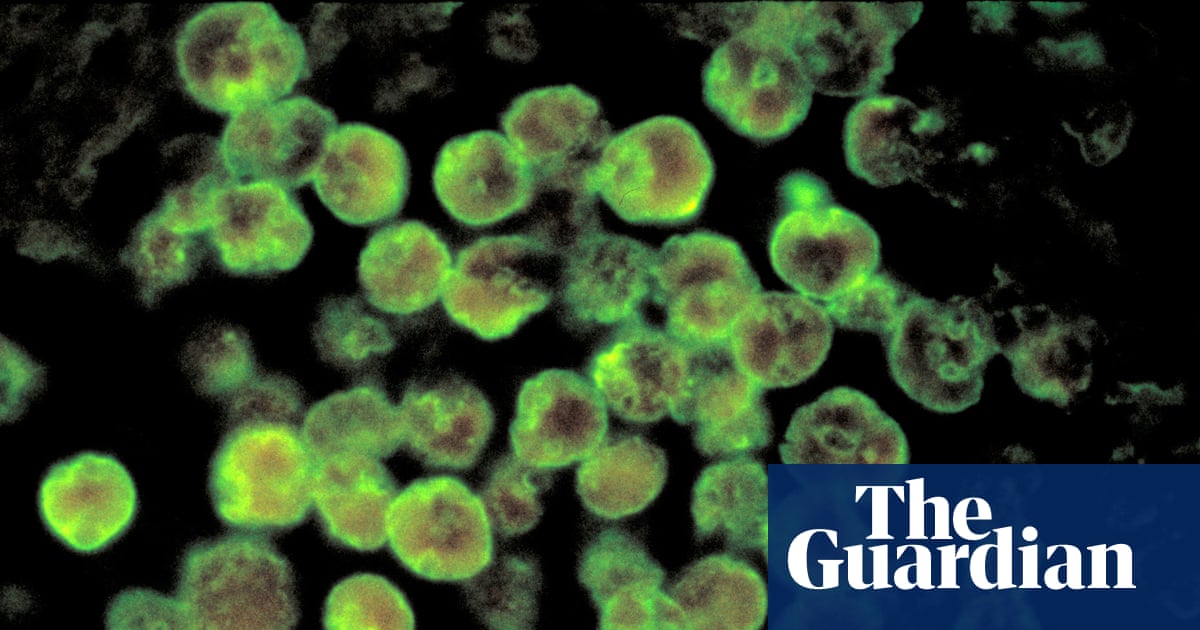
A teenager in North Carolina has died after contracting a rare and typically fatal infection caused by Naegleria fowleri, commonly known as the brain-eating amoeba. The North Carolina Department of Health and Human Services confirmed the death on Monday, August 31, extending condolences to the family and community affected by the loss. The state health agency had previously reported that the boy was critically ill and receiving medical care after developing symptoms associated with the single-celled organism, which thrives in warm freshwater environments.
Moises Ponce Mendoza, identified by his mother Monica Mendoza in an online fundraising campaign, fell ill with severe headaches on August 21. According to family accounts, he was initially taken to a hospital in Burlington but was sent home after a brief examination. His condition deteriorated rapidly, prompting his mother to rush him to the University of North Carolina hospital’s emergency department early the following morning. Medical staff there diagnosed him with an infection caused by Naegleria fowleri, noting that the pathogen had entered through his nose and reached his brain, causing significant inflammation and damage.
The progression of primary amebic meningoencephalitis, or PAM, is notoriously swift and aggressive. The Centers for Disease Control and Prevention describe symptoms that often begin with severe headaches, fever, nausea, and vomiting. These initial signs can quickly escalate to include a stiff neck, seizures, and coma. In most documented cases, the illness advances rapidly, leading to death within approximately five days of symptom onset. The CDC reports that more than 97 percent of individuals who contract PAM do not survive the infection, underscoring the extreme lethality of the disease once it takes hold.
Naegleria fowleri is commonly found in warm ponds, lakes, and rivers across the United States. It does not survive in saltwater or in properly maintained, chlorinated swimming pools. The organism is harmless if swallowed but becomes dangerous when contaminated water enters the nasal passages during activities such as diving, water-skiing, or jumping into water. Health officials emphasize that the risk lies specifically in submerging the head or forcing water up the nose in warm freshwater bodies, particularly during periods of prolonged hot weather when surface temperatures rise.
This tragedy follows closely on the heels of another fatality involving the same pathogen. An eight-year-old girl from Louisiana died on August 23 after contracting Naegleria fowleri, reportedly while swimming in Lake Claiborne. She had been hospitalized for eight days before her death. The proximity of these two cases has drawn attention to the persistent threat posed by the amoeba during summer months, particularly in regions where freshwater temperatures remain elevated for extended periods.
Scientists and public health experts have raised concerns about the changing environmental conditions that may facilitate the spread of Naegleria fowleri. As climate patterns shift and water temperatures rise, the amoeba is being detected in areas where it was not traditionally found. Researchers note an apparent expansion of the pathogen’s range from southern states into the Midwest. Charles Gerba, a microbiologist at the University of Arizona, previously noted that the organism favors warm surface waters during summer months in northern latitudes, suggesting that warming trends could increase exposure risks in new regions.
To mitigate the risk of infection, health authorities advise swimmers to keep their heads above water when entering warm freshwater bodies. They recommend using nose clips or holding one’s nose shut while diving or jumping into lakes and rivers. Additionally, officials warn against disturbing sediment in shallow, warm waters and advise avoiding submersion of the head in hot springs or thermal waters. These precautions are critical because early symptoms can mimic those of bacterial meningitis or viral infections, potentially delaying diagnosis and treatment.
The rarity of these cases often leads to initial misdiagnosis or dismissal of symptoms as less serious conditions. In Moises Ponce Mendoza’s case, the delay in receiving appropriate care at the first hospital visit may have impacted his outcome, though officials have not specified whether earlier intervention could have altered the result. The rapid deterioration characteristic of PAM leaves little window for effective treatment, making prevention through behavioral precautions the most reliable defense against this deadly pathogen.
As summer continues and water temperatures remain high across much of the country, health departments are reminding the public to remain vigilant. While fewer than ten cases are typically reported in the United States each year, the severity of the outcomes demands serious attention. The recent deaths in North Carolina and Louisiana serve as stark reminders of the dangers associated with warm freshwater recreation and the importance of adhering to safety guidelines to prevent nasal exposure to contaminated water.
Sources behind this briefing
Go to the original reporting
- The Guardian US↗North Carolina teenager dies from rare infection caused by brain-eating amoeba

