The short version
- Infrastructure failures in North Carolina's Outer Banks are straining local economies and testing voter loyalty ahead of a high-stakes congressional rematch.
- Republican-led redistricting aimed to secure the First District by adding conservative coastal voters, but disaster response concerns may undermine this strategy.
- Federal aid announcements have arrived without long-term solutions for erosion and housing instability, leaving residents frustrated despite partisan affiliations.
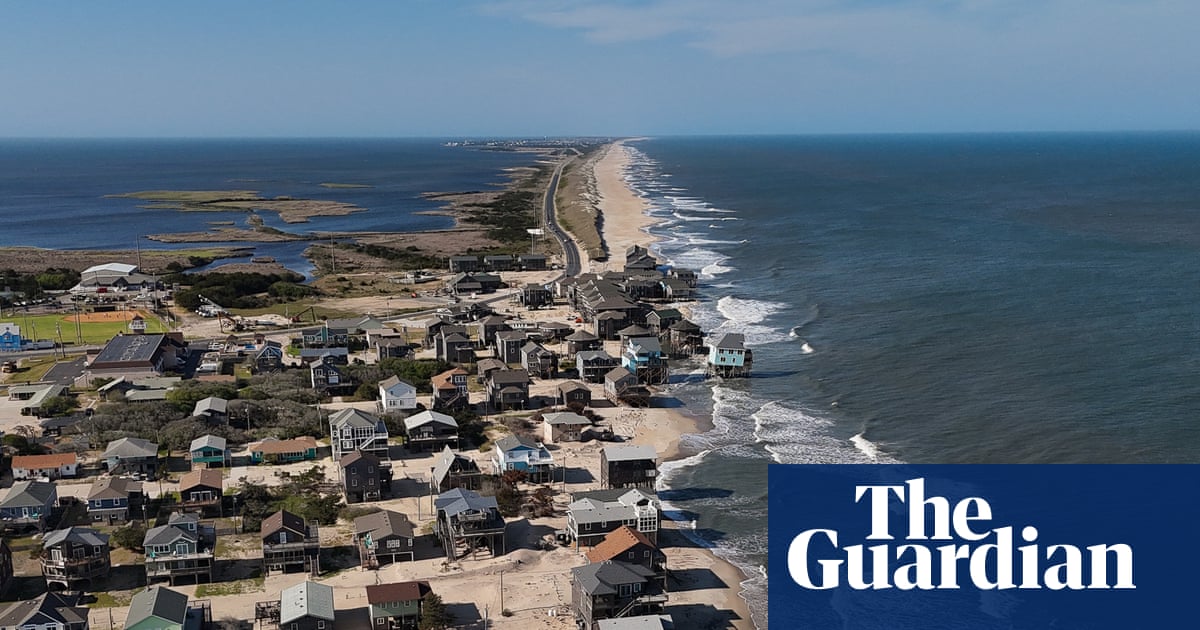
The political landscape of North Carolina’s First Congressional District is shifting under the weight of severe weather events that have disrupted daily life in Dare County. Highway 12, a critical artery connecting the Outer Banks to the mainland, has repeatedly failed due to storm debris and erosion, turning routine commutes into multi-hour logistical challenges. For residents like Aida Havel, a county commission candidate living on Hatteras Island, these disruptions are not merely inconveniences but existential threats to their livelihoods and safety. The road closures have forced locals to rely on ferries that frequently reach capacity, leaving many stranded or requiring them to rent temporary housing just to access basic services.
This infrastructure crisis is unfolding against the backdrop of one of the most expensive congressional races in United States history, with spending exceeding $52 million. The contest pits incumbent Democrat Don Davis against Republican Laurie Buckhout in a rematch that has drawn intense national attention. While the financial stakes are high, the immediate concerns for many voters revolve around tangible issues such as road accessibility and economic stability. Local businesses, including restaurants, shops, and service providers, are suffering significant revenue losses as tourism slows and fishing tournaments are canceled. The shoulder season income that typically sustains these enterprises through winter is evaporating, creating a widespread sense of economic disaster in a region that ranks fourth in the state for tourism-driven revenue.
The federal response to these challenges has been viewed by some residents as inadequate or delayed. Although FEMA announced a $101 million relief package in late October, including funds for demolishing unstable structures, many locals feel this does not address the root causes of their vulnerability. The shoreline continues to retreat at a rate exceeding 15 feet per year, and there is no comprehensive long-term plan to manage this erosion or rebuild resilient infrastructure. Insurance companies often refuse to cover demolition costs until properties are completely destroyed, leaving homeowners in limbo with decaying structures that pose safety hazards. This lack of forward-looking strategy has fueled frustration among constituents who feel abandoned by both state and federal authorities.
Republican strategists had anticipated that redistricting efforts would secure a victory in this district. The state legislature, controlled by Republicans, redrawn the map last year to pack more conservative voters into the First District, shifting its partisan lean significantly. Previously, the area voted for Donald Trump by a narrow margin of one point in 2024, allowing Davis to win by approximately 6,300 votes. The new boundaries removed Black voters from reliably Democratic counties like Wilson and replaced them with rural Republicans along the Virginia border and the coast. This maneuver transformed a district that slightly favored Republicans into one expected to favor them by about ten points, reflecting a broader national trend of gerrymandering aimed at maximizing partisan advantage.
However, the effectiveness of this redistricting strategy is being tested by the disconnect between political engineering and on-the-ground realities. Craig Jones, a Republican activist in Dare County, acknowledged that while affordability is a concern, it may not be the primary driver for many local voters. He noted that the area remains polarized, with many residents fearing Democratic policies related to taxes and individual freedoms. Despite these ideological alignments, the tangible impact of flooding and infrastructure neglect is eroding support for the party in power. Jones expressed confidence that Buckhout would win Dare County specifically, but admitted uncertainty about neighboring areas, suggesting that the redistricting gains might not translate into a decisive overall victory if voter turnout or sentiment shifts due to dissatisfaction with disaster management.
The situation in North Carolina mirrors broader trends seen elsewhere in the state, particularly in western regions affected by Hurricane Helene. In those areas, a perceived lackluster response from the Trump administration contributed to Republican losses in the 11th Congressional District. Residents in mountain communities like Spruce Pine and Burnsville faced similar feelings of isolation and abandonment during previous flooding events. The recurrence of such narratives in coastal counties suggests that disaster preparedness and response are becoming critical factors in electoral outcomes, potentially outweighing traditional partisan loyalties. Voters who feel trapped by physical barriers and bureaucratic inertia may prioritize competence and empathy over ideological consistency.
As the election approaches, the interplay between climate-related infrastructure failures and political strategy will likely define the narrative for both campaigns. The Outer Banks, known historically as the graveyard of the Atlantic due to numerous shipwrecks, now faces a different kind of peril: the potential sinking of Republican ambitions in a district they believed they had secured through map-drawing. The absence of a coherent long-term plan for coastal resilience leaves residents vulnerable not only to natural forces but also to political neglect. Whether this discontent translates into votes for Davis remains uncertain, but it underscores the growing importance of local issues in national elections.
Looking ahead, the outcome of this race could signal broader shifts in how voters respond to climate-induced disruptions and government performance. If Republicans fail to capitalize on their redistricting advantages due to dissatisfaction with disaster response, it may indicate a recalibration of voter priorities in swing districts. Conversely, if partisan identity holds firm despite local grievances, it would reinforce the resilience of gerrymandered maps. Either way, the experience in Dare County offers a stark illustration of the challenges facing communities on the front lines of climate change and political polarization.
The coming weeks will reveal whether the economic pain and logistical frustrations experienced by Outer Banks residents can overcome deep-seated partisan affiliations. With no clear resolution to the infrastructure problems and limited federal guidance on long-term adaptation, voters are left to weigh their immediate needs against broader political ideologies. This dynamic adds complexity to an already contentious race, highlighting the limitations of top-down political strategies when confronted with bottom-up realities.
Ultimately, the story of North Carolina’s First District is not just about one election but about the intersection of climate vulnerability, infrastructure policy, and democratic representation. As other regions face similar challenges, the lessons from Dare County may provide insights into how future elections will be shaped by environmental crises and governmental responses. The stakes extend beyond the immediate contest, touching on fundamental questions about accountability, resilience, and the role of government in protecting citizens from increasingly frequent and severe weather events.
Sources behind this briefing
Go to the original reporting
- The Guardian US Politics↗A lackluster response to North Carolina flooding disasters is eroding Republican support in one county