The short version
- Karl Deisseroth, Peter Hegemann, and Georg Nagel share the 2026 Nobel Prize in Physiology or Medicine for their work on optogenetics.
- The laureates developed methods to activate or silence specific neurons using light-gated ion channels, allowing precise control over brain activity.
- The award highlights a major advancement in understanding neural mechanisms, though it underscores the persistent gender gap among prize winners.
The Nobel Prize in Physiology or Medicine for 2026 has been awarded to three scientists who fundamentally changed how researchers study and manipulate the human brain. The Royal Swedish Academy of Sciences announced the decision on Monday, recognizing the laureates for their discoveries concerning light-gated ion channels and the field of optogenetics. This award marks the 117th time the prestigious honor has been bestowed, continuing a long tradition of celebrating breakthroughs in medical science.
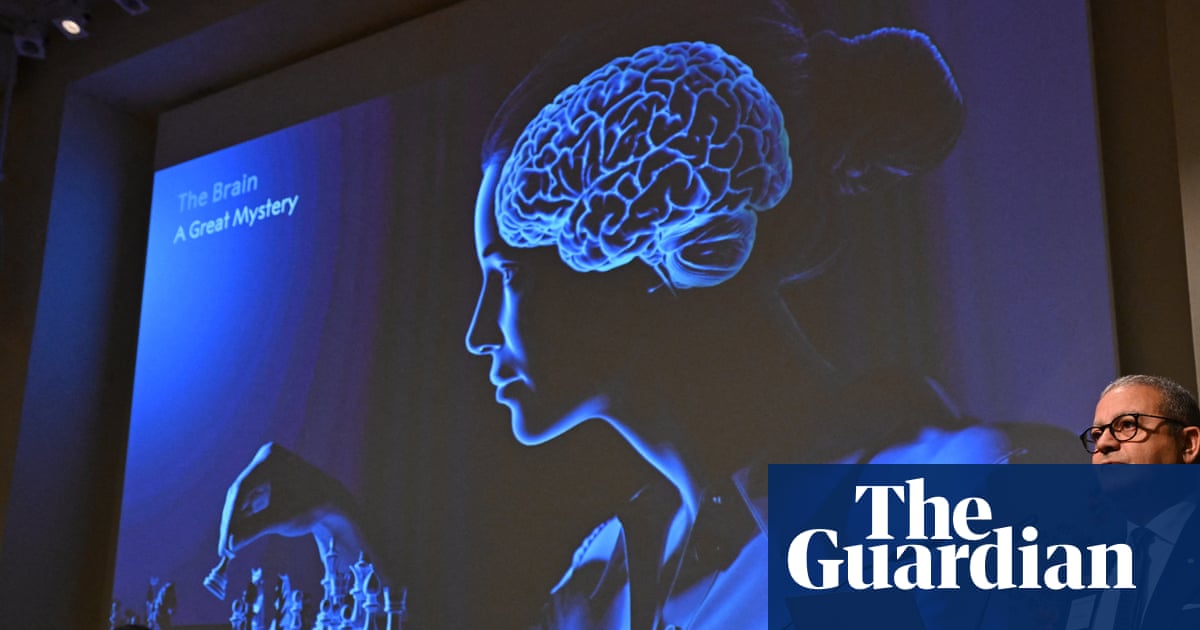
The central achievement honored by this year’s prize is the ability to switch individual nerve cells on or off with precision. Before these discoveries, observing brain activity was largely passive; scientists could watch neurons fire but struggled to determine cause and effect within complex neural circuits. The work of Karl Deisseroth, Peter Hegemann, and Georg Nagel provided a toolset that allows researchers to actively control specific cells, offering unprecedented insight into the mechanisms governing brain function.
Karl Deisseroth, affiliated with both the Howard Hughes Medical Institute and Stanford University, played a pivotal role in applying these techniques to mammalian brains. His work demonstrated how light-sensitive proteins could be introduced into neurons, allowing external light sources to trigger or inhibit electrical signals. This capability has since become a standard method in neuroscience laboratories worldwide, enabling scientists to map neural pathways with greater accuracy than previously possible.
Peter Hegemann of Humboldt University in Berlin and Georg Nagel of the University of Würzburg contributed foundational discoveries regarding the ion channels themselves. Their research identified and characterized the proteins that respond to light, which are naturally found in certain microorganisms. By isolating these light-gated ion channels, they provided the molecular building blocks necessary for Deisseroth’s later applications in higher organisms. The collaboration between these distinct areas of expertise—microbiology and neuroscience—was essential to the development of optogenetics.
The practical significance of this technology extends beyond basic research. By allowing scientists to pinpoint which neurons are responsible for specific behaviors or diseases, optogenetics has opened new avenues for understanding conditions such as depression, Parkinson’s disease, and epilepsy. While clinical applications in humans remain in early stages, the ability to manipulate neural activity with light offers a powerful framework for testing therapeutic hypotheses that were previously untestable.
The laureates will share a prize of 12 million Swedish kronor, which is approximately £901,500. The announcement was made by the Nobel assembly at the Karolinska Institute in Stockholm, Sweden. The ceremony and award presentation are scheduled to take place later this year, following the traditional timeline for Nobel honors. The financial reward supports the laureates’ ongoing research and institutions.
Despite the celebration of scientific achievement, the announcement also highlighted a persistent disparity in the history of the prize. Out of 235 total laureates in Physiology or Medicine, including the three new winners, only 14 have been women. This statistic has drawn attention from advocates for gender equality in science, who point to the slow progress in recognizing female contributions to medical research over more than a century of awards.
The recognition of optogenetics underscores a shift toward tools that allow for active intervention in biological systems rather than mere observation. As neuroscience continues to grapple with the complexity of the brain, techniques that offer precise control over cellular activity are likely to remain central to future discoveries. The work of Deisseroth, Hegemann, and Nagel has not only answered long-standing questions about neural function but also provided a versatile platform for exploring the remaining mysteries of the mind.
Looking ahead, the scientific community will likely focus on refining these techniques for broader applications. Researchers are already working to improve the safety and specificity of light-gated channels for potential human therapies. The Nobel Committee’s decision signals confidence in the long-term impact of optogenetics, suggesting that its influence on medicine and biology will continue to grow in the coming decades.
Sources behind this briefing
Go to the original reporting
- NPR↗Nobel medicine prize goes to 3 scientists for research into brain activity
- The Guardian US↗Nobel prize in medicine 2026 awarded for research into mysteries of brain

