The short version
- Nithya Raman defeats Mayor Karen Bass in a significant upset that alters the political trajectory of Los Angeles.
- Voters cited dissatisfaction with Bass's handling of the Palisades Fire and persistent homelessness as key factors in their decision.
- Raman pledges to overhaul city services, including housing, transit, and police relations with federal immigration authorities.
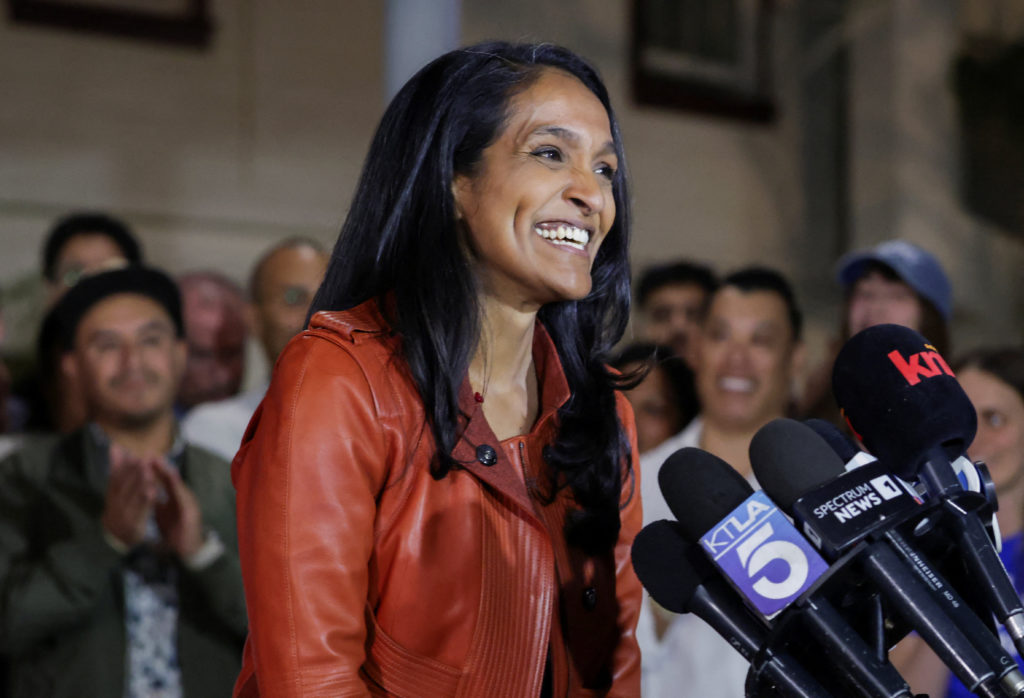
Nithya Raman has defeated incumbent Mayor Karen Bass in the Los Angeles mayoral election, securing a victory that signals a profound shift in the governance of the nation’s second-largest city. The result represents an upset for Bass, who becomes the first mayor of Los Angeles in twenty years to lose a bid for reelection. Raman, a City Council member affiliated with the Democratic Socialists of America, entered the race late in the cycle after initially endorsing Bass, citing a breaking point in local politics and a need for new leadership.
The election outcome reflects broader national trends where insurgent left-wing candidates have challenged establishment Democrats. Raman’s win follows similar victories by democratic socialists in other major municipalities, including Zohran Mamdani in New York, Janeese Lewis George in Washington, D.C., and Katie Wilson in Seattle. While Raman did not attract the same level of national media attention as some of her counterparts, her campaign resonated with voters seeking a departure from the status quo.
Bass’s tenure was significantly impacted by the deadly Palisades Fire, which occurred while she was out of the country and caught emergency services unprepared. The disaster left many residents feeling that the administration failed to hold leadership accountable for the devastation. This sense of failure lingered throughout the campaign cycle, preventing Bass from recovering her standing among voters despite her long history in public service.
Raman’s platform focuses on addressing long-standing urban challenges that have persisted under previous administrations. She has promised to construct affordable housing, improve parks for children, and upgrade the transit system to better serve residents. Her vision includes creating a safer environment for working families and ensuring that city government is capable of delivering on its commitments. These promises aim to restore what she describes as an ambitious, joyful, and creative Los Angeles.
A central component of Raman’s agenda involves a new approach to homelessness. She criticized Bass’s efforts as ineffective and proposed expanding medical teams for individuals living in encampments and on the streets. The goal is to build trust with this population and eventually move them into permanent housing. Raman also plans to reduce the number of people sleeping in tents by at least half by 2028, coinciding with the city’s hosting of the Olympic Games.
Infrastructure improvements are another key priority for the incoming mayor. Raman has highlighted deteriorating basic services, including dirty streets, potholes, buckled sidewalks, and broken streetlights. Her administration intends to address these visible signs of neglect that have frustrated residents in various neighborhoods across the city. These practical concerns appear to have played a significant role in shifting voter sentiment away from the incumbent.
Raman has also signaled changes in law enforcement policy, specifically regarding the police chief’s relationship with federal immigration authorities. She views the current approach as too accommodating and plans to oust the chief. This stance aligns with her broader progressive platform and appeals to voters concerned about civil liberties and local control over policing practices.
President Donald Trump commented on the rise of democratic socialist mayors, warning that the impact of their policies might be irreversible if they go too far. He suggested that while unhappy citizens could eventually demand change, it often happens too late to reverse course. This reaction underscores the national political significance of Raman’s victory and the ideological divide surrounding her platform.
Bass conceded the race and called Raman to congratulate her on the win. She stated that the people of Los Angeles had spoken and committed to ensuring a smooth transition of power. As Raman prepares to take office next month, she joins a growing group of democratic socialists in municipal leadership positions, marking a new chapter for Los Angeles politics.
The election highlights deep divisions within the Democratic Party and voter restlessness over persistent urban problems. Polling data indicated that a significant portion of likely voters were concerned about reducing homelessness and improving city services. Raman’s ability to capitalize on these frustrations suggests that her administration will face both high expectations and substantial challenges in implementing her agenda.
Sources behind this briefing
Go to the original reporting
- PBS NewsHour↗Democratic socialist Nithya Raman defeats Los Angeles Mayor Karen Bass in upset
- The Guardian US Politics↗Democratic socialist Nithya Raman defeats Karen Bass to win Los Angeles mayoral race – video


