The short version
- A Learjet 60 carrying nine people crashed in Greenacres, Florida, killing all aboard during a period of intense thunderstorm activity.
- Audio recordings reveal the crew reported wing icing and a rapid descent before impact, raising questions about flight path decisions.
- Federal investigators are focusing on whether air traffic control and pilots adequately managed the risks associated with flying into severe weather.
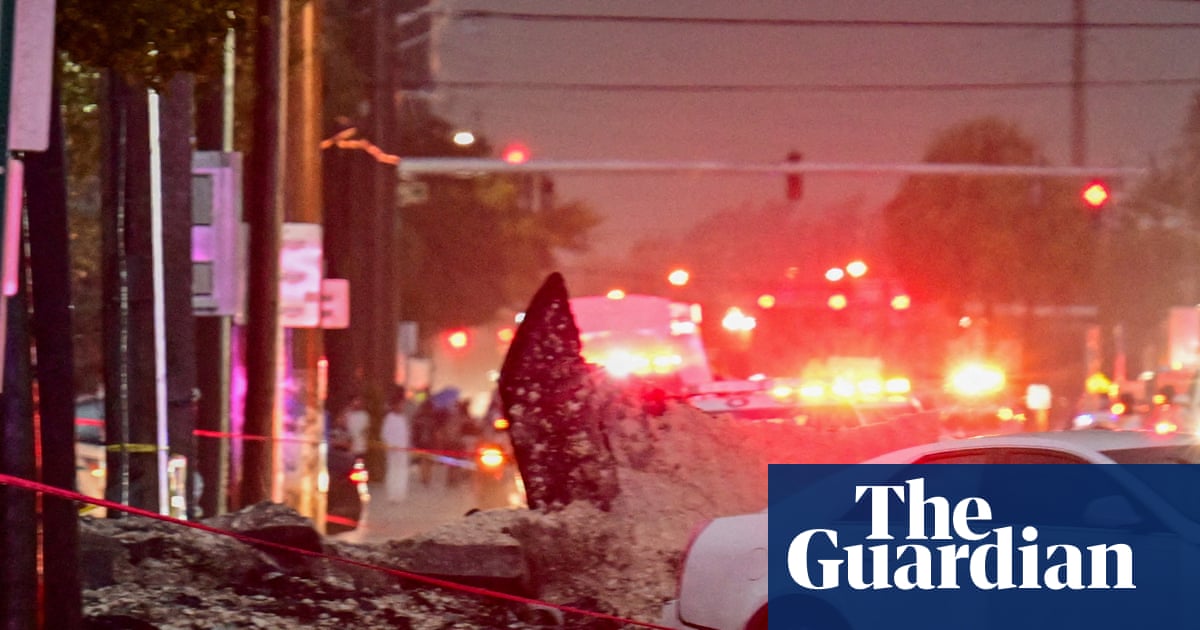
A private Learjet 60 crashed in Palm Beach County on Sunday afternoon, killing all nine people on board. The aircraft, which was traveling from Austin-Bergstrom International Airport in Texas to North Eleuthera Airport in the Bahamas, struck the ground near a mobile home park in Greenacres at approximately 12:50 p.m. local time. The impact created a large crater and scattered debris across the site. Florida Governor Ron DeSantis described the event as a cataclysmic crash that resembled a missile descending from the sky, though he noted that no injuries or fatalities were reported among people on the ground.
Family members have begun identifying the victims. Nathalia Filgueiras, a 20-year-old co-pilot from Boca Raton, was confirmed to be among those who died. Her mother told reporters that Filgueiras worked for Upper Jets, a Fort Lauderdale-based charter company that owned the aircraft. Filgueiras had obtained her private pilot’s license before graduating high school in 2024 and maintained a deep passion for aviation throughout her life. As of Monday morning, the identities of the other eight victims remained unknown, and Upper Jets did not respond to requests for comment regarding the incident or its employees.
Audio recordings from air traffic control capture the final moments of the flight, revealing a rapid deterioration in conditions. A female voice on the recording reported ice buildup on the wings and requested permission to climb to 37,000 feet. Shortly after, the crew declared a mayday, stating that the plane was descending at more than 20,000 feet per minute. The transmission ended with a panicked shout about running out of time as controllers attempted to re-establish contact. Video footage circulating online shows the jet striking the ground almost vertically at high speed.
The crash occurred during an outbreak of severe weather in South Florida that disrupted regional air travel. Thunderstorms briefly closed Miami International Airport and forced several commercial airliners to divert to other locations. Investigators from the National Transportation Safety Board (NTSB) arrived at the scene on Monday to begin their examination. Federal Aviation Administration personnel are assisting with the investigation, which will likely focus heavily on the weather conditions present at the time of the accident.
Aviation experts suggest that the decision to fly into a thunderstorm may be a central point of inquiry. Bob Clifford, an attorney and aviation specialist, noted that navigating through such severe weather offers little margin for error, even in high-performance aircraft like the Learjet 60. He indicated that scrutiny would fall on both the pilots’ actions and the decisions made by air traffic control regarding the flight path. Clifford suggested that investigators will examine why the aircraft was allowed to enter the hazardous area and what information was available to those involved.
Bombardier, the manufacturer of the Learjet brand, issued a statement declining to comment on potential causes until the investigation is complete. The company pledged full cooperation with authorities. Meanwhile, local religious leaders have begun memorializing the victims. The Catholic Diocese of Palm Beach dedicated an All Souls’ Day Mass on Monday to the nine individuals who lost their lives in the crash.
The NTSB is expected to hold a media briefing to provide initial findings and outline the scope of the investigation. While the immediate cause remains unclear, the combination of severe weather, reported icing, and the vertical nature of the impact suggests complex factors at play. The incident highlights the dangers associated with private aviation during extreme weather events and raises questions about risk assessment protocols for charter flights.
As investigators sift through debris and analyze flight data, the focus will remain on reconstructing the final minutes of the journey. The lack of survivors means that physical evidence and electronic records will be critical to understanding what went wrong. The community in Greenacres continues to process the sudden tragedy, while aviation authorities review procedures for handling flights during severe storm systems.
This incident adds to ongoing discussions about safety standards in private charter operations. While commercial airlines have strict protocols for avoiding thunderstorms, private charters may face different operational pressures. The outcome of this investigation could influence future guidelines for pilot training and air traffic management in adverse weather conditions. For now, the families of the victims are left with unanswered questions as the federal probe moves forward.
Sources behind this briefing
Go to the original reporting
- The Guardian World↗Young co-pilot, 20, named as one of nine victims of deadly Florida plane crash


