The short version
- Nigel Farage won the Clacton by-election with 63% of the vote, beating fringe candidates including Count Binface.
- Major political parties boycotted the election, calling it a farce due to Farage's self-triggered resignation.
- A parliamentary investigation into Farage's finances has resumed despite his electoral victory.
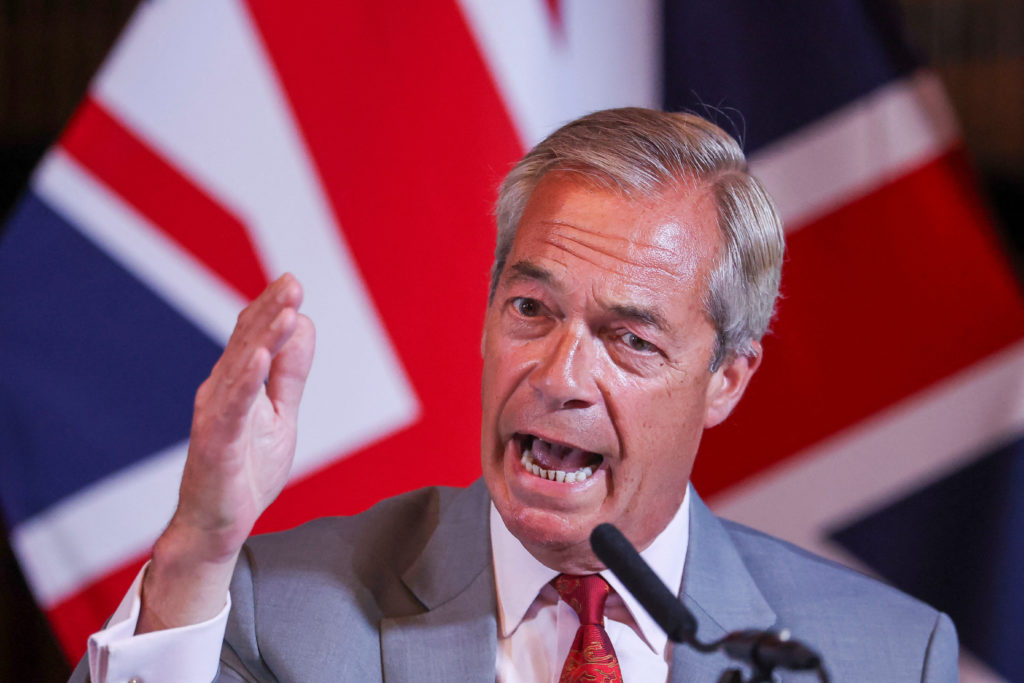
Nigel Farage, leader of Reform UK, has regained his seat in Parliament following a by-election in Clacton-on-Sea. The result was announced on Friday, with Farage securing 63% of the vote in an unusual contest that saw major political parties boycott the race. The election was triggered by Farage’s own resignation in July, which occurred amid an investigation into whether he failed to report a £5 million gift from an overseas crypto billionaire.
The by-election featured a field of 34 candidates, many of whom were considered fringe or protest figures. Second place went to Count Binface, a comic known for wearing trash cans as costumes, who received approximately 27% of the vote. The lack of mainstream competition led critics to describe the election as a farce, with major parties arguing that it did not reflect genuine democratic choice. Despite this, Farage hailed the result as an "overwhelming win" and a rejection of the political establishment.
Farage’s victory sends him back to the House of Commons, but his position remains precarious. A parliamentary watchdog investigation into his financial conduct, which was suspended when he stepped down, has resumed hours after the results were announced. This means Farage could still be forced out of Parliament if the inquiry finds wrongdoing, potentially triggering another election. The situation highlights the complex interplay between electoral success and regulatory scrutiny in British politics.
Local reactions to the result were mixed. Some residents expressed support for Farage, viewing his win as a validation of his popularity in the constituency. Zak Apsey, a local resident, said the investigation was "not a big deal" and that the result proved voters wanted Farage. Others, however, questioned the necessity of the by-election and criticized Farage’s absence from the count. Linda Robinson noted that Farage rarely visits Clacton and doubted he had achieved much for the town.
The election took place on one of the hottest days of the year, with turnout reaching 44%. This was lower than the 58% turnout in the 2024 general election, when Farage received 21,225 votes. In the by-election, he secured 22,239 votes, indicating increased support despite the reduced participation. The boycott by major parties meant that voters had limited options, leading many to cast protest votes or stay home.
Farage’s political strategy has long focused on challenging the traditional two-party system in the UK. By positioning himself to the right of the Conservative Party, he has drawn significant national attention and forced both Labour and the Conservatives to address issues such as immigration and cultural grievances. Reform UK currently holds eight seats in the House of Commons, but its influence extends beyond its parliamentary presence.
The outcome of the Clacton by-election may have broader implications for UK politics. With Andy Burnham recently installed as prime minister following a Labour leadership shakeup, the political landscape is shifting. Farage’s win could embolden Reform UK to push further into mainstream discourse, potentially affecting future elections and policy debates. However, the ongoing investigation casts a shadow over his victory, reminding observers that electoral success does not guarantee immunity from scrutiny.
Count Binface’s strong showing as a protest candidate underscores the dissatisfaction some voters feel with traditional politics. His performance suggests that a segment of the electorate is willing to support unconventional figures as a form of political expression. This trend may continue to influence future elections, particularly in constituencies where major parties are perceived as out of touch.
Farage’s return to Parliament is likely to be short-lived if the investigation leads to sanctions. The possibility of another by-election adds uncertainty to the political situation in Clacton and beyond. For now, Farage has demonstrated his ability to mobilize support even in unconventional circumstances, reinforcing his status as a significant figure in British politics.
The Clacton by-election serves as a case study in modern political dynamics, where traditional norms are challenged by new actors and methods. Farage’s victory, while decisive, is tempered by the context of the boycott and the ongoing investigation. As the UK navigates these changes, the lessons from Clacton may inform future electoral strategies and public expectations.
Sources behind this briefing
Go to the original reporting
- PBS NewsHour↗Reform UK's Nigel Farage beats a slate of fringe candidates in election boycotted by major parties
- BBC News↗What do people in Clacton think of Farage's by-election win?
- The Independent↗Farage may have won the battle for Clacton, but he’s losing the country
- The Guardian↗Nigel Farage wins Clacton byelection in contest boycotted by other main parties

