The short version
- Nigel Farage is contesting the Clacton by-election against fringe and novelty candidates, including Count Binface, after main parties declined to field contenders.
- Farage resigned as MP in July, citing a scandal over gifts, but critics labeled the move a stunt to avoid scrutiny from parliamentary standards watchdogs.
- Polling suggests Farage is on course to win, though he faces a formal investigation regardless of the outcome.
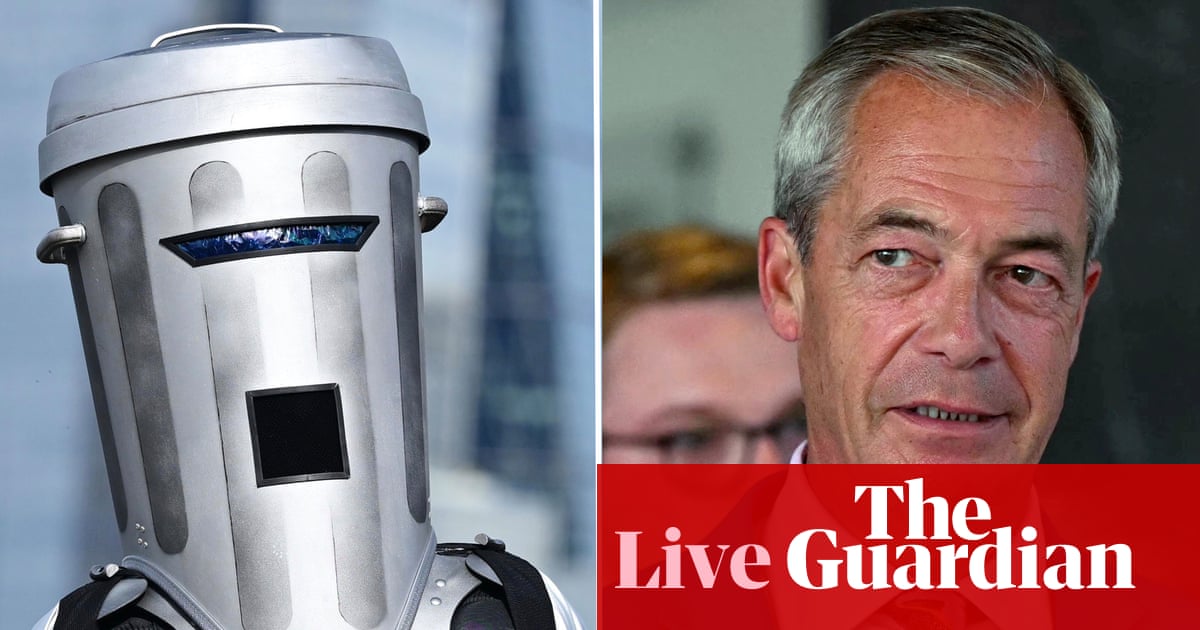
Nigel Farage, leader of Reform UK, is contesting the Clacton by-election in Essex against a field of fringe and novelty candidates, including Count Binface. The election took place after all major political parties decided not to field candidates, leaving Farage to compete primarily against non-traditional contenders. Thousands of residents voted on Thursday in what has been described as a 'vanity parade' by some observers.
Farage resigned as the Member of Parliament for Clacton at the start of July, forcing the by-election. He claimed the resignation was an attempt to address complaints regarding a deepening scandal about gifts he received. However, leaders from across the political spectrum criticized the move, branding it a 'desperate stunt' designed to avoid scrutiny. A formal investigation by the parliamentary standards watchdog was opened in May and is expected to proceed regardless of the election outcome.
Polling data suggests that Farage is on course to defeat his main rival, Count Binface, a novelty candidate known for appearing as a banana-suited figure. The absence of major party candidates has created an unusual political landscape in Clacton, where traditional partisan competition is replaced by a contest between Farage and a slew of fringe contenders. This dynamic highlights the unique nature of the by-election.
The Guardian reported that Farage stated he would not attend the count, further emphasizing the symbolic nature of his participation. The by-election serves as a test of Farage’s personal popularity rather than a broader referendum on party politics. His decision to run despite the lack of serious opposition underscores his confidence in his support base within the constituency.
Al Jazeera analyzed the potential implications of the by-election, questioning whether winning the town would translate into national political success for Farage. The article noted that while Farage may secure victory in Clacton, the broader challenge remains gaining traction on a national scale. The by-election does not provide a clear mandate for Reform UK’s policies or leadership.
The New York Times provided context on the unusual matchup, highlighting the contrast between Farage’s established political profile and the novelty status of his opponents. The presence of Count Binface adds a layer of spectacle to the election, drawing media attention beyond typical by-election coverage. This dynamic reflects the growing influence of personality-driven politics in the UK.
Critics argue that Farage’s resignation and subsequent candidacy were strategic moves to reset the narrative around the gifts scandal. By forcing a by-election, he may have aimed to demonstrate continued public support while distancing himself from the controversy. However, the parliamentary standards investigation remains an unresolved issue that could impact his political future regardless of the election result.
The boycott by major parties further isolates Farage in this contest, limiting the scope for traditional political debate. Without opponents from established parties, the campaign has focused largely on Farage’s personal brand and the novelty aspects of his rivals. This lack of substantive policy discussion may limit the by-election’s significance as a political indicator.
As the votes are counted, attention will turn to whether Farage’s victory reinforces his position within Reform UK or exposes vulnerabilities in his leadership. The outcome will also inform perceptions of public sentiment toward his handling of the gifts scandal. Regardless of the result, the formal investigation by parliamentary standards officials continues to loom over his political career.
The Clacton by-election serves as a unique case study in modern British politics, illustrating the intersection of personal ambition, media spectacle, and institutional scrutiny. Farage’s participation highlights the challenges faced by populist leaders in navigating both public opinion and regulatory frameworks. The results will be closely watched for insights into the evolving political landscape in the UK.
Sources behind this briefing
Go to the original reporting
- The Guardian World↗Nigel Farage says he won’t attend count in Clacton byelection against Count Binface - UK politics live
- The New York Times↗What to Know About Today’s U.K. Special Election: Farage vs. Binface
- Al Jazeera↗Clacton by-election: Farage may win the town, but can he win the country?
- The Guardian↗Polls close in Clacton byelection where Nigel Farage faces slew of fringe candidates

