The short version
- The National Football League has officially terminated the Pro Bowl game, ending a tradition that spanned most years since 1951.
- Player feedback regarding physical safety and the desire to avoid competitive exertion after the playoffs drove the decision.
- Selected athletes will still receive Pro Bowl honors through non-competitive events in Los Angeles following the current season.
The National Football League has formally concluded its annual all-star exhibition, marking the end of the Pro Bowl game as a competitive sporting event. The announcement was made during the league’s owners’ meeting in Atlanta, signaling a definitive break from a postseason tradition that had persisted in various forms for over seven decades. While the contest was suspended once in 2021 due to global health concerns, this latest move represents a permanent structural change rather than a temporary pause. The decision reflects a broader reassessment of how the league values player welfare and fan engagement in the post-season landscape.
League executives emphasized that the primary motivation behind the cancellation stems from direct feedback from players regarding their physical condition after the championship games. Troy Vincent, the executive vice president of football operations, noted that athletes expressed a clear preference against engaging in competitive play immediately following the intense physical demands of the playoffs. The concern is that replicating the high-impact nature of regular-season or playoff football in an exhibition setting does not align with player interests or safety standards. This perspective suggests that the previous format failed to provide a suitable environment for athletes who are already fatigued from the competitive season.
Peter O’Reilly, another executive vice president, framed the change as a necessary evolution rather than a retreat. He stated that it is acceptable for the NFL to be the first major sports league to abandon a traditional all-star game if the format no longer serves its intended purpose. The goal is to restore the prestige of being selected as a Pro Bowler by removing the element of competitive sport from the equation. By shifting the focus entirely to recognition, the league aims to enhance the significance of the honor for players, their families, and their respective teams. This approach seeks to decouple the accolade from the physical risks associated with playing football.
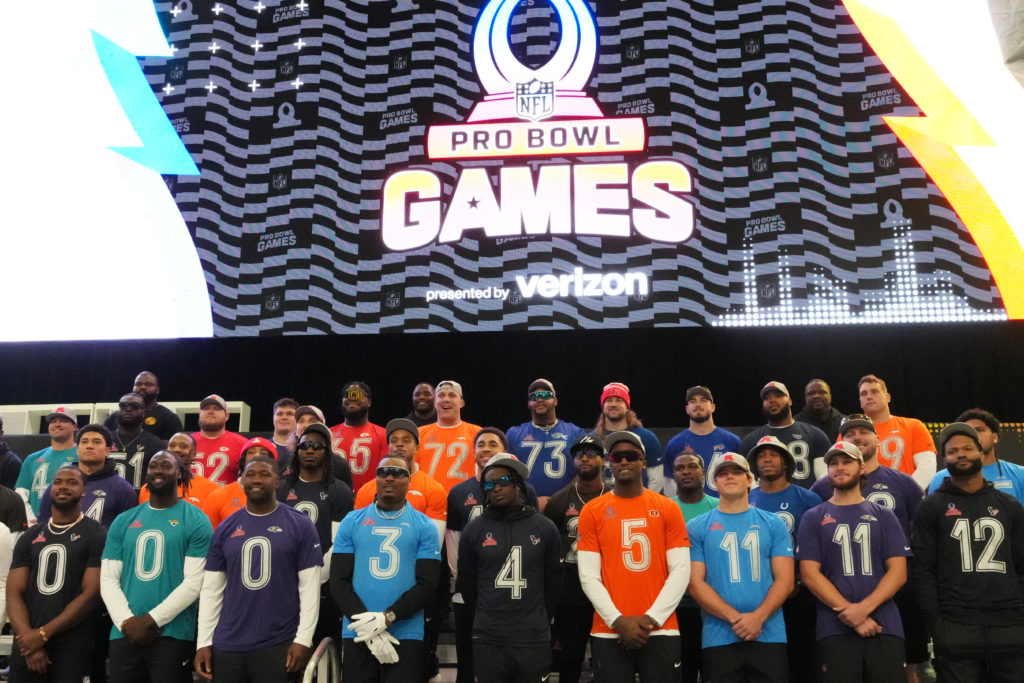
Despite the elimination of the game, the designation of Pro Bowlers will continue. Eighty-eight players are expected to be named as honorees after the current season concludes. These selections will be celebrated through a series of events in Los Angeles, which will include flag football competitions rather than tackle football matches. This format change aligns with previous adjustments made in 2023, when the league experimented with flag football to reduce physical contact. The inclusion of flag football events indicates an attempt to maintain fan interest and player participation while adhering to safety concerns raised by the athletes themselves.
The Pro Bowl has experienced a gradual decline in popularity over recent years, prompting this final restructuring. Once a consistent fixture in Honolulu, the event had been relocated to various cities in an effort to revitalize its appeal. The shift from tackle to flag football was an earlier attempt to address criticisms regarding the lack of intensity and safety issues inherent in the traditional format. However, these adjustments were insufficient to resolve the fundamental disconnect between player desires and the expectations of a competitive exhibition. The decision to end the game entirely acknowledges that previous modifications did not fully satisfy the need for a safer, more meaningful post-season activity.
The implications of this change extend beyond the immediate removal of a single event. It signals a broader trend in professional sports toward prioritizing athlete well-being over traditional spectacles. By listening to player concerns about physical exertion after the playoffs, the NFL is attempting to preserve the integrity of its championship games while still providing a platform for recognizing excellence. This move may influence how other leagues approach their all-star events, potentially encouraging similar shifts away from competitive exhibitions that pose unnecessary health risks to participants.
For fans, the absence of the Pro Bowl game means the end of a familiar post-season ritual. However, the league intends to replace this with a more dignified celebration of individual achievement. The focus will be on honoring the best players in the sport without subjecting them to further physical strain. This transition aims to elevate the status of the Pro Bowl selection, making it a pure mark of distinction rather than a precursor to another game. The success of this new model will depend on whether fans and players alike perceive the non-competitive events as a worthy successor to the traditional contest.
The final details of the Los Angeles events are still being developed, but the core principle remains clear: recognition without risk. The league’s leadership believes that this shift will enhance the value of the Pro Bowl title for those who earn it. By removing the competitive element, the NFL hopes to create a more respectful and meaningful conclusion to the season for its top performers. This decision underscores a growing awareness within the sport that player health and satisfaction must take precedence over maintaining outdated traditions.
Sources behind this briefing
Go to the original reporting
- PBS NewsHour↗NFL ends Pro Bowl game, but players will still be honored as Pro Bowlers

