The short version
- Governor Gavin Newsom is urging lawmakers to pass legislation that would limit utility liability for wildfire damages in exchange for faster payouts to victims.
- Critics, including fire survivor advocates and insurance industry representatives, argue the proposal unfairly shifts costs away from utilities responsible for igniting blazes.
- The legislative push comes as the state's existing wildfire relief fund faces depletion and Southern California Edison confronts new liability claims.
As Governor Gavin Newsom prepares to conclude his tenure in Sacramento, he is returning to one of the most contentious policy battles of his administration: determining who bears the financial burden when utility equipment ignites catastrophic wildfires. The issue has framed both the beginning and end of his time in office, starting with the devastating 2018 blaze that killed 85 people and destroyed thousands of structures shortly after he took power. That disaster forced Pacific Gas & Electric into bankruptcy due to massive liability claims, prompting Newsom to sign legislation creating a $21 billion relief fund financed by utility shareholders and ratepayers.
Now, with the current legislative session winding down, the governor is advocating for a new framework designed to shield electric and gas companies from further financial instability. His proposal aims to cap the amounts utilities must pay to victims and legal representatives while accelerating compensation timelines for those affected by fires. Newsom argues that the existing system is broken, leaving survivors waiting indefinitely for restitution while utilities face existential threats that drive up electricity costs for all Californians.
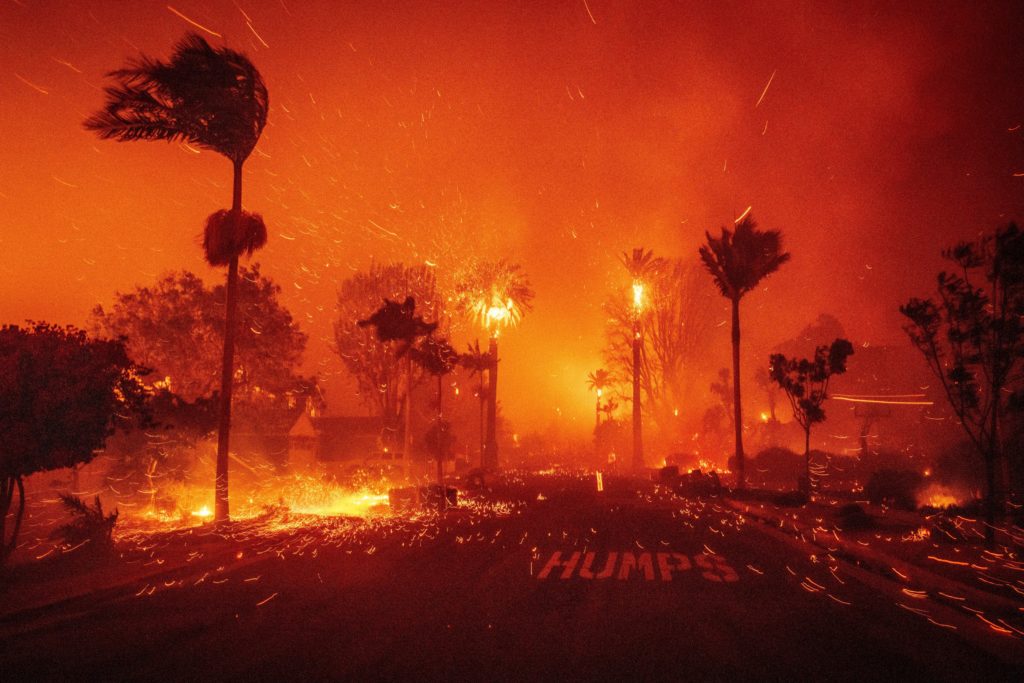
The urgency of this push is underscored by recent events involving Southern California Edison. Investigators recently determined that transmission towers owned by the utility sparked a major fire in 2025 outside Los Angeles, which resulted in 19 deaths and ranked as the state’s second-most destructive blaze. With six of California’s ten most damaging wildfires attributed to utility equipment, the governor contends that immediate action is necessary before the current relief fund runs dry. He has warned that maintaining the status quo fails victims who are consistently placed last in line for recovery funds.
However, the proposed reforms have encountered significant resistance from multiple stakeholders. Fire survivor organizations argue that the plan effectively transfers liability from for-profit utility monopolies to the individuals and communities they have harmed. Joy Chen, executive director of Every Fire Survivor's Network, characterized the proposal as a massive shift in responsibility that protects corporations at the expense of those who lost homes and loved ones. Survivors fear that limiting payouts will leave them without adequate resources to rebuild their lives.
Insurance companies are also voicing strong opposition to the governor’s strategy. The Personal Insurance Federation of California warns that if utilities are shielded from full liability, property insurers will be forced to absorb more costs, leading to higher premiums for policyholders across the state. Rex Frazier, the federation’s president, emphasized that accountability should remain with the entities whose equipment caused the fires, drawing a parallel to basic principles of responsibility taught in families.
Under current California law, utilities are required to pay damages for fires started by their infrastructure regardless of whether negligence is proven in court. Homeowners’ insurers can seek reimbursement from these utilities after paying out claims. Newsom’s plan would alter this dynamic by requiring utility executives to forfeit bonuses if a fire causes over $1 billion in damage and imposing fines on shareholders for violating safety protocols. Despite these penalties, the core mechanism shifts more financial weight onto the insurance sector and victims.
Legislative leaders have acknowledged the need to address the crisis but have not yet detailed their preferred solutions. The deadline for passing a comprehensive plan is August 31. If lawmakers fail to act by then, Newsom retains the authority to convene a special session to force a vote. This final legislative battle could significantly influence his political legacy as he considers a potential presidential run in 2028.
The debate highlights the complex intersection of climate change, infrastructure safety, and economic policy. As wildfires become more frequent and intense, the cost of prevention and recovery continues to rise, contributing to some of the highest electricity rates in the nation. Utilities have already increased charges to fund safety measures and disaster recovery efforts. The outcome of this legislative struggle will determine whether the financial risk remains concentrated within utility companies or is distributed more broadly across insurers, shareholders, and victims.
Sources behind this briefing
Go to the original reporting
- PBS NewsHour↗Newsom returns to a defining California fight: Who pays for wildfire damage?

